Lecture Theatre AV Solutions: Designing Spaces That Support Modern Learning
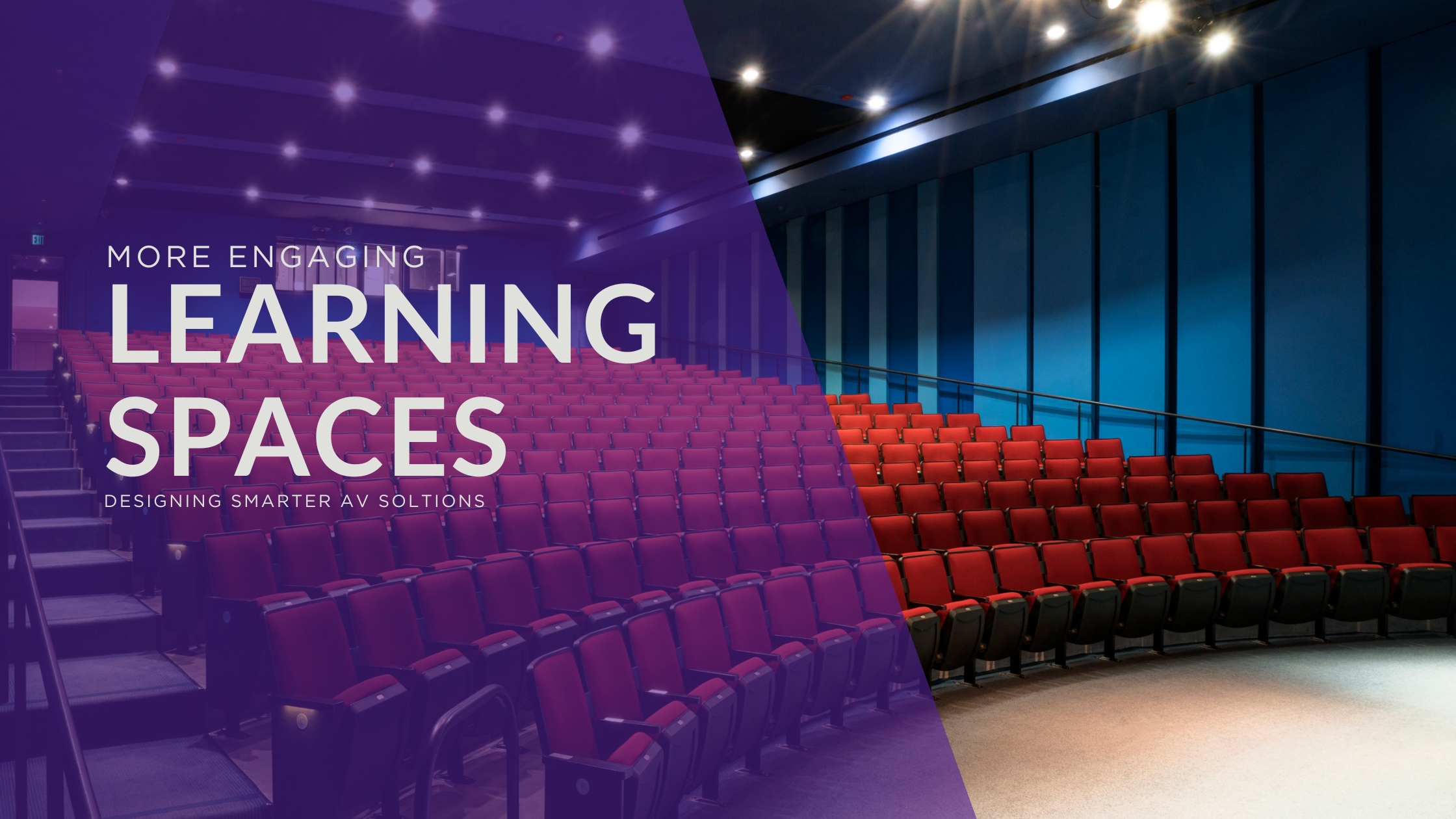
Modern lecture theatre AV is no longer defined by single projector and tiered seating. They are dynamic learning environments where educators can present engaging content to in-person students while seamlessly connecting with remote participants. At the centre of this evolution is AV technology: systems that support clear communication, hybrid participation and flexible, scalable teaching.
When designed and installed well, lecture theatre AV allows academics to focus on delivering content—not troubleshooting equipment. Research from leading AV manufacturers highlights this impact, noting that high-brightness displays improve comprehension and that streaming content to personal devices increases engagement. Multimedia presentations that combine physical objects, digital content and annotated diagrams further support understanding.
Why Purpose-Built Lecture Theatre AV Matters
Students learn best when they can see clearly, hear clearly and interact easily, regardless of where they sit. Purpose-built lecture theatre AV provides:
Crystal-Clear Audio and Visuals
High-fidelity speakers, distributed microphones and appropriately sized displays ensure every question, comment and piece of visual content is intelligible. Studies also show that streaming content to personal devices helps students follow along more effectively.
Hybrid Learning AV
Integrated cameras and conferencing platforms such as
Zoom or Microsoft Teams allow remote learners to participate live or watch recordings later.
Engaging, Interactive Teaching Tools
Interactive displays, annotation tools, polling software and audience-response systems help maintain student attention and support active learning.
Scalability & Multi-Use Flexibility
A well-designed lecture theatre can effortlessly support academic lectures, corporate presentations, community events and hybrid sessions.
Accessibility & Inclusivity
Assistive listening systems, clear audio reinforcement, accessible display settings and well-planned seating layouts ensure equitable participation for all learners.
Core Components of a Modern Lecture Theatre AV
Creating an effective lecture theatre involves more than selecting a projector. Each component must work together seamlessly.
Displays & Projection
Large LED walls or high-brightness projectors ensure visibility from every seat. Correct sizing and placement informed by sightline calculations are essential.
Interactive flat panels further support active learning and digital annotation.
Audio Systems
Line-array speakers and distributed ceiling speakers provide even coverage. Wireless microphones allow instructors and students to speak naturally, while DSPs remove echo and feedback to maintain clarity.
Conferencing & Collaboration Tools
Platforms like Zoom integrate hybrid teaching with ease. Auto-tracking cameras keep lecturers in view, and touch-screen control panels allow users to manage inputs, audio and recordings confidently.
Recording & Streaming
Lecture-capture systems and high-quality cameras enable on-demand access—supporting revision, accessibility and flexible attendance.
Connectivity & Infrastructure
Robust networking, wireless presentation tools and cleanly managed cabling ensure reliable performance and future scalability.
Designing for Learning, Not Just Technology
Technology is only effective when paired with thoughtful space design.
Sightlines
Tiered or sloped seating improves visibility, while correct display placement avoids glare.
Ferco Seating notes that flexible seating improves engagement and accommodates collaborative teaching styles.
Acoustics
Sound-absorbing panels, diffusers and microphone/speaker selection suited to the room prevent echo and listening fatigue.
Lighting
Layered lighting, dimmable controls and strategic screen placement ensure students can take notes without obstructing readability.
Accessibility
Assistive listening systems, clear pathways and visual accessibility settings support all learners.
Future-Proofing
Include spare conduits, additional rack space and modular hardware to accommodate technology upgrades over time.
Common Mistakes to Avoid
Even well-funded AV projects fall short when these fundamentals are overlooked:
- Ignoring acoustics and sightlines, resulting in poor intelligibility and obstructed views.
- Mismatched equipment, such as displays too small for the room or underpowered audio systems.
- Untidy cabling, which impacts reliability and complicates maintenance.
- No scalability plan, leading to premature obsolescence.
- Insufficient training, leaving educators unsure how to use the system.
Industry Insights and Further Reading
For deeper technical perspectives, consider:
-
WolfVision’s lecture hall AV insights – covering high-grade displays, visualisers and device-streaming to improve comprehension and engagement.
-
Ferco Seating’s lecture theatre design research – highlighting the role of tiered seating, ergonomics and flexibility in student success.
These resources provide additional best-practice guidance for designing high-performance learning environments.
Partnering With AV Experts for Success
Choosing the right integration partner is as important as selecting the right equipment. AVPartners delivers complete lecture theatre solutions, including design, installation, automation, training and ongoing support. Their approach prioritises clear communication, hybrid-ready systems and intuitive teaching tools that enhance the educator and student experience.
Ready to transform your lecture theatre?
Explore our Lecture Theatre AV Installation Services or book a consultation today.