
Tag Archive for: conference planning

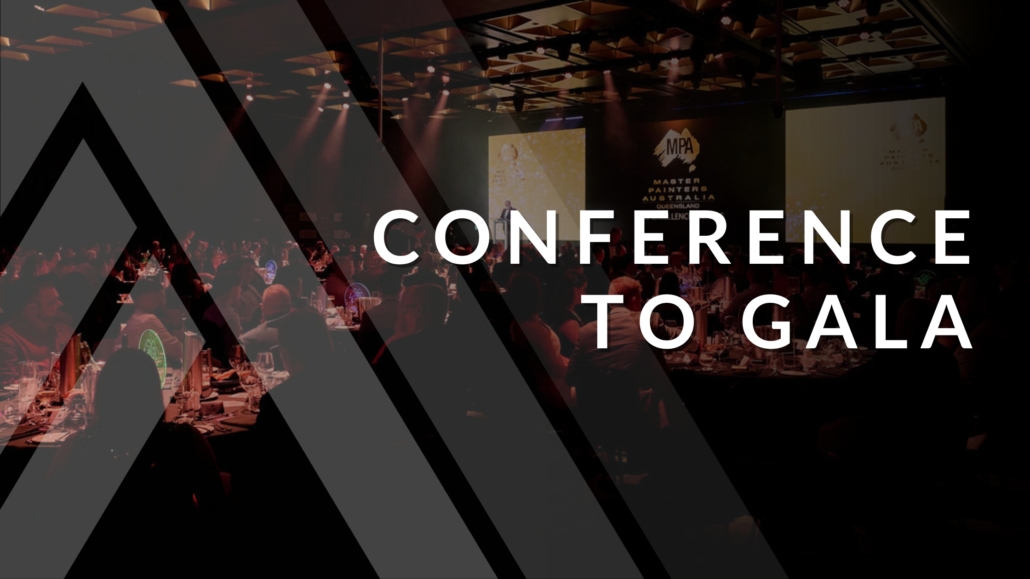
Presenter on stage at during a gala dinner hosted in large ballroom
Day events such as conferences and seminars can be intense. They often run through multiple presentations, workshops and networking sessions, leaving attendees mentally fatigued. To end the day on a high note, more organisers are transforming daytime events into evening celebrations in the same venue. This transition, when executed well, reinvigorates guests and reinforces your event messaging.

Choose a flexible venue and plan the flow

Your venue choice is pivotal. Look for spaces with adjacent rooms or areas that can be quickly repurposed. When transitioning from conference to gala, usher attendees to a pre‑function area for cocktails while the main room is reset. Ensure accessibility for guests with mobility needs and that wayfinding between spaces is clear. An open floor plan with good flow makes it easier for guests to mingle and for staff to swap furniture and décor.

Create a fresh setting with lighting and décor

Transforming a conference room into a gala dinner requires a dramatic shift in ambience. Use a new seating arrangement, round tables with elegant linens instead of straight rows of chairs, to encourage social interaction. Introduce bold centrepieces, floral arrangements and thematic décor to bring energy into the room. Lighting plays a starring role: switch from bright conference lights to softer uplighting, spotlighting and accent lights to set a warm, intimate tone. Colour washes or intelligent moving lights can reinforce your brand colours or event theme.

Colourful uplighting and elegant centrepieces transforming an event space

Refocus the stage and seating

For the evening program, reposition the stage and seating for optimal sightlines. A gala dinner typically features presentations, entertainment and awards; ensure each table has a clear view. Consider the stage height, lectern placement and dance floor location so that all guests feel included. If you need inspiration, our Event Theming, Staging & Styling team can help design floor plans and creative stage décor that reflect your brand and story.

Prioritise sound and visuals

A seamless transition also relies on impeccable audio and visual support. Daytime sessions require microphones, presentation screens and live streaming, while evening events demand crisp sound for speeches and music. Work with an experienced AV provider to tailor the sound mix to both settings. The AV team should also coordinate lighting cues, projection mapping and special effects to make the night unforgettable. Our Event Technology service ensures every segment, from conference presentations to gala entertainment, sounds and looks perfect.

Engage guests through sensory experiences

After a day of listening and learning, guests need stimulation to stay engaged. Use dynamic lighting shows, visual presentations and thematic music to awaken the senses. Multi‑sensory elements, such as interactive photo booths or immersive projections, can refresh attendees and reinforce your event’s narrative. Thoughtful touches like signature cocktails, scent diffusers or tactile décor can further elevate the evening.
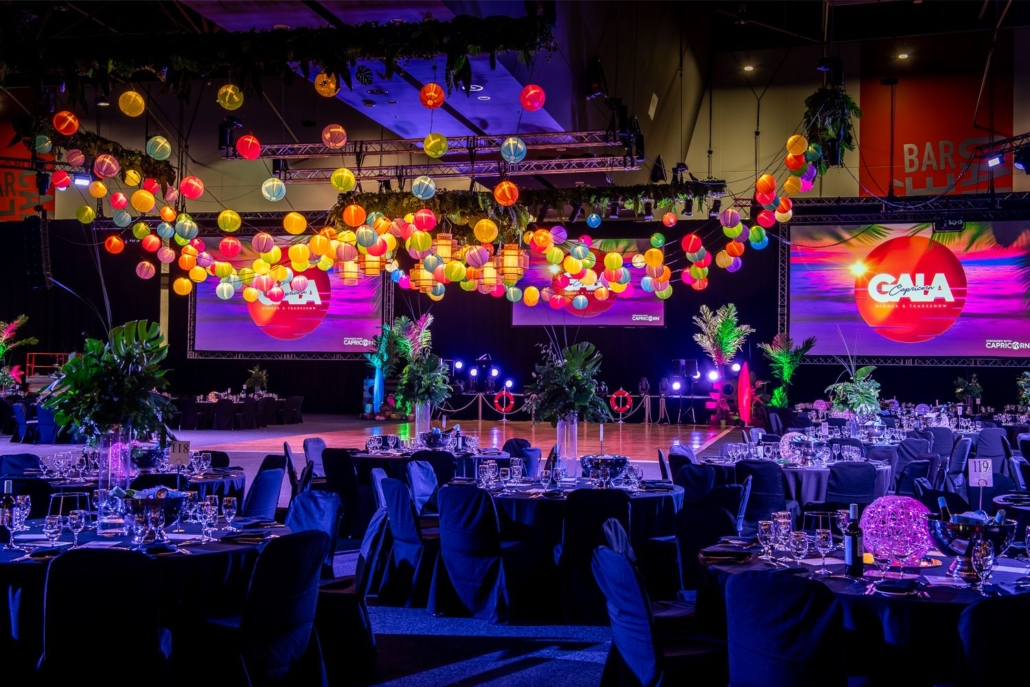
Sensory experience at a gala dinner night

Conclusion

Transitioning from a daytime conference to a night‑time gala is an opportunity to surprise and delight your guests. By selecting the right venue, changing the setting, focusing on sound and visuals, and delivering sensory experiences, you can create a seamless transformation that keeps attendees energised and leaves them talking about your event long after it’s over. For expert Conference and Events team can help you design a day‑to‑night event that truly shines.
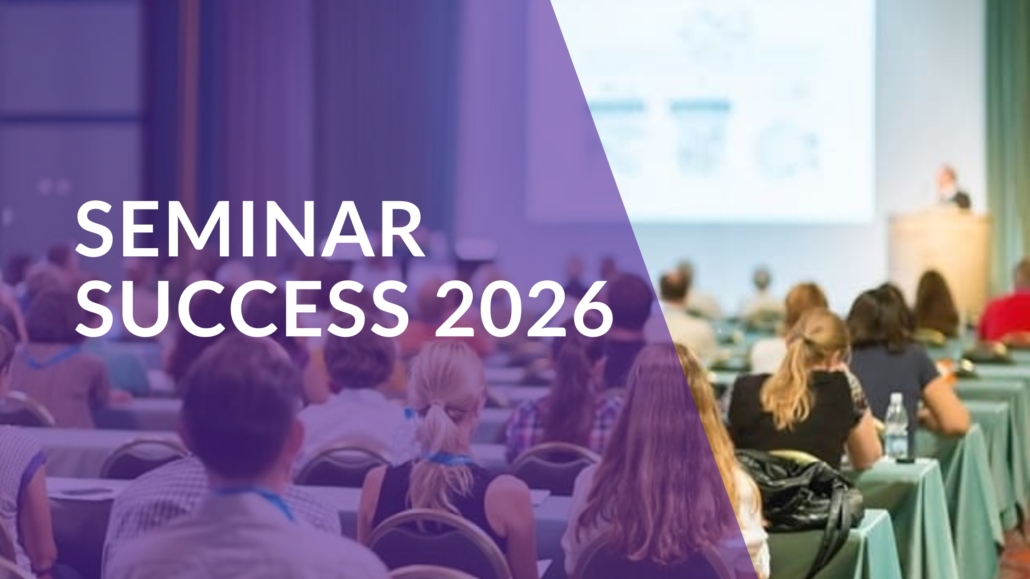
Small group seminar in a hotel meeting room with interactive screen

What Is a Seminar? Definition, Benefits and 2026 Event Trends

Seminars are among the most common types of professional gatherings. Educational in nature, they bring together like‑minded people to learn about a particular subject. A seminar is a more formal event focused on training or information sharing, offered in an academic instruction‑style setting. Unlike informal conferences where opinions and thoughts are shared freely, seminars are shorter in length and structured. They remain an effective way to build brand awareness and establish thought leadership. As the events industry looks toward 2026, seminars continue to evolve, integrating the latest event technology and sustainability practices to meet attendee expectations.

What do seminars involve?

A typical seminar features one or more subject‑matter experts presenting information with the aid of visual slides, demonstrations and interactive equipment. Attendees are not expected to participate heavily; instead they listen, take notes and ask questions at the end. Seminar formats vary widely: business seminars focus on industry insights and networking; personal‑development seminars help individuals learn new skills; academic seminars often involve research presentations; and many large conferences include seminars as breakout sessions.

To support effective delivery, your audiovisual setup should include high‑quality projection or LED screens, staging, lighting, microphones and speakers. An experienced AV provider can design custom slide templates, integrate digital demonstrations and ensure presenters’ messages are conveyed clearly. AVPartners offers comprehensive event technology solutions that combine audio, vision and staging expertise to bring seminars to life.

Where are seminars held?

Most seminars take place in hotel meeting spaces, conference rooms, convention centres or academic institutions. These venues offer the flexibility to configure seating, staging and breakout spaces for different session lengths and group sizes. For clients who prefer smaller settings, seminars can also be delivered in corporate boardrooms or training rooms. AVPartners has installed professional AV in venues nationwide, including dedicated conference centre installations and training room AV installations that provide crisp visuals and pristine audio.

Why seminars still matter in 2026

The events industry is transforming as we move through 2025 and look ahead to 2026. Hybrid events have matured; planners are creating fully integrated experiences where in‑person and online participants feel equally valued. While seminars remain mostly in‑person gatherings, streaming technology and interactive tools now enable remote attendance, live polling and AI‑powered networking. Sustainability is also a top priority: digital materials are replacing printed programs, and venues are chosen for strong environmental credentials.

Other emerging trends influence how seminars are designed. Micro‑events—smaller, more frequent gatherings—allow deeper interactions and help communities stay connected. Event technology is advancing rapidly; facial‑recognition check‑ins, AI chatbots, translation services and holographic displays create seamless, accessible experiences. Wellness‑focused programming and immersive design encourage breaks, movement and mindfulness to keep attendees engaged. These trends show that seminars are not static; they are adapting to meet the needs of modern audiences.

Equipment and technology for modern seminars

Delivering a successful seminar requires more than a lectern and a projector. You need a seamless integration of audio, lighting, visuals and interactive technology. Start with high‑resolution displays or LED walls to ensure slides and videos are clear to all participants. Professional lighting enhances the presenter’s visibility and supports camera recordings or livestreams. Sound design is critical; use quality microphones and speakers to deliver clear speech and capture audience questions. For hybrid seminars, invest in streaming platforms that provide chat, polling and live captioning.

Incorporate features like digital sign‑in, personalised agendas and real‑time feedback. Many 2026 events use AI to recommend sessions and connect attendees with similar interests. Consider using sustainable technologies such as digital handouts and energy‑efficient equipment. AVPartners’ Virtual & Hybrid Event Services integrate broadcast‑grade streaming with in‑room production, ensuring remote participants enjoy the same quality as those on site.

Conclusion: Choosing the right partner

Seminars remain an important tool for building brand awareness, establishing credibility and sharing expertise. They provide structured learning environments with targeted audiences and measurable outcomes. To make your seminar a success in 2026, focus on high‑quality content, interactive technology and sustainable practices. Ensure your AV setup supports both in‑person and remote engagement. AVPartners has the creativity, technology and experience to deliver seminars that captivate audiences and align with modern event trends. To discuss your seminar needs, reach out via our contact page or explore our meeting and conference AV solutions to discover how we can support your next event.