Hybrid and fully virtual events are no longer a temporary fix, they’re a permanent feature of modern event marketing. According to a recent Precedence Research report, the global virtual event platform market is forecast to grow from US $15.99 billion in 2025 to US $17.60 billion in 2026 and reach US $37.87 billion by 2034, a compound annual growth rate of around 10 percent. Event organisers have embraced this shift: nine out of ten see virtual events as here to stay, and nearly three‑quarters of companies treat webcasting as a core marketing tactic With a well‑executed webcast, you’re not just streaming video, you’re amplifying your message, enhancing ROI and extending your brand’s reach far beyond the walls of a single venue.
What is webcasting?
Webcasting is the live streaming of video and audio over the internet to an audience anywhere in the world. Viewers tune in on their own devices to watch keynote presentations, panel discussions or demonstrations in real time, and recordings can be made available on demand after the event. Webcasting forms the backbone of many of our Virtual & Hybrid Event Services from corporate conferences to annual general meetings, providing an accessible way for remote participants to join the conversation.
Why webcasting matters in 2026
Today’s audiences expect content to be accessible on their own terms, and the numbers show just how effective webcasting has become:
-
Bigger attendance and deeper engagement. A 2025 survey found that 83 % of hosts get higher turn‑out online than in person, and 77 % of marketers report better lead generation and brand awareness with virtual events. Because anyone can join from home or the office, you’re not limited by venue capacity or travel budgets.
-
Improved ROI and cost savings. According to 99firms, 81 % of organisers see better return on investment from virtual events than from physical ones, with average savings of around US $42 000 per event and 12 % more revenue per attendee. Fewer travel costs and lower production overheads translate to higher margins, even as you reach more people.
-
Rapid market growth. Verified Market Research predicts the virtual events industry will more than quadruple to US $231 billion by 2032, growing at an annual rate of about 25 %. This trajectory underscores how important professional webcasting has become for organisations of all sizes.
-
Environmental and DEI benefits. A Nature Communications study showed that shifting from in‑person conferences to virtual formats can reduce carbon footprints by 94 % and energy use by 90 %. Hybrid conferences with regional hubs can still cut emissions by two‑thirds while accommodating in‑person attendees. Many organisers also highlight how virtual events support diversity and inclusion: remote access enables participation from people who might otherwise face geographic, financial or accessibility barriers.
Benefits for your organisation
Webcasting isn’t just about replacing a live audience with webcams. When done well, it unlocks unique advantages for your event:
-
Extend your reach. Stream to thousands of participants across different time zones, and provide on‑demand playback so anyone can catch up later. This extended reach makes webcasting ideal for product launches, thought leadership, investor updates and more. It’s also a powerful tool for events like AGMs where shareholders may be unable to travel.
-
Boost marketing impact. Complement your digital campaigns with a webcast to deliver a polished, human connection. The average marketer notes stronger lead generation and higher brand recall when live streams are integrated into the customer journey.
-
Save on venue and travel costs. With no need for large ballrooms or interstate flights, virtual and hybrid events free up budget for content development and professional production. At the same time, viewers appreciate the convenience of watching sessions from home or the office.
-
Gather valuable data. Virtual platforms capture rich analytics – from registration details and viewing duration to questions and poll responses. These insights inform future event planning and sales follow‑ups, helping you tailor content for maximum impact.
-
Support sustainability goals. Reducing travel and onsite resource use cuts your event’s carbon footprint dramatically, aligning with corporate environmental, social and governance (ESG) priorities.
When to use webcasting
Webcasting can enhance virtually any live event. Here are some common use cases along with internal resources to help you plan:
-
Corporate meetings and town halls – Stream executive updates, strategy briefings and staff events across multiple offices. See our Meeting & Conference AV Solutions for space‑specific advice.
-
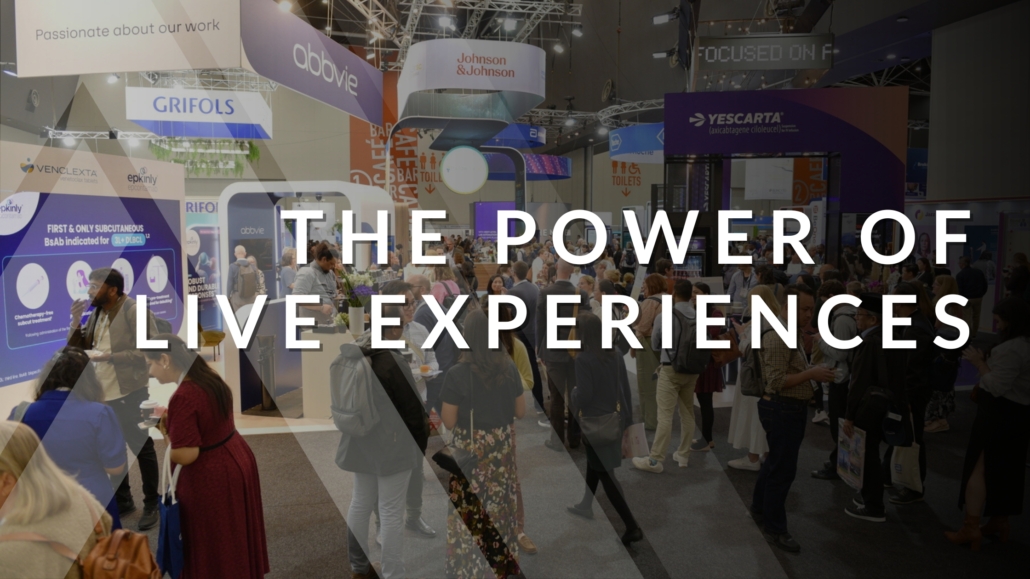
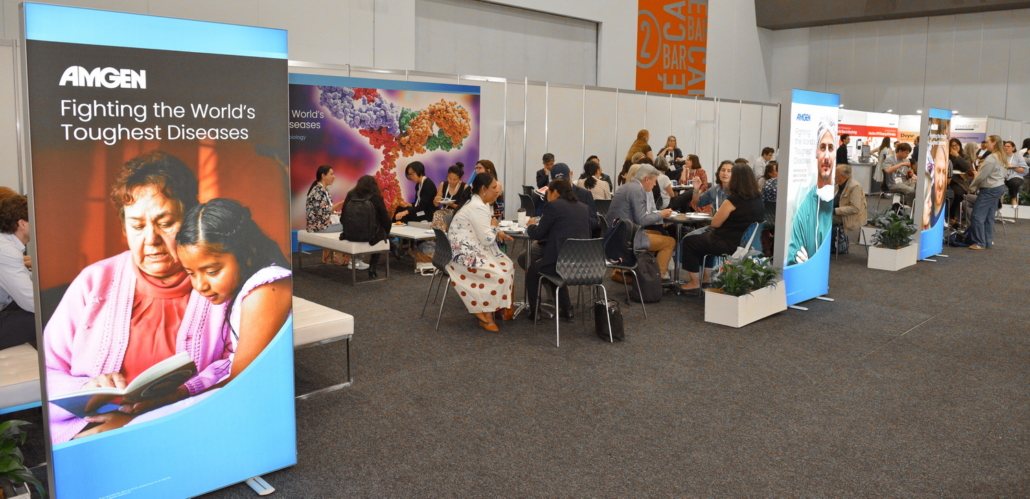
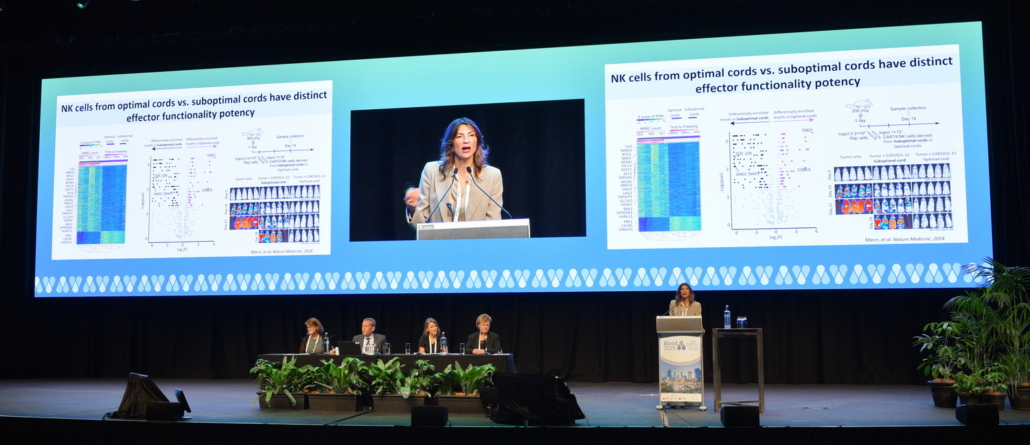
Conferences and exhibitions – Share keynote sessions and panel discussions with remote delegates. Record customer testimonials and interviews on the show floor for later promotion. Our Virtual & Hybrid Event Services can integrate plenary sessions, breakouts and sponsor booths into one platform.
-
Gala dinners & awards nights – A live webcast can amplify the excitement, drive greater exposure and give sponsors more visibility. Combine it with our Awards Night AV Solutions to create a sophisticated on‑site experience.
-
Annual general meetings (AGMs) – Keep shareholders informed and compliant by streaming reports, voting processes and Q&A sessions. Learn more about our AGM AV Solutions.
-
Product launches and demos – Reveal new products via a live webcast, then leverage on‑demand replays for marketing and training. Explore our Product Launch AV Solutions for inspiration.
-
Training and education – Provide professional development or certification courses online. Our experience in Education AV Installation means we understand how to keep remote learners engaged.
Planning a successful webcast
For a professional result, consider these tips:
-
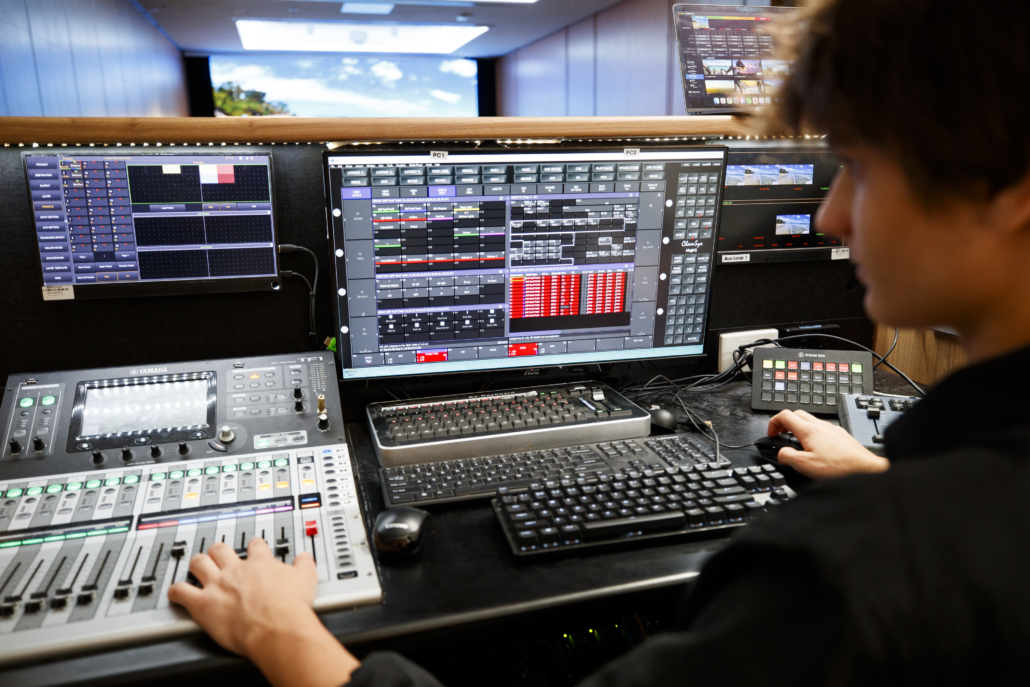
Invest in quality production. Crisp audio, high‑definition video and branded graphics signal professionalism and keep viewers engaged. Our virtual event production team uses broadcast‑grade equipment and reliable streaming platforms to ensure your content looks and sounds its best.
-
Engage your remote audience. Incorporate live polls, Q&A sessions, chat moderators and social media hashtags to foster interaction. Audience engagement features are proven to improve knowledge retention and enjoyment.
-
Plan for hybrid integration. If you’re combining in‑person and remote elements, ensure everyone can see, hear and interact equally. Use multi‑camera setups, interactive screens and dedicated technical support to bridge the gap between the room and the webcast.
-
Prioritise accessibility. Offer live captioning and sign language interpretation to accommodate diverse audiences. Consider providing transcripts and on‑demand videos for those who cannot attend live.
-
Measure and adapt. Review analytics to see how long people watched, which segments sparked questions and which calls to action performed best. Use this information to refine future events and marketing campaigns.
Start streaming with AVPartners
Whether you’re hosting a national conference, launching a product or engaging shareholders, a professional webcast can elevate your message and deliver tangible business results. AVPartners’ Virtual & Hybrid Event Services combine high‑end production, interactive platforms and experienced technicians to ensure your broadcast runs smoothly from start to finish. Talk to our team about integrating live streaming into your next event or explore our Live Streaming & Hybrid Event Services in Sydney to see how we can help you reach audiences anywhere.