

Tag Archive for: event timeline

Celebrating achievement is one of the most memorable things an organisation can do. Award ceremonies honour hard‑working teams and individuals while boosting morale, elevating brand awareness and creating networking opportunities. Planning these nights takes time, and the timeline varies depending on the scale of your event. This guide outlines a clear planning schedule and budgeting advice for award ceremonies in 2026, drawing on research from event management experts.

Start with a vision: nine to twelve months out

Great award ceremonies begin with clear objectives and a team that is aligned on the event’s purpose. Identify whether you’re celebrating employees, industry leaders or community contributions, and set key success metrics. According to event planning guides, organisers should start preparations at least nine to twelve months before the ceremony. Establishing a committee at this stage allows you to map the scope, decide on award categories and confirm your budget and timeline. Consider whether you’ll host a black‑tie gala or a more casual luncheon; this decision will influence your budget and venue options.

Budgeting for Australian audiences

Setting a budget early helps you determine what’s feasible and informs ticket pricing and sponsorship packages. In 2026, expect catering costs for corporate events to range from about AUD 75 to 105 per person for standard meals and from around AUD 190 to 270 per person for formal dinners. Buffet meals may be more economical, falling between approximately AUD 40 and 98 per guest. Build in a 10–15 per cent contingency fund for unexpected expenses and prioritise spending on items that deliver the most value, such as venue quality, audiovisual production and guest experience.

Six months out: choose date, venue and application process

With your budget and purpose defined, select an appropriate date and venue about six months before the event. Visit potential venues in person, check for good lighting, sound quality and accessibility, and avoid clashes with public holidays or major industry events. At this stage, determine whether you will stream the ceremony for remote guests; robust internet connections and professional streaming support are essential for hybrid events. AVPartners’ Live Streaming & Hybrid Event Services provide broadcast‑grade streaming, interactive features and reliable connectivity for nationwide audiences.

Next, design your award categories and open nominations. For corporate or industry awards, create a downloadable form that outlines eligibility criteria, submission requirements and deadlines. Share this via your website and social channels, and allow at least three months to receive and review submissions so judges have sufficient time to deliberate.

Guests enjoying dinner during an awards night in a decorated ballroom

Four months out: assemble your judging panel

A credible judging panel lends legitimacy to your ceremony and encourages quality submissions. Invite respected industry leaders, past winners or media representatives. Promote the judges’ involvement to build anticipation and attract applicants. Confirm their availability for the review period and ensure they understand the scoring criteria. Finalise your event’s theme and begin working with stylists to align décor, staging and branding elements. AVPartners’ Theming, Staging & Styling team can help you develop creative concepts and produce custom stage designs that reflect your vision.

Three months out: lock in production and catering

By the three‑month mark, contract your audiovisual partner and catering supplier. Determine whether you need a sit‑down dinner or a stand‑up networking format; this choice will shape menu selections and the flow of the program. Clarify audiovisual requirements such as microphones, screens and lighting—award ceremonies often require multiple cameras and live feeds to spotlight winners. Choose an engaging MC and decide how speeches will be delivered; consider limiting speeches to three minutes to maintain momentum.

Two months out: close nominations and invite VIPs

Two months before the ceremony, close your application window and provide judges with all submissions. Decide whether winners will be informed in advance or kept secret until the night. At this point, extend invitations to high‑profile guests and sponsors. Including industry leaders, council representatives and investors adds prestige and networking opportunities. Begin drafting your event program, including running order, entertainment segments and award intervals. Ensure presenters and performers have access to the venue for rehearsals. Keep refining your theme and décor, focusing on environmentally friendly touches such as recycled trophies or plant‑based menus.

One month out: finalise logistics and runsheet

Four weeks prior, confirm the final guest list, catering numbers and any dietary requirements. Place orders for decorations, trophies, signage and staff uniforms. Work with your AV provider to create a detailed runsheet—a minute‑by‑minute schedule of the ceremony that outlines awards, speeches, performances and intermissions. Share this document with all suppliers and staff to keep everyone aligned and allow time for questions and revisions. Remember that this schedule may evolve in the last weeks; update it as needed.

Awards ceremony winner gives an acceptance speech

Two weeks out: build excitement and test technology

In the fortnight leading up to the ceremony, launch a final marketing push. Announce shortlists, highlight your MC and judges, and showcase sponsors to build excitement. Use email newsletters, social media campaigns and press releases to encourage last‑minute registrations. Provide clear instructions about arrival times, dress code and parking to attendees.

On the day: deliver a memorable experience

On the day of the ceremony, arrive early to oversee setup and brief staff. Conduct a full technical rehearsal with your AV team to test microphones, cameras, lighting and streaming platforms. Ensure backup equipment is ready and that speakers and performers are comfortable with the stage layout. Follow your runsheet carefully but remain flexible for unforeseen changes. Provide clear signage and registration to help guests navigate the venue. Keep speeches concise and pace award presentations with entertainment or videos to maintain energy. After the ceremony, host a reception or networking session so attendees can celebrate and connect. Capture photos and videos of key moments and share them promptly on social media and your website. Collect feedback from guests, sponsors and team members to improve future events.

Conclusion: plan early, budget wisely and partner with experts

Award ceremonies celebrate achievement and inspire others to aim higher. Successful ceremonies are the result of months of careful planning, from defining your purpose and budget to selecting judges, securing venues and coordinating technical production. Start your planning at least nine months out, allocate resources thoughtfully and embrace technology to enhance both in‑person and virtual experiences. For creative multimedia content, consider AVPartners’ Multimedia Production services; for immersive theming and staging, explore our Theming, Staging & Styling expertise; and for hybrid events, leverage our Live Streaming and Hybrid Event Services. With a clear timeline, realistic budget and professional support, your 2026 awards night will be a memorable celebration of success.
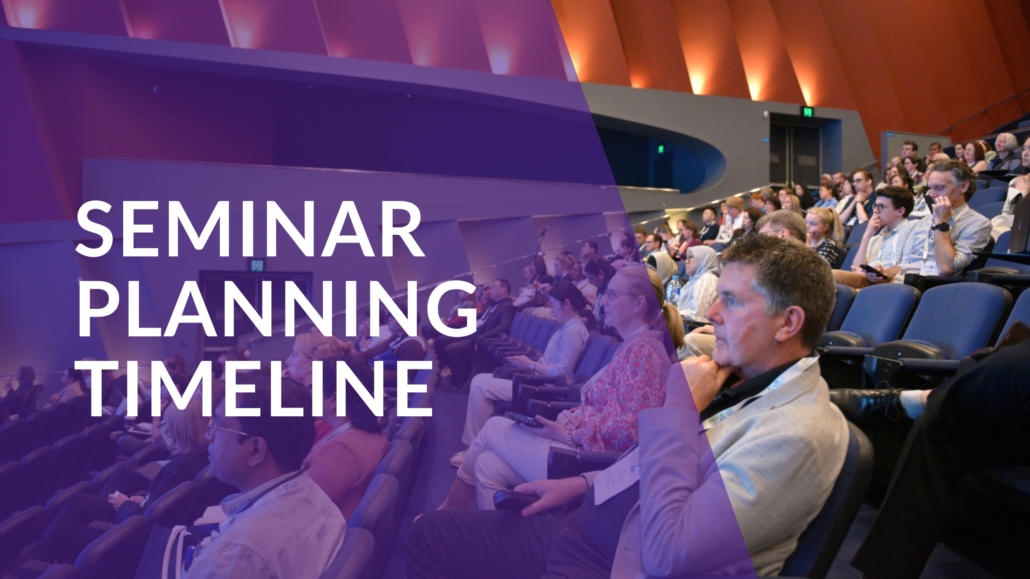
Hybrid seminar with in‑person attendees and virtual participants.
Planning a seminar requires more than booking a room and inviting a speaker. A structured timeline helps you lock in venues, talent and technology while giving your team enough time to market the event and create an engaging experience. The length of the planning cycle depends on the scale of your seminar. For large corporate events you may need nine to twelve months of lead time, while smaller pop‑ups can be organised in six to eight weeks. Regardless of size, working backward from your target date ensures you cover all key milestones.

Below is a recommended timeline for seminars in 2026. It covers the period from six months out to the day before the event. While every seminar is unique, these stages provide a solid framework to help you deliver a polished, professional event.

Six months prior: establish goals and secure the basics

Start by assembling your planning team, setting goals and KPIs, and defining your audience. Decide why you are hosting the seminar and what attendees should take away from it. Next, secure a venue that meets your capacity and technical needs. Early venue selection ensures you have the space you need and can negotiate favorable rates. Set a provisional budget and allocate funds across categories such as venue hire, audiovisual production, catering and marketing. Begin researching and contacting potential speakers or subject‑matter experts.

This is also the time to investigate hybrid or virtual options. If you plan to stream part of your seminar, confirm that the venue has robust internet and identify a virtual and hybrid event service provider to supply streaming technology. Setting these foundations early reduces the risk of last‑minute surprises.

Three months out: confirm speakers and vendors

Three months before your seminar, finalise key agreements with your venue, production partners and vendors. Confirm your speakers, align on topics and secure all technical requirements. Send save‑the‑date notifications to prospective attendees. Finalise your seminar’s creative direction, including signage, branding and décor. Secure permits and insurance if necessary and develop your event marketing calendar.

Decide on your seating style, whether interactive roundtables or classroom‑style row and coordinate with the venue on setup and pack‑down requirements. Ask your speakers if they need handheld or lapel microphones, how many screens they require and whether they prefer physical or digital slides. This is also a good time to launch your event website or registration page. If you need help with room layouts or audiovisual design, explore AVPartners’ Event and Conference Solutions, which cover audio, vision, staging and lighting for seminars of any size.

One to two months out: fine‑tune details and promote

With around eight weeks to go, send formal invitations and open registration. Confirm catering arrangements and accommodate dietary requirements. Finalise your run of show and production schedule, and confirm equipment needs with vendors. Schedule a walk‑through of the venue with key staff, including your AV team, to address any last‑minute concerns. Order printed materials such as name badges and signage.

One month before the seminar, confirm RSVPs and seat assignments. Hold internal logistics meetings, review scripts, cue sheets and the agenda, and finalise staff briefings. Assemble onsite kits with registration supplies and emergency items. Double‑check all vendor details, arrival times and load‑in plans. As you finalise your marketing, highlight keynote speakers or special sessions on social media.

Two weeks to one week out: confirm and communicate

Two weeks before the seminar, confirm all external parties—AV suppliers, caterers, decorators and speakers. Send them the final event runsheet and check if they have any questions. Confirm shipping and delivery arrangements for materials too large to carry personally. One week out, verify final headcounts with the caterer and distribute the final production schedule. Hold a pre‑event call with your internal team and all vendors to clarify arrival times, access codes and parking. Pack supplies, staff materials and backups, and prepare any signage or place cards for installation. Schedule last‑minute promotional emails and social posts.

The day before: final checks and packing

The day before your seminar, write a checklist and pack everything you need—name badges, printed programs, presentations on USB drives, stationery and any props. Make sure you have several copies of your agenda and runsheet for staff and suppliers. Bring registration materials such as guest lists, name badges and place. Check weather forecasts and travel routes, and confirm that your AV team has all presentations loaded and tested. A final run‑through helps everyone visualise the event flow and ensures there are no gaps.

Conclusion: planning ahead leads to success

Creating a seminar timeline provides clarity, keeps stakeholders aligned and ensures you hit every milestone. By starting six months out with goal setting and venue selection, confirming speakers and vendors three months prior, fine‑tuning details in the weeks leading up to the event, and packing carefully the day before, you set yourself up for success. In 2026, hybrid event capabilities and sustainability considerations add extra layers to planning, so work closely with your audiovisual partner to incorporate streaming and environmentally friendly practices from the start. AVPartners’ expertise in event technology and virtual and hybrid services ensures your seminar runs smoothly, whether on site or online. To discuss your seminar needs or explore custom AV solutions, contact us today.

The perfect gala dinner requires a lot of planning and preparation to ensure that each element comes together seamlessly on the night. From building your guest list and setting your budget to choosing the right sponsors and fundraising activities, you’ll want everything to align to make sure the night goes to plan and that it’s everything you had visualised at the beginning of the planning process.

It can take several months and even upwards of a year to plan a gala dinner. The best way to keep the planning process on track is to put in place an event plan and timeline. Each gala dinner is different, but here is a general timeline of tasks that can help to keep the event planning process on track.

8-12 months before the event

Establish the what and why of your gala dinner and complete the groundwork.

  • Define the event’s purpose
  • Set your budget
  • Identify your fundraising methods e.g. ticketing, silent auction, raffle
  • Select a date and choose a venue
  • Look for sponsors or partners for the night
  • Plan activities, select speakers and book entertainment
  • Choose a theme

3-6 months before the event

Get the wheels in motion and spread the word.

  • Arrange your audiovisual plan and equipment for the night
  • Promote the event, for example via social media, radio or newspapers
  • Confirm speaker arrangements and finalise your entertainment
  • Check for any special venue provisions e.g. wheelchair access, parking arrangements and transport information
  • Start building an attendee list
  • Organise fundraising activities for the night
  • Book catering
  • Send invitations

2-3 months before the event

Establish on-the-night requirements, ramp up event promotion.

  • Organise decorations and table settings
  • Select food
  • Continue to promote the event, for example release special announcements to the press for media coverage
  • Arrange seat planning

1 week before the event

Finalise everything.

  • Finalise guest list and send an event reminder
  • Brief the team for duties on the night
  • Finalise seating plan and create place cards
  • Finalise guest numbers and send to caterers and partners.

1 day before the event

Get ready.

  • Conduct an audiovisual test
  • Make sure auction items, prizes or gifts are on site
  • Make sure everything is prepared for the night
  • Finalise run sheet

The day of the event

Manage the night and enjoy your hard work!

  • Decorate event space and tables
  • Hand out seating charts, the guest list and run sheet to your team
  • Make sure guests arrive
  • Keep the event running to time and deal with any issues as/if they arise
  • Enjoy the night!

After the event

Thank your guests and share the night with the world.

  • Send thank you cards to your guests
  • Finalise fundraiser and make sure participants received gifts or prizes
  • Share event photos
  • Develop an event evaluation outlining your successes and what you can improve on next time

Need to get your AV or staging prepared for your next gala event? We can help. Contact us today.