Tag Archive for: lighting design

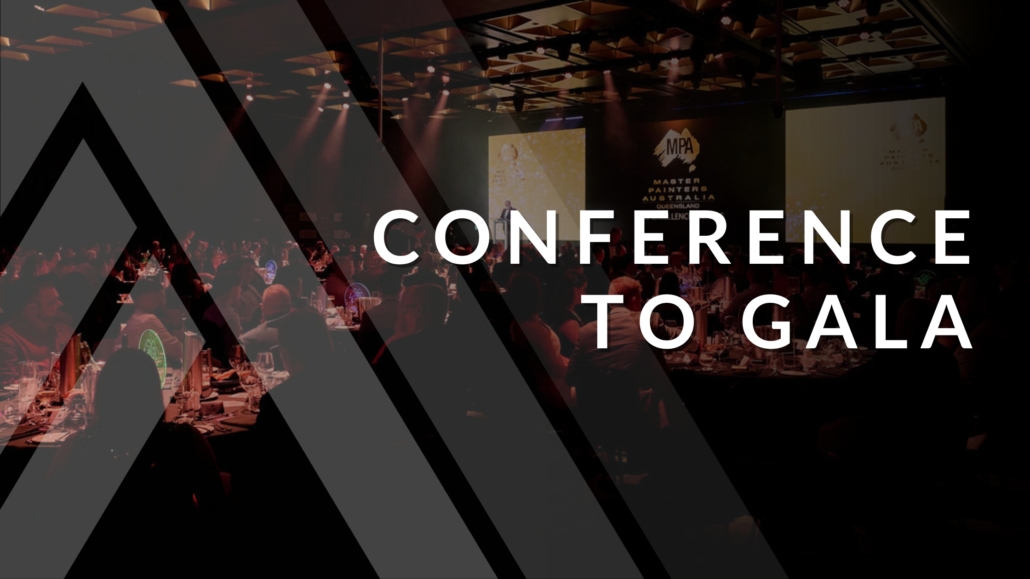
Presenter on stage at during a gala dinner hosted in large ballroom
Day events such as conferences and seminars can be intense. They often run through multiple presentations, workshops and networking sessions, leaving attendees mentally fatigued. To end the day on a high note, more organisers are transforming daytime events into evening celebrations in the same venue. This transition, when executed well, reinvigorates guests and reinforces your event messaging.

Choose a flexible venue and plan the flow

Your venue choice is pivotal. Look for spaces with adjacent rooms or areas that can be quickly repurposed. When transitioning from conference to gala, usher attendees to a pre‑function area for cocktails while the main room is reset. Ensure accessibility for guests with mobility needs and that wayfinding between spaces is clear. An open floor plan with good flow makes it easier for guests to mingle and for staff to swap furniture and décor.

Create a fresh setting with lighting and décor

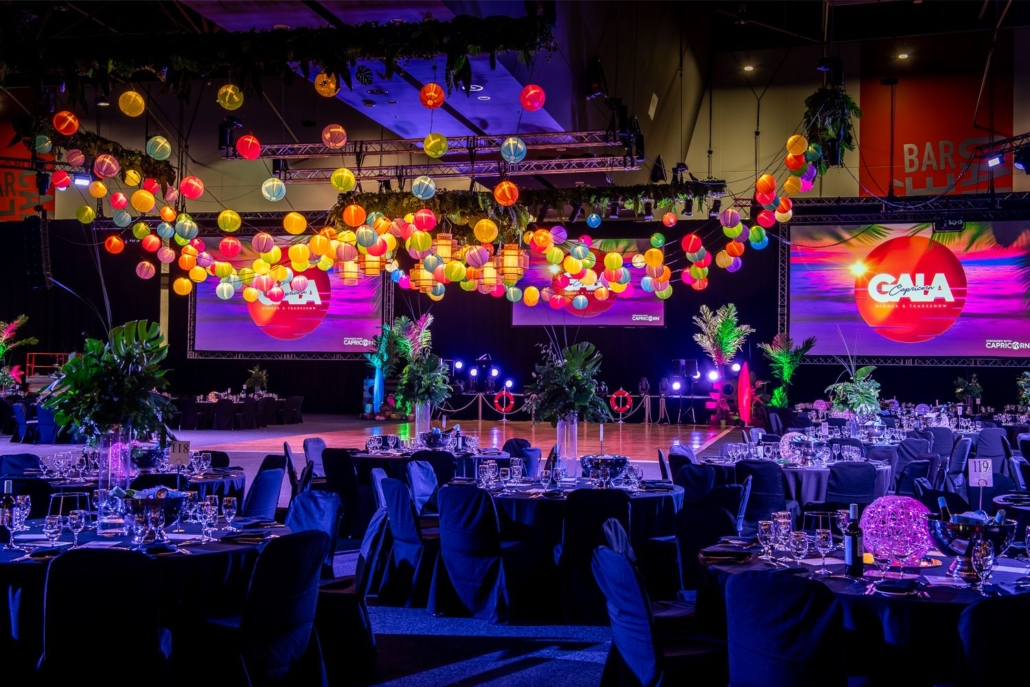
Transforming a conference room into a gala dinner requires a dramatic shift in ambience. Use a new seating arrangement, round tables with elegant linens instead of straight rows of chairs, to encourage social interaction. Introduce bold centrepieces, floral arrangements and thematic décor to bring energy into the room. Lighting plays a starring role: switch from bright conference lights to softer uplighting, spotlighting and accent lights to set a warm, intimate tone. Colour washes or intelligent moving lights can reinforce your brand colours or event theme.

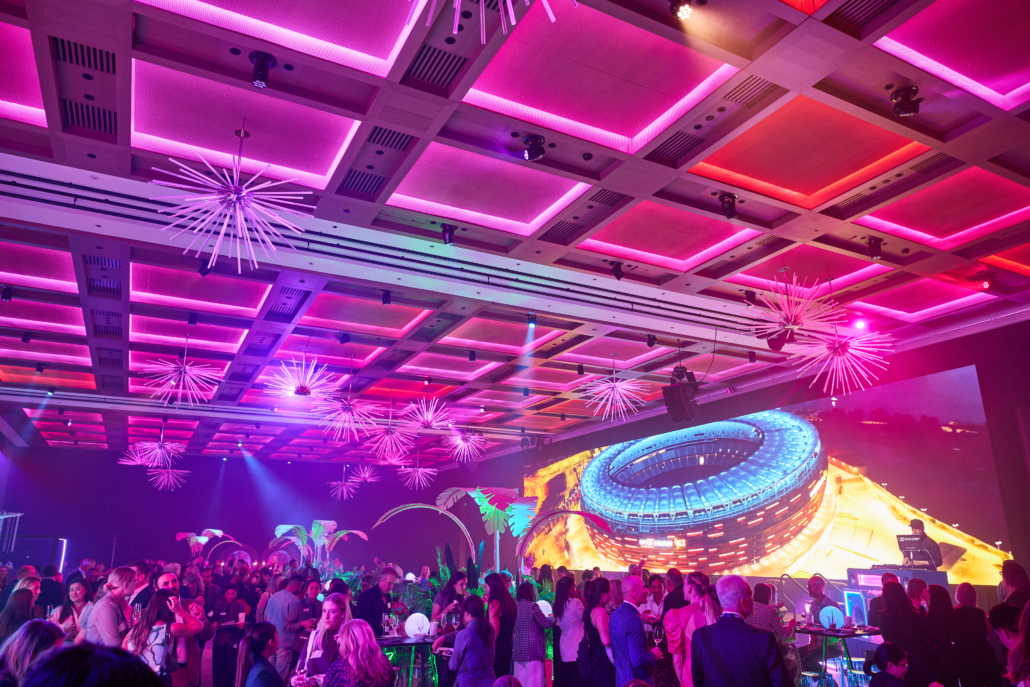
Colourful uplighting and elegant centrepieces transforming an event space

Refocus the stage and seating

For the evening program, reposition the stage and seating for optimal sightlines. A gala dinner typically features presentations, entertainment and awards; ensure each table has a clear view. Consider the stage height, lectern placement and dance floor location so that all guests feel included. If you need inspiration, our Event Theming, Staging & Styling team can help design floor plans and creative stage décor that reflect your brand and story.

Prioritise sound and visuals

A seamless transition also relies on impeccable audio and visual support. Daytime sessions require microphones, presentation screens and live streaming, while evening events demand crisp sound for speeches and music. Work with an experienced AV provider to tailor the sound mix to both settings. The AV team should also coordinate lighting cues, projection mapping and special effects to make the night unforgettable. Our Event Technology service ensures every segment, from conference presentations to gala entertainment, sounds and looks perfect.

Engage guests through sensory experiences

After a day of listening and learning, guests need stimulation to stay engaged. Use dynamic lighting shows, visual presentations and thematic music to awaken the senses. Multi‑sensory elements, such as interactive photo booths or immersive projections, can refresh attendees and reinforce your event’s narrative. Thoughtful touches like signature cocktails, scent diffusers or tactile décor can further elevate the evening.
Sensory experience at a gala dinner night

Conclusion

Transitioning from a daytime conference to a night‑time gala is an opportunity to surprise and delight your guests. By selecting the right venue, changing the setting, focusing on sound and visuals, and delivering sensory experiences, you can create a seamless transformation that keeps attendees energised and leaves them talking about your event long after it’s over. For expert Conference and Events team can help you design a day‑to‑night event that truly shines.
Motorised kinetic lighting fixtures event lighting 2026
Lighting is more than illumination; it sets the mood, reinforces your theme and guides guests through an event. As event technology evolves, lighting designers are embracing lasers, kinetic lighting and other innovations to transform corporate gatherings into immersive experiences. In 2026, lighting design incorporates both functional and creative elements to capture attention and convey brand messages. This guide explains how different lighting types contribute to a memorable corporate event and highlights new trends such as programmable lasers and kinetic lighting.

Room effects and architectural lighting

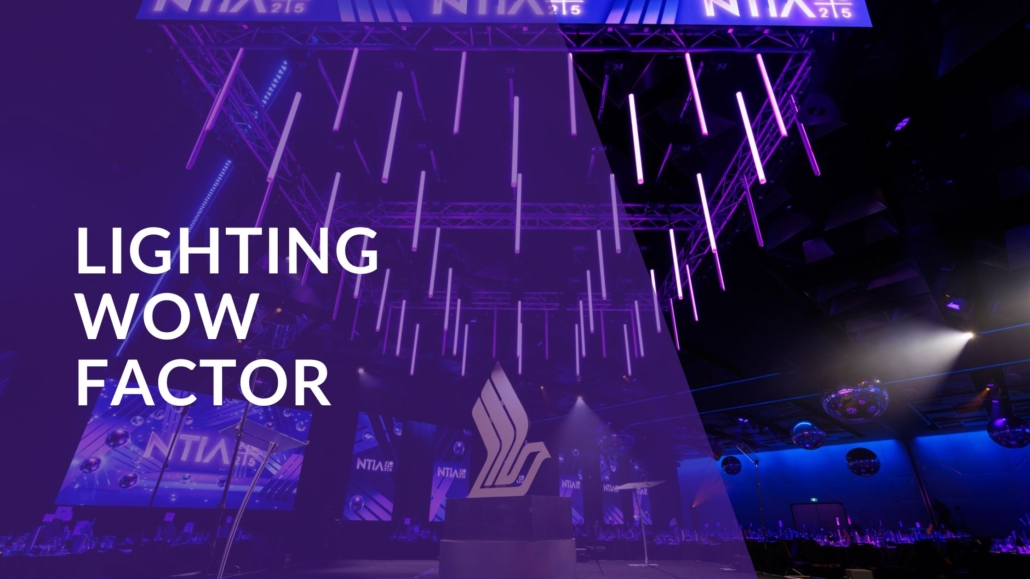
Colour‑changing LED lights and intelligent moving head fixtures can dramatically alter the look and feel of ballrooms and conference spaces. These fixtures are controlled via a lighting console, allowing designers to program multiple looks for different moments: walk‑in, formalities, meal service, awards presentations and party segments. Intelligent moving heads adjust colour, pattern, intensity, angle and direction in sync with the music, creating dynamic atmosphere. Kinetic lighting systems take movement further by integrating motorised fixtures that rise, lower and shift in real time; they create immersive displays that react to music or video content. When paired with DMX and Art‑Net control, kinetic lights offer full‑spectrum colour control and precise synchronisation with your program.

Band, entertainment and dance floor lighting

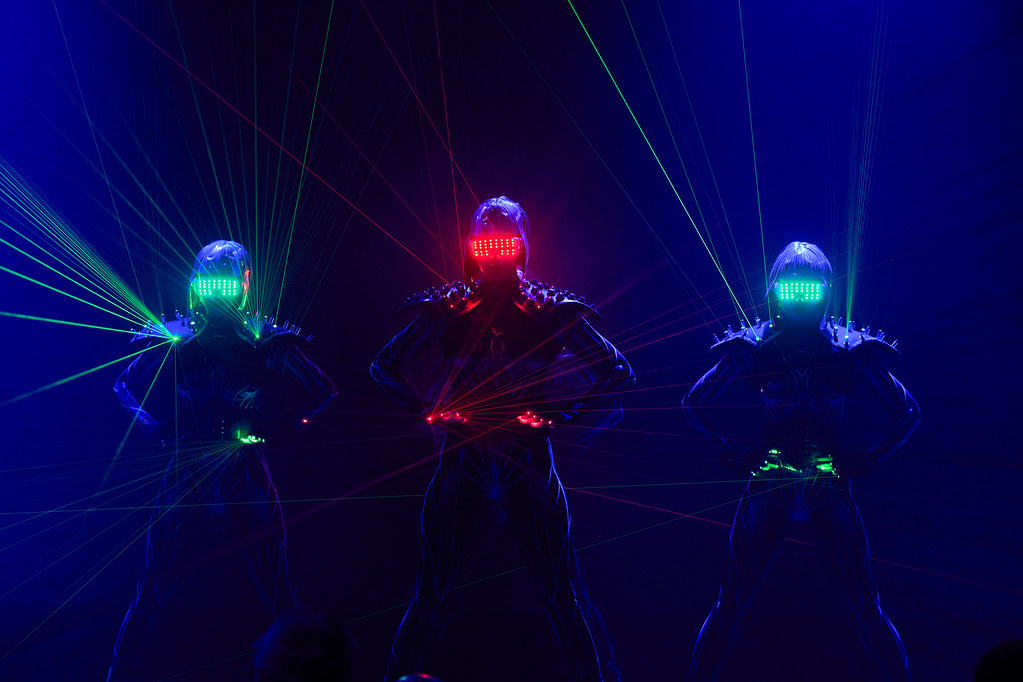
Live entertainment benefits from programmable lighting that can track performers and enhance the beat. Intelligent moving head fixtures and wash lights are commonly used to illuminate bands and dance floors, with operators altering colour and movement to match the rhythm. Lasers have become a staple in live performances, producing jaw‑dropping visuals that pulse in harmony with music. Modern RGB lasers provide vibrant hues and can be mapped by artificial intelligence to sync patterns with audio and stage movements. For high‑energy segments, kinetic lights can shift positions to heighten the drama. If you want to add corporate branding, consider laser projection mapping that projects logos or animations onto walls or ceilings; new laser systems include wireless controls and app integration for effortless customisation.

Performer and stage lighting

To ensure performers are always visible, follow‑spot lights remain essential. Skilled operators fade the light in and out and adjust the beam size to keep the spotlight steady and unobtrusive. On wider stages, profile spotlights focus on presenters or banners, while Fresnel fixtures wash larger areas for presenters who roam. Kinetic lighting adds movement and depth to stage design; motorised fixtures can create patterns or formations that complement the presenter’s message. Programmable lasers offer additional flair, with vibrant beams and patterns that add drama to theatrical sequences or product launches.

Prop and theme lighting

Well‑placed lighting highlights décor, props and styling elements, elevating the event’s theme. Coloured LED PAR cans are versatile for lighting centrepieces or thematic installations. For events seeking a futuristic edge, zero‑waste LED installations and eco‑conscious performances demonstrate environmental commitment. Kinetic lighting systems can be configured into custom shapes or patterns to match your them. Lasers can project animations or brand imagery onto surfaces, providing unique sponsor exposure and reinforcing your message.

Projected and pinspot lighting

Projecting a company or sponsor logo through a gobo onto walls or floors is an alternative to screen‑based sponsorship. New laser systems offer high‑resolution projection capabilities with adjustable beam angles and pattern speeds. Pinspot lighting enhances table settings and centrepieces; intelligent pinspot fixtures allow operators to change table colours throughout the evening, adding unexpected wow factor. Combining pinspots with kinetic lighting overhead can create layered visual effects that transform the room.

Emerging techniques: lasers and kinetic lighting

Lasers and kinetic lighting represent cutting‑edge additions to corporate events. Innovations include brighter and energy‑efficient laser diodes, enhanced colour precision and AI‑driven mapping that synchronises patterns with musi. Wireless integration and app controls make it easier than ever to adjust laser settings in real tim. Beyond concerts, lasers are now used in architectural lighting to project animations onto buildings and landmarks and in theatrical productions to add depth and emotion to scenes.

Kinetic lighting systems incorporate motorised light fixtures that move vertically and horizontally, offering layers of depth and customizable shapes. These systems can be reconfigured to suit different themes and controlled via cloud‑based platforms, enabling designers to program complex sequences remotely. Kinetic lights often use energy‑efficient LED technology and low‑power motors.

Lighting techniques and design considerations

Lighting designers use techniques such as uplighting, downlighting, spotlighting and backlighting to achieve desired looks. Combining static washes with moving fixtures allows for smooth transitions between segments. Kinetic and laser elements should be integrated thoughtfully to avoid overpowering the event’s content. Work closely with your audiovisual partner to develop lighting states for each part of the program, ensuring the right balance between functional illumination and entertainment.

Conclusion

Lighting design can make or break a corporate event. By embracing innovations like lasers and kinetic lighting alongside classic fixtures, you can craft memorable experiences that align with your brand and engage guests. When planning your next event, collaborate with a reputable AV partner to explore how emerging lighting technologies can support your theme, energize your entertainment and leave a lasting impression on attendees. AVPartners’ Event Technology team offers expertise in lighting design, programming and new technologies, while our Event Theming, Staging & Styling services ensure a cohesive look across all elements. Contact us today to discuss how lighting can elevate your next corporate event.

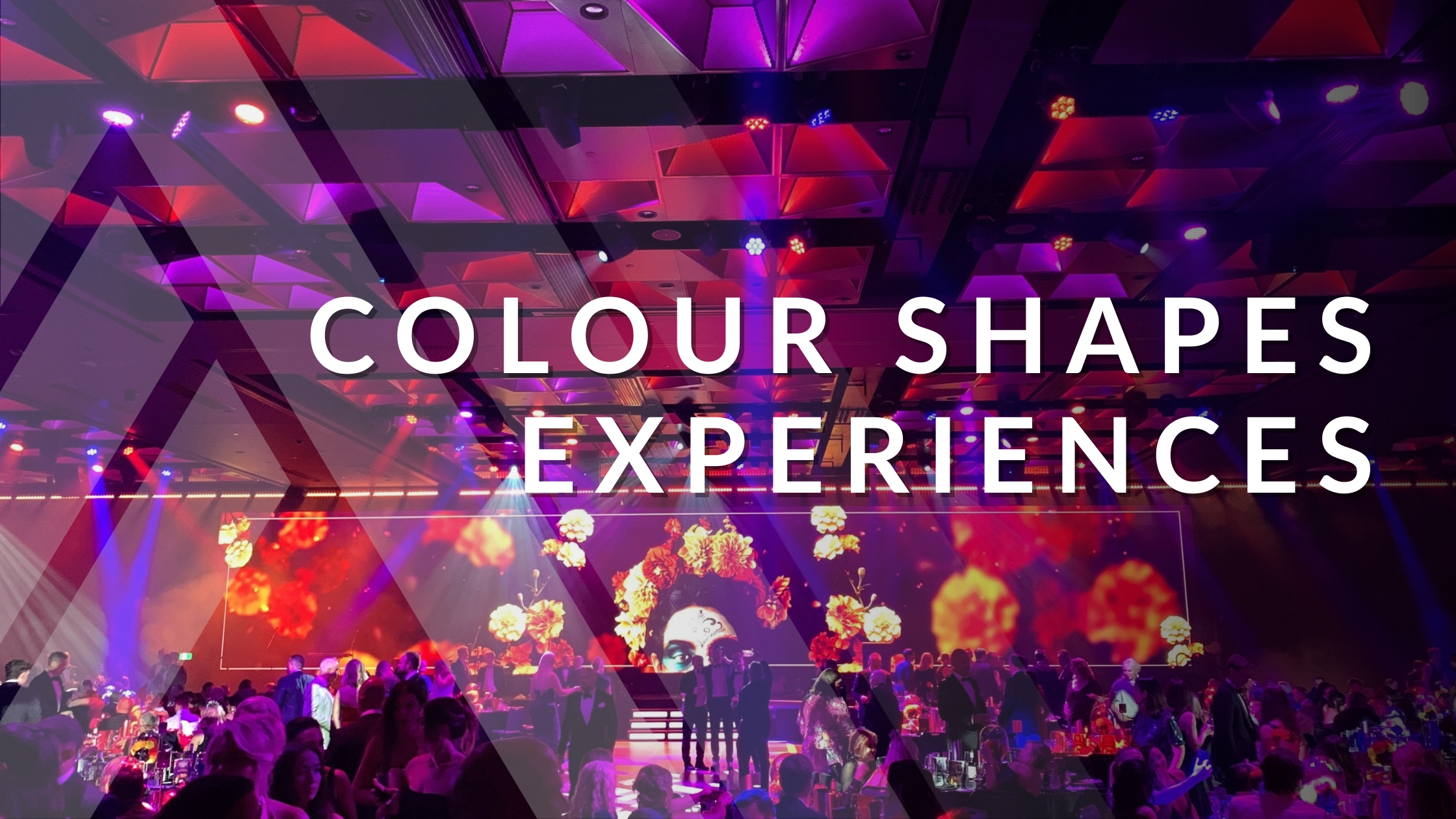
Colour shapes experiences blog banner demonstrating the power of colour in events
When planning an event, many organisers focus on logistics and staging while overlooking one of the most powerful atmosphere-shaping tools available: colour. Research shows that colours influence mood, attention and behaviour, which means they act as silent storytellers throughout your event. The right colour palette reinforces your message, elevates guest experience and helps you create a space that feels exactly the way you intend.

This guide explores the psychology of colour and offers practical ideas for selecting palettes that support different event types. It also includes suggestions for visual assets and opportunities to link to AVPartners styling services.

Power of Colour in Events

Colour psychology studies how hues influence thoughts, emotions and behaviour. Findings show that warm colours such as red, orange and yellow often increase energy and optimism. Cool colours such as blue and green promote calm and reduce stress. Bright, saturated colours stimulate alertness, while soft pastels provide comfort and a sense of safety. Even neutrals carry meaning: black represents power and elegance, while white signals purity and simplicity.

Warm Colours: Energy and Interaction

Warm colours like red, orange and yellow tend to command attention. Research links these hues with excitement, optimism and heightened energy. Red can increase heart rate and create a sense of urgency, which makes it useful for drawing attention to focal points. Orange encourages social interaction and a feeling of enthusiasm. Yellow communicates warmth and happiness, although too much can feel overwhelming, so it is best used in moderation.

Warm tones work well for networking events, celebrations, launches and activations where you want guests to feel energetic and engaged. Event designers often use amber or red lighting washes, warm uplighting on architectural features or floral elements that carry warm accents. Pairing warm tones with neutral shades prevents visual fatigue.

Cool Colours: Calm and Professional

Cool colours such as blue, green and purple create a sense of calm and trust. Blue is widely associated with professionalism and stability. Green symbolises balance and renewal. Purple, which blends the grounded feel of blue with the energy of red, conveys creativity and luxury.

These colours suit conferences, awards dinners and formal galas. They help guests feel focused and relaxed while giving the event a polished, elegant tone. Designers frequently use cool colours through stage lighting, linens, floral arrangements or digital displays. A small amount of warm accent light, for example candlelight or soft tungsten fixtures, prevents the environment from feeling too clinical.

Visual idea: A wide shot of a gala dinner with soft blue and green uplighting to show how cool tones create a peaceful and professional atmosphere.

Dark and Neutral Colours: Sophistication and Contrast

Dark tones such as black, charcoal and deep navy evoke sophistication and authority. Event psychology studies emphasise that black communicates formality and elegance, which is why black-tie events feel luxurious. Too much darkness can feel heavy or somber, so designers often balance dark palettes with whites, metallic accents or warm highlights.

Dark themes work well for galas, awards nights and premium product launches. Lighting becomes especially important in these environments. Pin-spotting, textured projections, metallic décor and LED furniture create depth and prevent the space from feeling flat. Neutral colours such as beige and grey serve as grounding elements that tie bright and dark accents together.

Visual idea: A black-tie event with dark table settings contrasted against crisp white napkins and warm pin-spot lighting.

Bright and Vibrant Colours: Fun and Alertness

Bright, saturated colours like neon greens, hot pinks and electric blues communicate energy and excitement. Behavioural research shows these colours increase alertness and stimulate curiosity. They are ideal for celebrations, youth events or entertainment-focused evenings.

Use vibrant colours intentionally. Too many competing hues can feel chaotic. Accent lighting, LED installations and projection content that shifts with the music can create an immersive, high-energy experience without overwhelming the space.

Visual idea: A video clip of a dance floor with animated projections and changing neon lights.

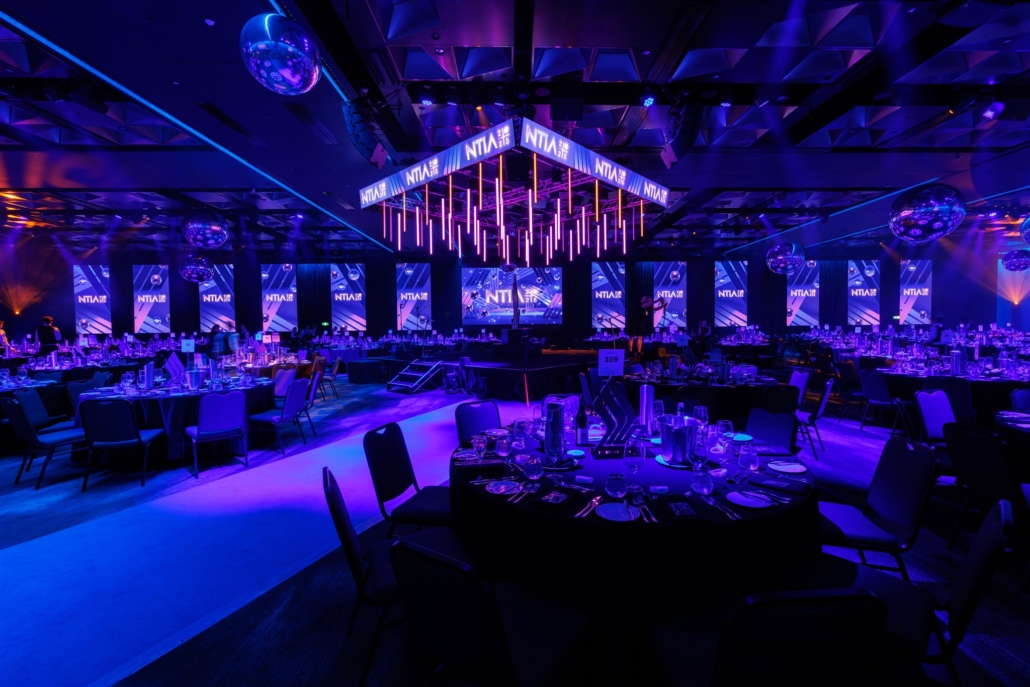
Room Styling for an awards night gala dinner

Cultural and Contextual Considerations

Colour meanings vary across cultures. Some studies show that black symbolises sadness in many regions, while red represents love and green conveys contentment. White may represent purity in some cultures but is associated with mourning in others. When planning for diverse audiences, it is important to consider cultural interpretations to avoid unintended messages.

Demographics also influence colour preferences. Research indicates that women often lean toward softer tints, while men frequently prefer bold primary hues. These tendencies should not dictate your entire palette, but they can help refine the overall aesthetic.

Bringing Colour to Life with Lighting and Décor

Colour is expressed not only through décor but also through lighting design. Lighting is one of the most effective tools for shaping atmosphere because colours can shift throughout the event. Dynamic uplighting, coloured wall washes, ceiling projections and LED accents allow you to transition the room from reception to dinner to dance floor in a matter of seconds. Projection mapping can completely transform the environment and immerse guests in your theme.

AVPartners offers complete event styling services that integrate lighting, décor and audiovisual design. Our team can create custom colour palettes and lighting schemes that reflect your brand and elevate your event. Learn more about our event theming and styling services or contact us to discuss your next event.

Conclusion

Colour plays a powerful role in shaping an event experience. Warm hues encourage energy and connection. Cool tones support focus and professionalism. Dark colours signal luxury. Bright colours generate excitement. By understanding the psychology behind colour and tailoring your palette to your goals, you can create events that feel cohesive, memorable and aligned with your message. If you are ready to elevate your next event through thoughtful colour design, our team would love to help bring your vision to life.