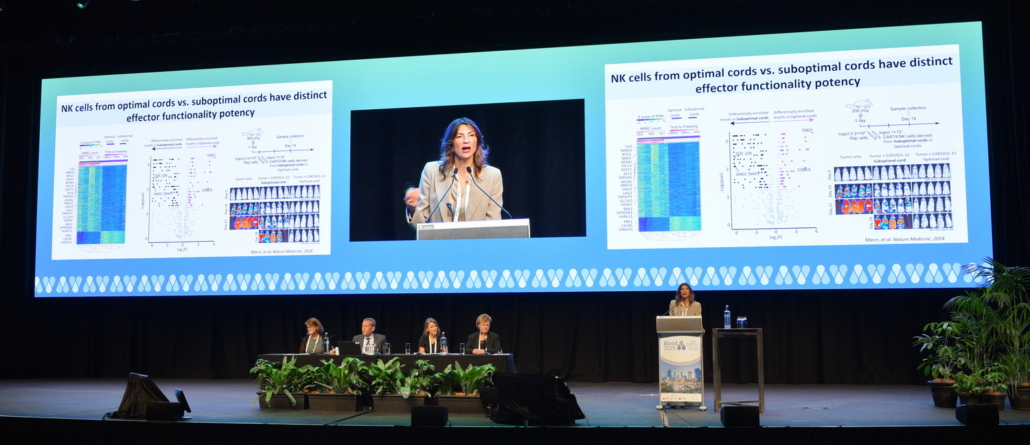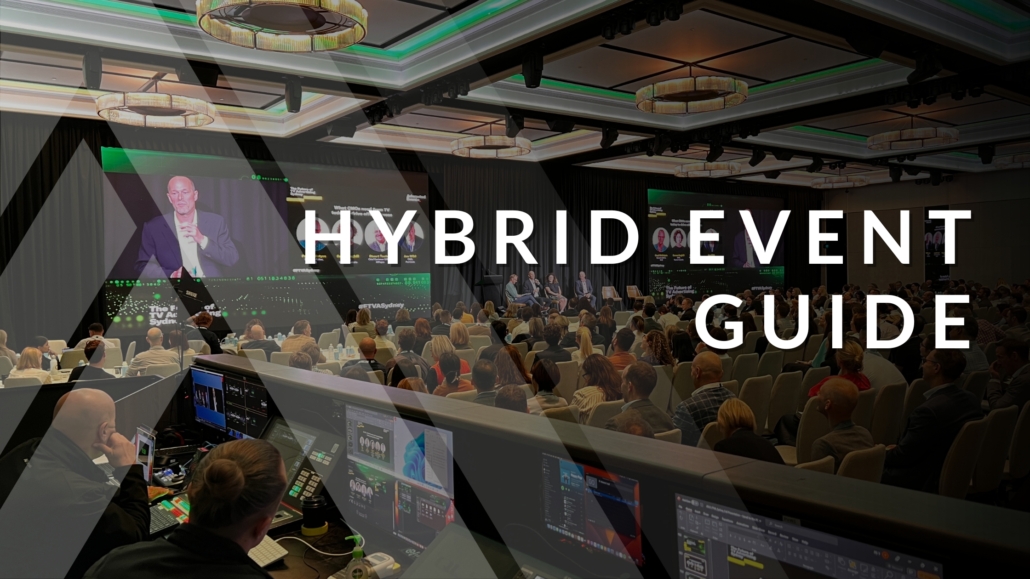
With live experiences roaring back to life and digital interactions becoming more sophisticated, the hybrid event has become a must‑have format for many event organisers in 2026. A hybrid event blends a live, in‑person audience with a virtual one, delivering both the energy of the room and the global reach of online participation. This guide explains how to hold a hybrid event that feels cohesive and captivating. According to event industry statistics, hybrid and virtual events now dominate event strategies, with roughly three‑quarters of planners adopting hybrid formats and more than 60 per cent increasing their investment in virtual platforms. Another survey found that 71 per cent of event planners plan to continue organising virtual and hybrid events even as restrictions ease. This shift isn’t just a fad: 95 per cent of companies say virtual events remain part of their strategy, and 70 per cent believe hybrid events are here to stay.
Hybrid events bridge the gap between physical presence and digital convenience. They allow attendees to join from anywhere, a critical feature when Freeman research shows that 46 per cent of trade show guests attend only one show per year and many international delegates now prefer to participate virtually due to travel costs, visa issues or safety concerns. Hybrid formats therefore expand your reach, boost accessibility and offer multiple revenue streams.
Why hybrid events matter in 2026
The global events industry is projected to grow to over $1.3 trillion+ in 2026, and much of this growth comes from hybrid experiences. Planners are embracing hybrid events not only for accessibility but also for cost efficiency. With a virtual‑first mindset, organisers can rent smaller venues, reduce travel and accommodation expenses, and still deliver impactful content to thousands of remote viewers. Micro‑events are also on the rise, rather than focusing on a few large conferences, many companies now host smaller, highly targeted events throughout the year.
Hybrid events cater to attendees’ changing expectations. Surveys show that more than 90 per cent of respondents want a balance between technology and in‑person experiences. Technology enables personalisation at scale: AI‑driven networking tools, real‑time polls, virtual breakout rooms and gamified challenges help remote participants feel as engaged as those in the room. Meanwhile, data collected during hybrid events, such as registration details, session attendance, social media engagement and feedback, allows organisers to refine future experiences. Nearly 95 per cent of marketers now track return on investment in real time, and 89 per cent prioritise personalised experiences based on data analytics. In‑person events still account for about 60 per cent of industry revenue, but hybrid events, currently around 5 per cent, are rapidly gaining ground.
Prepare your technology and content
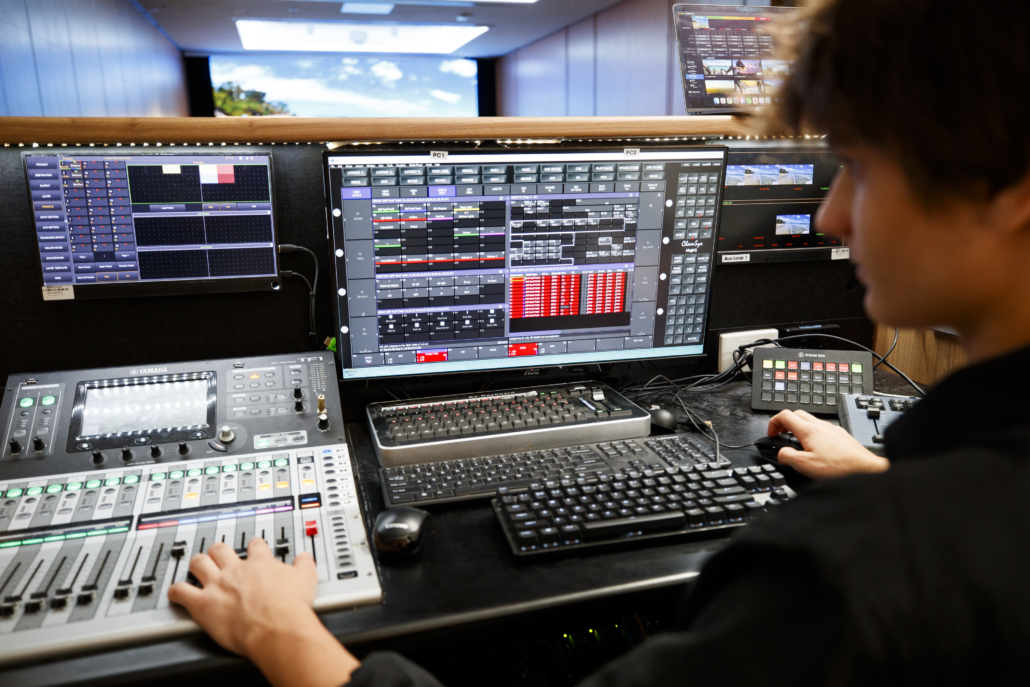
Great hybrid events begin with meticulous preparation. Start by choosing a reliable event platform that supports live streaming, on‑demand playback, audience interaction and robust analytics. With 70 per cent of planners already using AI tools for personalisation and logistics, look for a platform that integrates features such as AI‑powered matchmaking and automated captioning. High‑quality production is essential, remote attendees will leave if they experience poor audio or blurry video. Ensure your cameras capture the right angles and your microphones deliver clear sound.
For professional support, consider partnering with AVPartners’ event technology specialists. Our team combines audio, vision and lighting expertise to create immersive experience, designing sound systems tuned to your venue’s acoustics and delivering stunning visuals through LED screens and projection.
Prepare all presentation assets, slides, videos, graphics and pre‑recorded interviews, well in advance. Load them into your streaming system and run rehearsals to test transitions. Speakers may feel more nervous knowing they’re being broadcast to a global audience, so coach them on addressing both in‑person and virtual attendees. If your event features ultra‑wide LED displays or extended reality sets, work with your technical team to customise the content appropriately. Our animation Customised content for ultra‑wide LED screens demonstrates how to tailor visuals to non‑traditional formats.
Design a unified experience
A successful hybrid event isn’t just a livestream of a physical conference; it’s a deliberately designed experience for two audiences. When planning your agenda, think about how each segment will resonate both in the room and online. Shorter sessions with clear outcomes are effective: micro‑learning modules prevent fatigue and cater to attention spans across time zones. Provide virtual attendees with their own networking lounges, chat rooms and Q&A channels so they can interact without feeling like second‑class participants. Technologies that allow remote participants to ask questions in real time and join discussion panels help bridge the gap.
On site, position your cameras to capture speaker close‑ups, audience reactions and wide shots that show the energy of the room. Stage design and lighting play crucial roles in making your event look polished on screen. Intelligent, programmable lighting sets the mood, highlights key moments and elevates the experience. Provide clear signage and digital displays that indicate when virtual audience questions are coming in, and encourage speakers to acknowledge remote attendees at the beginning of each session. Hybrid events are inherently interactive: polls, quizzes and gamified challenges not only boost engagement but also generate valuable data points for post‑event analysis.
Keep to schedule and manage time zones
Punctuality is paramount when your audience is spread across multiple locations. Virtual attendees tune in at specific times for keynote sessions; delays can cause frustration and drop‑offs. Create a detailed run sheet that accounts for transitions, speaker introductions and audience Q&A. Assign a moderator or chairperson to keep the programme on track and to monitor online chat and questions. If your event spans multiple time zones, consider repeating key sessions or providing on‑demand access so remote viewers can catch up. Breaking longer conferences into half‑day segments or micro‑events helps accommodate different regions and maintain energy levels.
Engage your audience and foster community
Hybrid events succeed when all participants feel included. Acknowledge virtual attendees during opening remarks and encourage interaction between online and in‑person audiences. For example, pair remote and on‑site participants in breakout discussions or networking games, and display live chat messages on venue screens. Networking capabilities are a key contributor to attendee satisfaction, yet connecting the two audiences is also one of the biggest challenges. Overcome this by appointing digital hosts to guide remote conversations and by using AI‑driven matchmaking tools to suggest connections based on interests and goals.
Remember to safeguard both physical and virtual participants. Choose platforms that offer end‑to‑end encryption, secure logins and protection against malicious bots. Communicate your privacy and safety protocols clearly so participants feel confident joining your event.
Measure success and extend the lifecycle
One of the biggest advantages of hybrid events is the depth of data they generate. While in‑person events still account for about 60 per cent of event revenue and hybrid events represent roughly 5 per cent, hybrid formats enable you to capture metrics you can’t get from a traditional conference. Track registration, engagement during sessions, dwell time in virtual expo booths, poll responses and social media activity. Use these insights to segment your audience, personalise follow‑up communications and improve your next event. With 95 per cent of marketers tracking ROI and 89 per cent focusing on personalisation, data‑driven decisions are no longer optional.
After the event, keep the conversation going. Make recordings available on demand, turn breakout discussions into blog posts, and invite participants to join your community platform. Hybrid events support year‑round engagement by providing a space where attendees can continue discussions and sponsors can share educational content. The shift from one‑off gatherings to ongoing communities builds trust and loyalty, and it creates new revenue opportunities through subscription access, premium content and sponsor activations.
Partner with the right AV team
Behind every seamless hybrid event is a team of experienced professionals. AVPartners specialises in virtual and hybrid event services, offering end‑to‑end production that includes creative planning, technical setup, live streaming, audience engagement tools and post‑event analytics. Our hybrid platforms feature plenary sessions, breakout rooms, sponsor areas and networking lounges tailored to your audience. We also provide professional studios for webinars and live broadcasts, equipped with high‑speed internet, cameras, microphones and lighting. By partnering with AVPartners, you gain access to broadcast‑grade equipment, expert technicians and customised platforms that ensure every attendee, on site or online, has an exceptional experience.
For organisers in Sydney, our Live Streaming & Hybrid Event Services Sydney hub offers centrally located venues with cutting‑edge technology and lightning‑fast internet. We can help you plan your next hybrid meeting, product launch or conference.
Conclusion
Hybrid events have evolved from a pandemic necessity into a core strategy for organisations that value reach, flexibility and data. With the events industry set to grow rapidly and attendee expectations rising, the hybrid model allows you to deliver immersive, engaging experiences to audiences everywhere. By preparing carefully, investing in high‑quality technology, designing inclusive experiences and working with an expert partner like AVPartners, you can hold a hybrid event that captures attention, drives engagement and delivers measurable results. By following these steps you will know how to hold a hybrid event that resonates with audiences and delivers measurable outcomes. Ready to make your next event truly hybrid? Contact us to explore how our virtual and hybrid event services can bring your vision to life.