Tag Archive for: 2026 trends

Motorised kinetic lighting fixtures event lighting 2026
Lighting is more than illumination; it sets the mood, reinforces your theme and guides guests through an event. As event technology evolves, lighting designers are embracing lasers, kinetic lighting and other innovations to transform corporate gatherings into immersive experiences. In 2026, lighting design incorporates both functional and creative elements to capture attention and convey brand messages. This guide explains how different lighting types contribute to a memorable corporate event and highlights new trends such as programmable lasers and kinetic lighting.

Room effects and architectural lighting

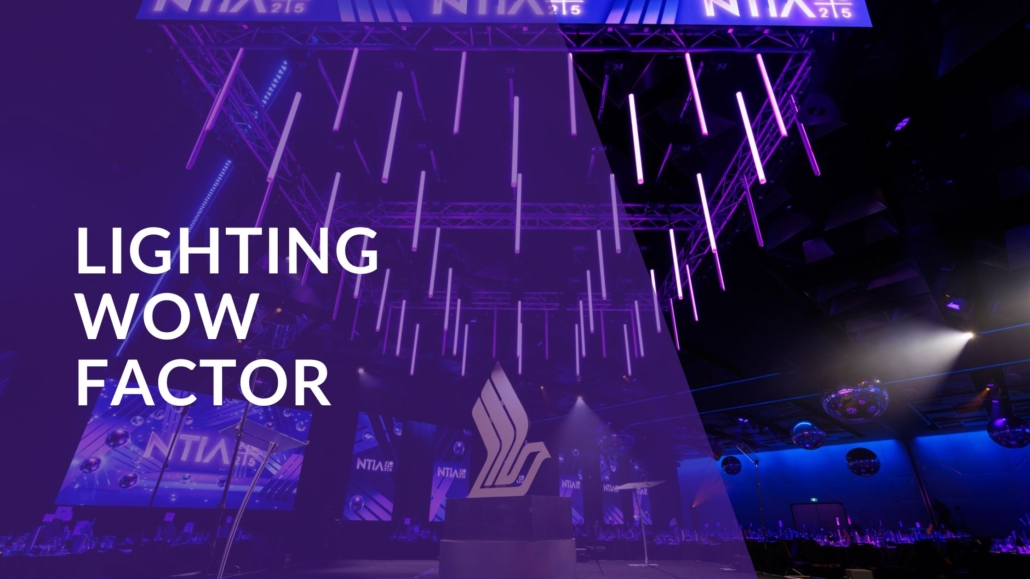
Colour‑changing LED lights and intelligent moving head fixtures can dramatically alter the look and feel of ballrooms and conference spaces. These fixtures are controlled via a lighting console, allowing designers to program multiple looks for different moments: walk‑in, formalities, meal service, awards presentations and party segments. Intelligent moving heads adjust colour, pattern, intensity, angle and direction in sync with the music, creating dynamic atmosphere. Kinetic lighting systems take movement further by integrating motorised fixtures that rise, lower and shift in real time; they create immersive displays that react to music or video content. When paired with DMX and Art‑Net control, kinetic lights offer full‑spectrum colour control and precise synchronisation with your program.

Band, entertainment and dance floor lighting

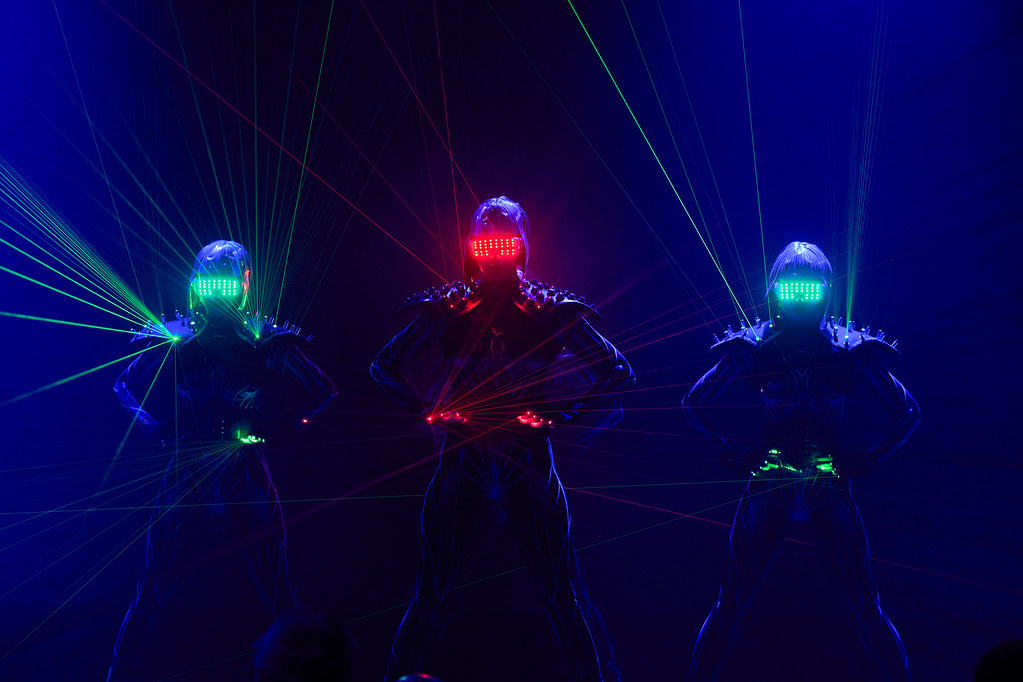
Live entertainment benefits from programmable lighting that can track performers and enhance the beat. Intelligent moving head fixtures and wash lights are commonly used to illuminate bands and dance floors, with operators altering colour and movement to match the rhythm. Lasers have become a staple in live performances, producing jaw‑dropping visuals that pulse in harmony with music. Modern RGB lasers provide vibrant hues and can be mapped by artificial intelligence to sync patterns with audio and stage movements. For high‑energy segments, kinetic lights can shift positions to heighten the drama. If you want to add corporate branding, consider laser projection mapping that projects logos or animations onto walls or ceilings; new laser systems include wireless controls and app integration for effortless customisation.
Performer and stage lighting

To ensure performers are always visible, follow‑spot lights remain essential. Skilled operators fade the light in and out and adjust the beam size to keep the spotlight steady and unobtrusive. On wider stages, profile spotlights focus on presenters or banners, while Fresnel fixtures wash larger areas for presenters who roam. Kinetic lighting adds movement and depth to stage design; motorised fixtures can create patterns or formations that complement the presenter’s message. Programmable lasers offer additional flair, with vibrant beams and patterns that add drama to theatrical sequences or product launches.

Prop and theme lighting

Well‑placed lighting highlights décor, props and styling elements, elevating the event’s theme. Coloured LED PAR cans are versatile for lighting centrepieces or thematic installations. For events seeking a futuristic edge, zero‑waste LED installations and eco‑conscious performances demonstrate environmental commitment. Kinetic lighting systems can be configured into custom shapes or patterns to match your them. Lasers can project animations or brand imagery onto surfaces, providing unique sponsor exposure and reinforcing your message.

Projected and pinspot lighting

Projecting a company or sponsor logo through a gobo onto walls or floors is an alternative to screen‑based sponsorship. New laser systems offer high‑resolution projection capabilities with adjustable beam angles and pattern speeds. Pinspot lighting enhances table settings and centrepieces; intelligent pinspot fixtures allow operators to change table colours throughout the evening, adding unexpected wow factor. Combining pinspots with kinetic lighting overhead can create layered visual effects that transform the room.

Emerging techniques: lasers and kinetic lighting

Lasers and kinetic lighting represent cutting‑edge additions to corporate events. Innovations include brighter and energy‑efficient laser diodes, enhanced colour precision and AI‑driven mapping that synchronises patterns with musi. Wireless integration and app controls make it easier than ever to adjust laser settings in real tim. Beyond concerts, lasers are now used in architectural lighting to project animations onto buildings and landmarks and in theatrical productions to add depth and emotion to scenes.

Kinetic lighting systems incorporate motorised light fixtures that move vertically and horizontally, offering layers of depth and customizable shapes. These systems can be reconfigured to suit different themes and controlled via cloud‑based platforms, enabling designers to program complex sequences remotely. Kinetic lights often use energy‑efficient LED technology and low‑power motors.

Lighting techniques and design considerations

Lighting designers use techniques such as uplighting, downlighting, spotlighting and backlighting to achieve desired looks. Combining static washes with moving fixtures allows for smooth transitions between segments. Kinetic and laser elements should be integrated thoughtfully to avoid overpowering the event’s content. Work closely with your audiovisual partner to develop lighting states for each part of the program, ensuring the right balance between functional illumination and entertainment.

Conclusion

Lighting design can make or break a corporate event. By embracing innovations like lasers and kinetic lighting alongside classic fixtures, you can craft memorable experiences that align with your brand and engage guests. When planning your next event, collaborate with a reputable AV partner to explore how emerging lighting technologies can support your theme, energize your entertainment and leave a lasting impression on attendees. AVPartners’ Event Technology team offers expertise in lighting design, programming and new technologies, while our Event Theming, Staging & Styling services ensure a cohesive look across all elements. Contact us today to discuss how lighting can elevate your next corporate event.
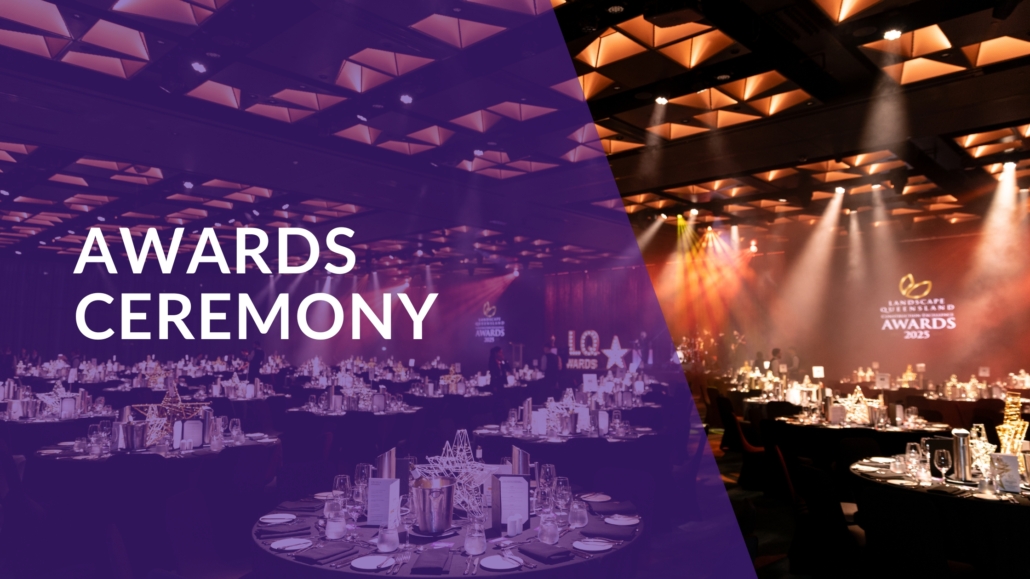
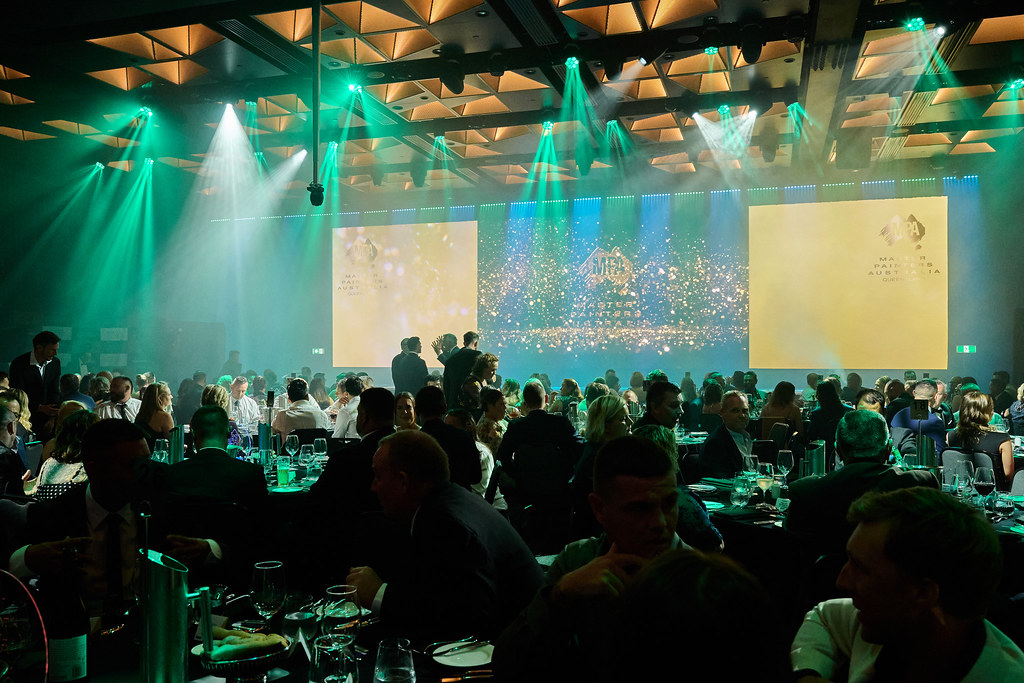
Celebrating achievement is one of the most memorable things an organisation can do. Award ceremonies honour hard‑working teams and individuals while boosting morale, elevating brand awareness and creating networking opportunities. Planning these nights takes time, and the timeline varies depending on the scale of your event. This guide outlines a clear planning schedule and budgeting advice for award ceremonies in 2026, drawing on research from event management experts.

Start with a vision: nine to twelve months out

Great award ceremonies begin with clear objectives and a team that is aligned on the event’s purpose. Identify whether you’re celebrating employees, industry leaders or community contributions, and set key success metrics. According to event planning guides, organisers should start preparations at least nine to twelve months before the ceremony. Establishing a committee at this stage allows you to map the scope, decide on award categories and confirm your budget and timeline. Consider whether you’ll host a black‑tie gala or a more casual luncheon; this decision will influence your budget and venue options.

Budgeting for Australian audiences

Setting a budget early helps you determine what’s feasible and informs ticket pricing and sponsorship packages. In 2026, expect catering costs for corporate events to range from about AUD 75 to 105 per person for standard meals and from around AUD 190 to 270 per person for formal dinners. Buffet meals may be more economical, falling between approximately AUD 40 and 98 per guest. Build in a 10–15 per cent contingency fund for unexpected expenses and prioritise spending on items that deliver the most value, such as venue quality, audiovisual production and guest experience.

Six months out: choose date, venue and application process

With your budget and purpose defined, select an appropriate date and venue about six months before the event. Visit potential venues in person, check for good lighting, sound quality and accessibility, and avoid clashes with public holidays or major industry events. At this stage, determine whether you will stream the ceremony for remote guests; robust internet connections and professional streaming support are essential for hybrid events. AVPartners’ Live Streaming & Hybrid Event Services provide broadcast‑grade streaming, interactive features and reliable connectivity for nationwide audiences.

Next, design your award categories and open nominations. For corporate or industry awards, create a downloadable form that outlines eligibility criteria, submission requirements and deadlines. Share this via your website and social channels, and allow at least three months to receive and review submissions so judges have sufficient time to deliberate.

Guests enjoying dinner during an awards night in a decorated ballroom

Four months out: assemble your judging panel

A credible judging panel lends legitimacy to your ceremony and encourages quality submissions. Invite respected industry leaders, past winners or media representatives. Promote the judges’ involvement to build anticipation and attract applicants. Confirm their availability for the review period and ensure they understand the scoring criteria. Finalise your event’s theme and begin working with stylists to align décor, staging and branding elements. AVPartners’ Theming, Staging & Styling team can help you develop creative concepts and produce custom stage designs that reflect your vision.

Three months out: lock in production and catering

By the three‑month mark, contract your audiovisual partner and catering supplier. Determine whether you need a sit‑down dinner or a stand‑up networking format; this choice will shape menu selections and the flow of the program. Clarify audiovisual requirements such as microphones, screens and lighting—award ceremonies often require multiple cameras and live feeds to spotlight winners. Choose an engaging MC and decide how speeches will be delivered; consider limiting speeches to three minutes to maintain momentum.

Two months out: close nominations and invite VIPs

Two months before the ceremony, close your application window and provide judges with all submissions. Decide whether winners will be informed in advance or kept secret until the night. At this point, extend invitations to high‑profile guests and sponsors. Including industry leaders, council representatives and investors adds prestige and networking opportunities. Begin drafting your event program, including running order, entertainment segments and award intervals. Ensure presenters and performers have access to the venue for rehearsals. Keep refining your theme and décor, focusing on environmentally friendly touches such as recycled trophies or plant‑based menus.

One month out: finalise logistics and runsheet

Four weeks prior, confirm the final guest list, catering numbers and any dietary requirements. Place orders for decorations, trophies, signage and staff uniforms. Work with your AV provider to create a detailed runsheet—a minute‑by‑minute schedule of the ceremony that outlines awards, speeches, performances and intermissions. Share this document with all suppliers and staff to keep everyone aligned and allow time for questions and revisions. Remember that this schedule may evolve in the last weeks; update it as needed.

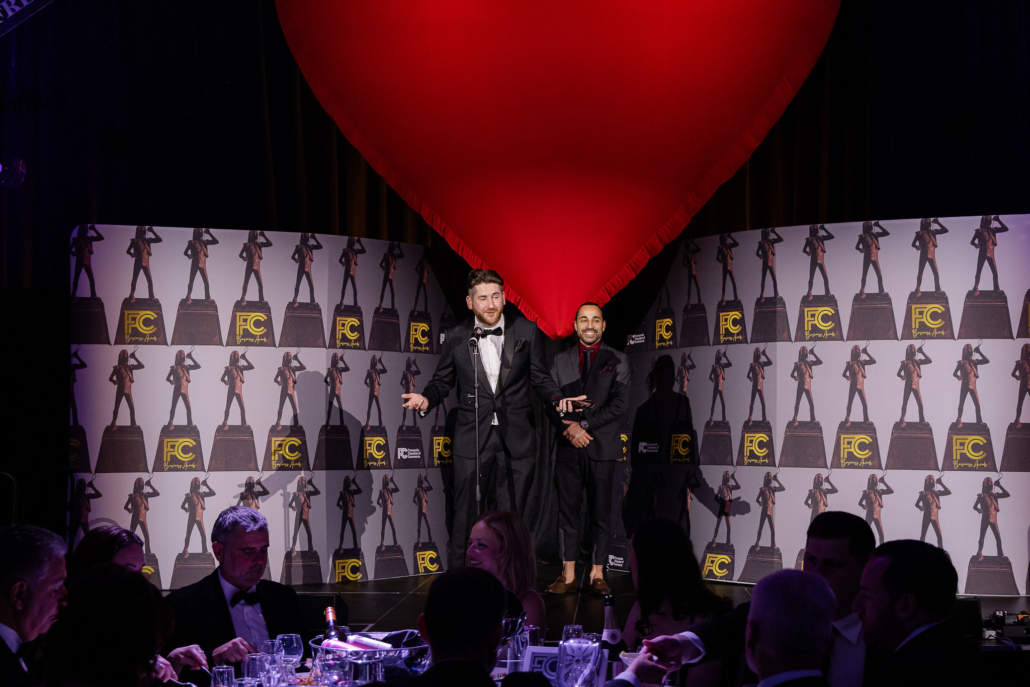
Awards ceremony winner gives an acceptance speech

Two weeks out: build excitement and test technology

In the fortnight leading up to the ceremony, launch a final marketing push. Announce shortlists, highlight your MC and judges, and showcase sponsors to build excitement. Use email newsletters, social media campaigns and press releases to encourage last‑minute registrations. Provide clear instructions about arrival times, dress code and parking to attendees.

On the day: deliver a memorable experience

On the day of the ceremony, arrive early to oversee setup and brief staff. Conduct a full technical rehearsal with your AV team to test microphones, cameras, lighting and streaming platforms. Ensure backup equipment is ready and that speakers and performers are comfortable with the stage layout. Follow your runsheet carefully but remain flexible for unforeseen changes. Provide clear signage and registration to help guests navigate the venue. Keep speeches concise and pace award presentations with entertainment or videos to maintain energy. After the ceremony, host a reception or networking session so attendees can celebrate and connect. Capture photos and videos of key moments and share them promptly on social media and your website. Collect feedback from guests, sponsors and team members to improve future events.

Conclusion: plan early, budget wisely and partner with experts

Award ceremonies celebrate achievement and inspire others to aim higher. Successful ceremonies are the result of months of careful planning, from defining your purpose and budget to selecting judges, securing venues and coordinating technical production. Start your planning at least nine months out, allocate resources thoughtfully and embrace technology to enhance both in‑person and virtual experiences. For creative multimedia content, consider AVPartners’ Multimedia Production services; for immersive theming and staging, explore our Theming, Staging & Styling expertise; and for hybrid events, leverage our Live Streaming and Hybrid Event Services. With a clear timeline, realistic budget and professional support, your 2026 awards night will be a memorable celebration of success.

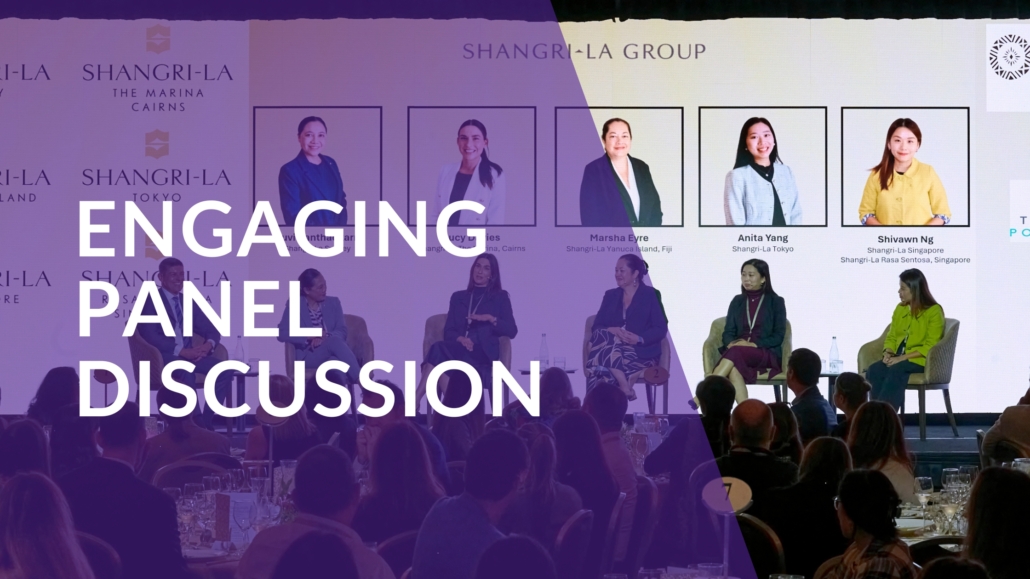
Moderator guiding a panel discussion with multiple microphones.
Panel discussions remain a powerful tool for knowledge sharing and thought leadership in 2026. They bring together experts to share diverse perspectives, provide real‑time audience interaction and offer a dynamic alternative to traditional keynotes. When done well, panels ignite conversation and leave attendees with practical insights. But without careful planning and skilled moderation, they can drag on and lose the audience’s attention. Here’s how to design a panel session that resonates with modern audiences.

Define your goals and choose a compelling topic

Successful panels start with clear objectives. Determine what you want attendees to learn and why the subject is relevant now. Look at industry trends, attendee challenges and questions from past events to choose a topic that sparks debate. In 2026, hot topics include sustainability, hybrid work, artificial intelligence and diversity initiatives. Align your topic with your event’s theme and overall goals.

Select diverse and knowledgeable panellists

Panel discussions thrive on multiple perspectives. Assemble a panel with varied expertise, professional backgrounds, demographics and viewpoints. Diversity isn’t just ethical; it helps your discussion resonate with more attendees. Look beyond industry leaders to include emerging voices, innovators and those representing underserved communities. Invite panellists well in advance, many speakers are booked months ahead. Consider having backup panellists on standby in case of last‑minute cancellations.

Choose an engaging moderator

A moderator introduces speakers, steers the conversation and keeps the energy high. Look for someone who is comfortable managing different personalities and can improvise when discussions go off script. A strong moderator knows when to ask deeper questions, interject if someone dominates the conversation and invite quieter panellists to contribute. They also facilitate audience engagement by encouraging questions and incorporating interactive elements.

Prepare and rehears, but don’t script

Share your questions and discussion flow with panellists ahead of time. Encourage them to prepare stories, data and examples rather than memorising answers. Provide an agenda that outlines the opening, key themes, audience Q&A and closing remarks. While you should rehearse transitions, keep the discussion flexible enough for natural dialogue. Encourage panellists to speak in their own voice and prepare backup questions to avoid awkward silences.

Design the format and flow

Decide on the right panel format, traditional Q&A, fireside chat, debate or roundtable, based on your goals. Map out the session’s structure: a brief introduction, a series of prepared questions, audience participation and a strong conclusion. Allocate time for each segment: give each panellist three to five minutes for opening remarks and 10‑15 minutes for moderated discussion per topic, leaving time for audience Q&A. Incorporate short breaks or polls between topics to maintain energy. Finish with clear takeaways so attendees leave with actionable insights.

Engage the audience throughout

Interactive panels keep attendees invested. Collect questions ahead of time or allow real‑time submissions via Q&A apps or index cards. Vet questions to avoid off‑topic or inappropriate queries. For virtual panels, use live polls, chat and breakout rooms to enhance participation. Encourage the moderator to acknowledge and address audience contributions during the discussion. Plan strategies for handling disruptive participants, mute or remove them in virtual sessions or have staff intervene in person.

Manage technology and logistics

Partner with a reputable AV provider to ensure flawless audio and visual delivery. Panellists should be easily seen and heard, whether on a stage or joining remotely. Work with your AV team to choose the right microphones (lapel, handheld or shared), lighting and camera angles. Test all equipment multiple times before the event, and have backup microphones and internet connections ready. AVPartners’ Event Technology services include stage design, lighting, sound and streaming capabilities tailored for panels. If your discussion is hybrid, our Virtual & Hybrid Event Services can integrate remote speakers and interactive features.

Promote and evaluate your panel

Start promotion early. Use social media, email campaigns and partner channels to highlight your panel’s topic and speakers. Create an event hashtag and share behind‑the‑scenes content to build excitement. For targeted marketing, collaborate with relevant organisations that share your audience. After the event, gather feedback from attendees and panellists using surveys to identify what worked well and what could improve. Measure engagement metrics like attendance numbers, average viewing time and Q&A participation. Use these insights to refine your next panel discussion.

Conclusion

A panel discussion is more than just a group of experts on stage. It’s an opportunity to provide multiple perspectives, foster dialogue and engage your audience. By setting clear goals, selecting diverse panellists, appointing an effective moderator and integrating interactive technology, you can deliver a memorable session. Planning ahead and working with professional AV partners like AVPartners will ensure your panel discussion aligns with 2026 event trends and leaves a lasting impression. To start designing your next panel, reach out via our contact page.