Entertainment remains one of the most effective ways to make a business event memorable and to amplify your brand’s impact. Immersive activations and interactive moments can be powerful: 64 per cent of attendees say immersive experiences are the most important driver of event satisfaction. In 2026, choosing event entertainment means balancing emerging technology, audience expectations and sustainable practices while still aligning with your business goals. This guide breaks down five key considerations to help you select entertainment that excites your guests and supports your objectives.
1. Define clear goals and a cohesive theme
Begin by clarifying what you want the entertainment to achieve. Are you energising a sales conference, celebrating a merger or creating an intimate networking environment? Entertainment should reinforce your event’s purpose rather than distract from it. Establishing a strong theme helps you weave your messaging, visuals and activities into a cohesive experience.
A clear theme also supports culture and engagement: it makes attendees feel part of something meaningful rather than just another meeting. Event planners recommend developing your theme before selecting entertainment. When your entertainment choices align with your message, for example, tying a company’s growth story to local butterfly migrations—every element reinforces your brand. AVPartners’ Event Theming, Staging & Styling service can help you create an integrated theme and design that ties your entertainment to the overall look and feel of your venue.
2. Understand your audience and format
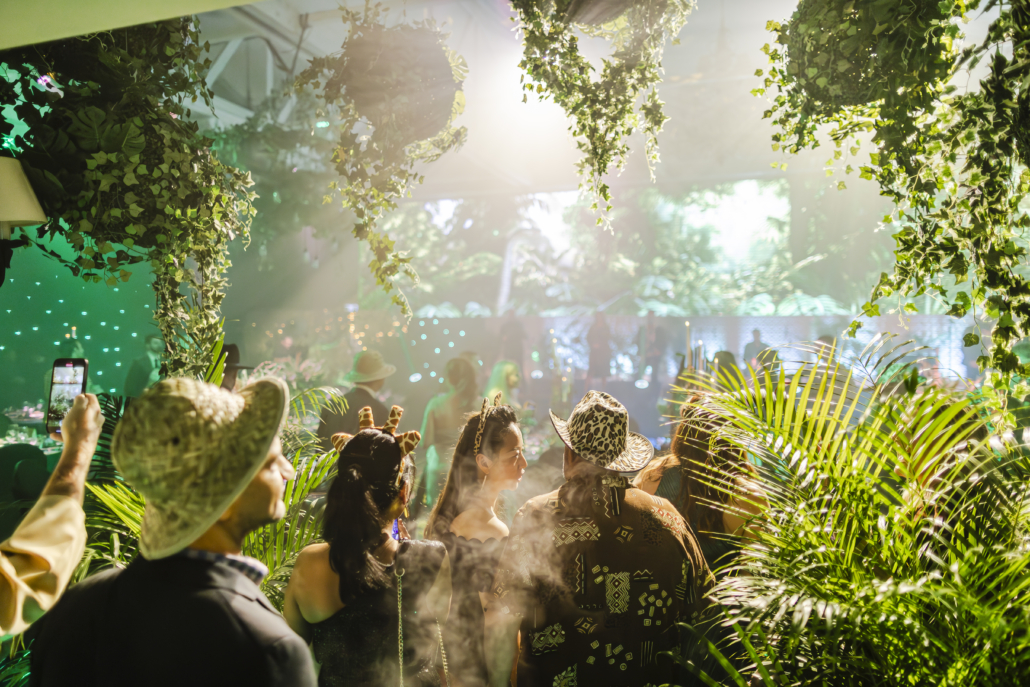
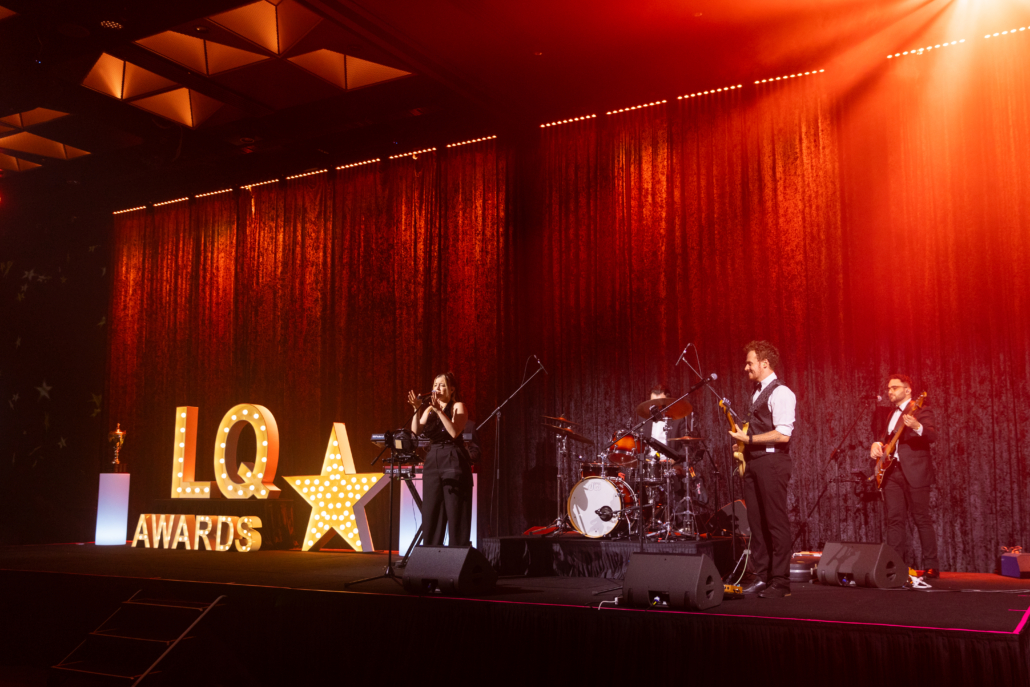
Audience profile should guide your entertainment decisions. Ask whether you are hosting executives, employees, clients, partners or families; the more diverse the group, the more important clean content and broad appeal become. Tailor entertainment to the format of your event, awards banquets, receptions and trade shows each favour different types of acts, from stage shows and emcees to roving performers and interactive experiences.
Corporate planners advise mixing experience levels and offering multiple options for different age groups. Real‑time feedback from previous events helps you refine your selection. Remember to consider remote participants if your event is hybrid: choose entertainment that can adapt to both in‑person and virtual audiences.
3. Match entertainment to goals, format and technology
Once you know your objectives and audience, choose entertainment that supports them. Categories and trends shaping 2026 include:
-
Immersive and interactive experiences: AR/VR activations let teams explore 3D models or climb virtual peaks together. Interactive zones feature art that changes as people move or puzzles that encourage collaboration. These high-tech experiences engage attendees more deeply than passive viewing.
-
AI‑powered entertainment: Artificial intelligence is transforming events. AI hosts can adjust a program’s schedule based on audience energy, and AI systems can recommend personalised experiences.
-
Wellness-focused activities: Mindfulness corners, sound baths, yoga sessions and breathwork breaks help guests recharge. Such programmes support employee wellbeing and keep attention levels high.
-
Sustainable and eco‑friendly options: Zero‑waste installations using recycled art and solar‑powered performances demonstrate your commitment to the planet.
-
Hybrid-friendly acts: Choose performers who can engage both in‑room and remote audiences. Interactive livestream activities—polls, Q&A, and virtual games—keep online participants connected. Investing in reliable streaming hardware ensures virtual attendees have a quality experience.
-
Experience-based networking: Gamified networking sessions and team missions turn introductions into collaborative challenges, helping attendees form meaningful connections.
-
Culturally inspired performances: Multicultural ensembles and inclusive storytelling celebrate diversity and enrich your event.
-
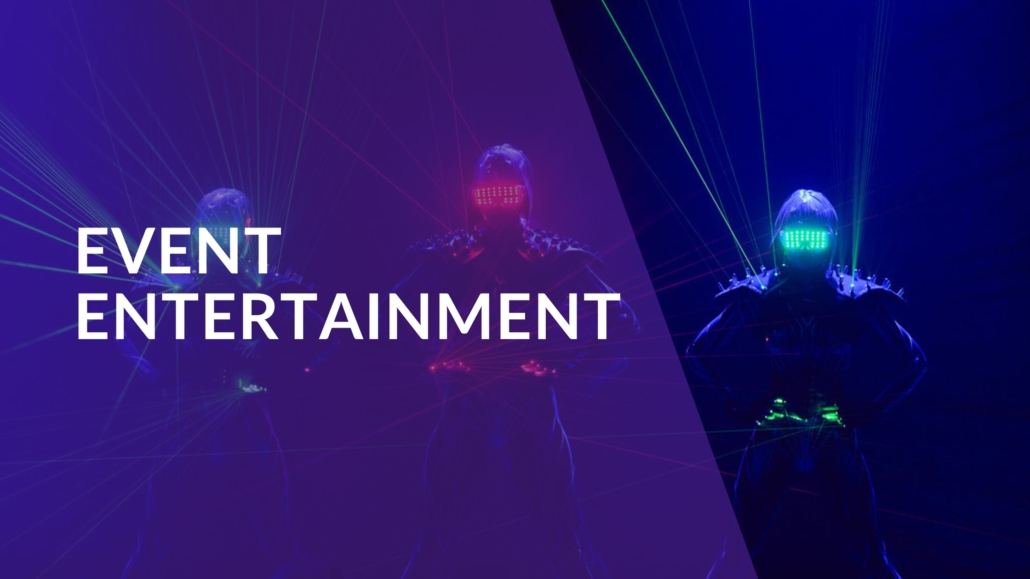
Tech-driven shows: Drone light displays and holographic performances offer wow factor and create shareable moments.
-
Personalised entertainment zones: Customisable photo and video booths give attendees the chance to capture memorable moments their way, while theme‑based DIY stations let them create unique souvenirs.
AVPartners’ Event Technology team can recommend cutting‑edge equipment and help you integrate AR/VR activations, immersive lighting and interactive displays into your programme.
4. Set a realistic budget and vet your vendors
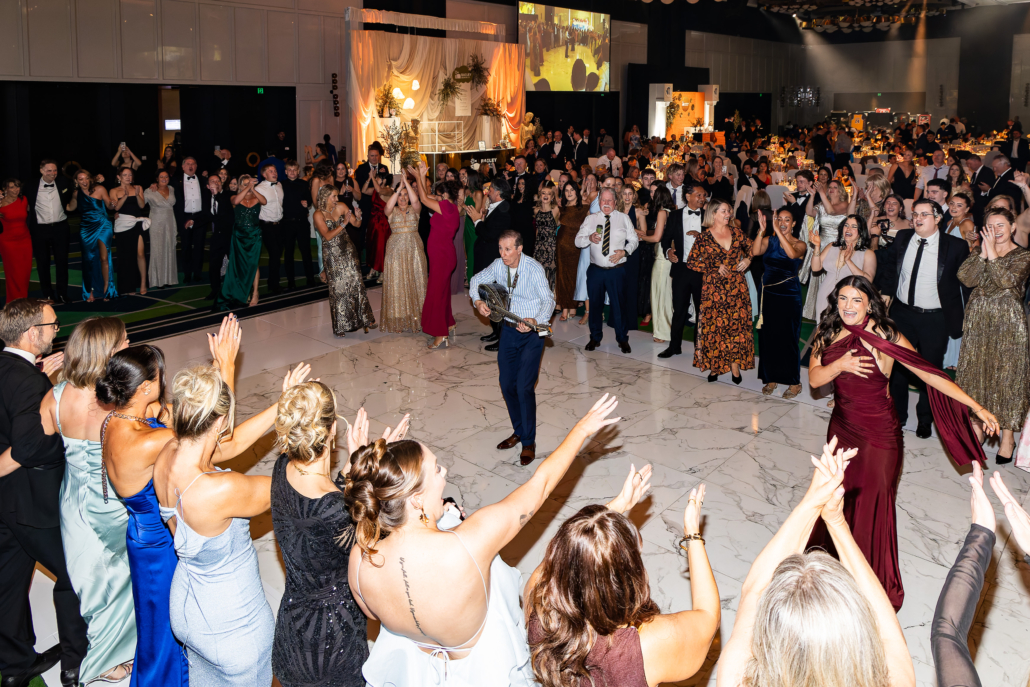
Entertainment pricing varies widely. Determine your budget range early so agencies can recommend appropriate talent and production. When vetting acts, watch full‑length videos—highlight reels might miss pacing and audience interaction. Look for performers with corporate experience and ask about their ability to customise content for your company or event theme.
Discuss logistics in detail: staging, audiovisual needs, rehearsal times and load‑in schedules. A professional contract should outline performance length, content expectations, technical requirements and cancellation terms. Book earl, prime dates for popular acts fill months in advance.
5. Plan logistics, gather feedback and measure success
Work closely with your audiovisual team to design a stage setup that supports your entertainment. Confirm microphone types, lighting schemes and camera angles to enhance both on‑site and streaming experiences. Test all equipment and have back‑ups ready.
After the event, collect feedback from attendees and entertainment providers. Ask what resonated and what could improve. Evaluate metrics such as audience participation, social media buzz and post‑event surveys to gauge ROI. This data helps you refine future entertainment choices and ensures continuous improvement.
Conclusion
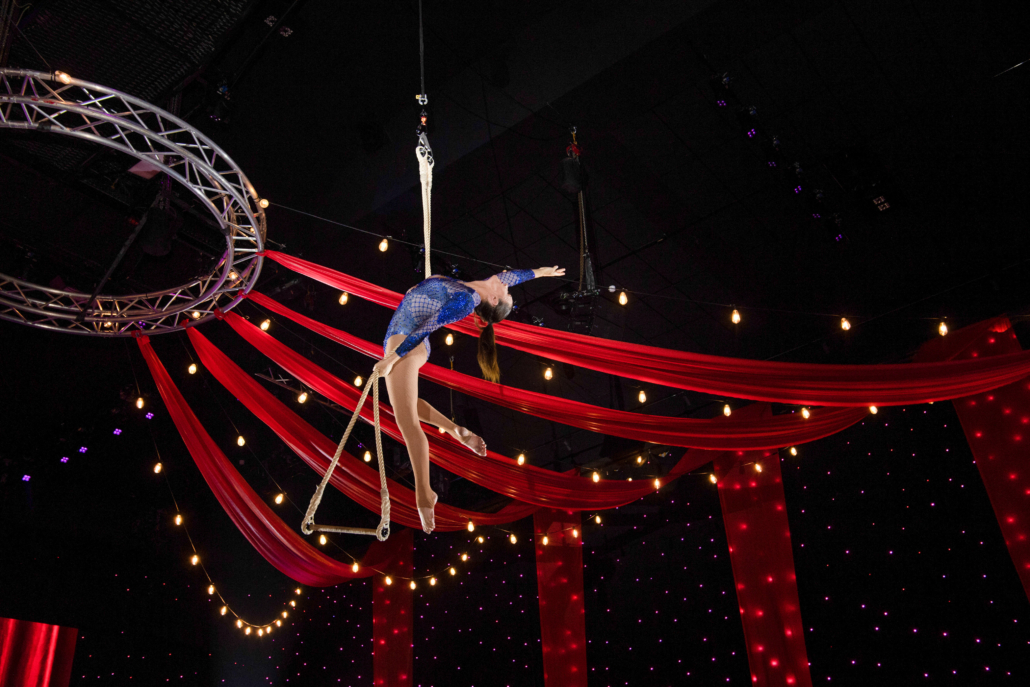
Choosing event entertainment in 2026 involves more than hiring a band or DJ. It requires a strategic approach that aligns with your goals, resonates with your audience, leverages cutting‑edge technology and reflects your brand values. By defining clear objectives, understanding your guests, embracing emerging entertainment trends, setting an informed budget and planning logistics carefully, you’ll create unforgettable experiences that spark conversation and reinforce your message.
For expert advice and tailored solutions, explore AVPartners’ Event Technology and Event Theming, Staging & Styling services, or get in touch via our Contact page. Together we can design entertainment that captivates your audience and delivers lasting impact.