Tag Archive for: AV partners

Smartphone being used by attendee at conference
Smartphones have become indispensable in our daily lives. They help us shop, navigate, communicate and remember important dates. At events, however, their role is more complicated. On the one hand, mobile devices can distract delegates and reduce face‑to‑face interaction. On the other, powerful event apps and mobile tools enable real‑time updates, personalised agendas and stronger networking. With new event technology trends emerging for 2026, event planners must decide whether smartphones help or hinder their objectives and how to strike the right balance.

The downside: distraction and digital fatigue

Smartphone use has exploded in recent years. A Gallup survey shows that the percentage of U.S. adults who believe they use their phones too much jumped from 39 percent in 2015 to 58 percent in 2022. Excessive screen time can harm relationships and reduce engagement; meeting participants who repeatedly check their phones may break eye contact and disengage from discussions. Research by the University at Albany found that mobile phone distractions significantly reduce learning and recall in young adults. In events, constant notifications and social media updates can cause attendees to miss key insights or sessions.

Beyond distraction, digital fatigue is growing. A 2025 study estimates that over 1.58 billion people worldwide experience some level of smartphone addictions. Smartphones can pull attendees’ attention away from live presentations and networking opportunities, diminishing the value of in‑person connections.

The upside: mobile tools that enhance events

Despite the risks, smartphones play an important role in modern events. Mobile event apps centralise schedules, ticketing and communications, giving planners and attendees a single source of truth. When an event app is used, the schedule is always up to date and accessible, reducing confusion and last‑minute questions. Real‑time push notifications help attendees navigate unexpected changes such as speaker delays or room moves. QR code check‑in speeds up entry, eliminates long queues and improves record‑keeping.

Mobile apps also empower personalised experiences. Attendees can build their own agendas, select the sessions that matter to them and receive recommendations based on interests. Networking tools inside apps allow delegates to connect with peers and schedule one‑to‑one meetings. Event organisers benefit from immediate feedback and richer data; integrated feedback forms and polling enable real‑time engagement and improvement. These tools turn events into sources of first‑party data that can inform future planning.

2026 trends: more intelligent, personalised and immersive

Event technology is evolving rapidly, and smartphones sit at the centre of many emerging trends. In 2026, mobile messaging and in‑app notifications are supplanting generic emails; SMS, rich communication services and app alerts deliver higher engagement and reduce no‑shows. AI‑powered event apps provide smart registration, AI‑generated agendas and targeted notifications. Attendees expect hyper‑personalised experiences, from tailored agendas to session recommendations based on their behaviour and preferences. Gen Z delegates, who value authenticity and bite‑sized experiences, demand intuitive mobile interfaces and gamified interactions.

At the same time, there is a growing movement toward balancing digital engagement with offline experiences. The Offline Club, a community founded in the Netherlands, creates phone‑free spaces where people can talk, read or play games. Rising numbers of meeting participants say immersive experiences and shared analog moments create more memorable events. Some event designers are reintroducing analogue interactions—such as hand‑cranked ballot balloons for audience polls—to encourage attendees to look up from their screens. The key is to keep smartphones as tools rather than destinations.

Strategies for mindful smartphone integration

To harness smartphones effectively while minimising distractions, consider these strategies:

  1. Set expectations and provide guidelines. Communicate your event’s mobile policy early. Encourage attendees to use event apps for schedules and networking but ask them to mute notifications during sessions. Outline digital etiquette in your pre‑event communications and remind delegates to focus on live speakers.
  2. Use event apps to simplify logistics. Choose a robust mobile event platform that centralises registration, agenda building, venue maps and networking tools. Look for features like push notifications, personalised agendas and QR code check‑ins. Encourage attendees to build their own schedules and offer real‑time updates through the app.
  3. Create phone‑free zones and moments. Designate specific areas or time blocks for offline interaction. For example, consider a phone‑free luncheon or workshop where attendees can connect without distractions. Encourage analog activities such as facilitated networking games, physical polls or interactive installations to foster meaningful interaction.
  4. Leverage mobile marketing and social media wisely. Smartphones offer powerful marketing channels. Encourage attendees to share photos and insights using your event hashtag; this amplifies reach and builds online buzz. However, avoid encouraging constant phone use during sessions. Provide designated times—such as breaks or networking receptions—for capturing and sharing content.
  5. Prioritise data privacy and accessibility. With increased use of mobile apps, compliance and security are critical. Ensure your app meets privacy regulations and offers accessible design options such as captions and screen reader compatibility. Communicate how attendee data will be used and offer opt‑in consent for marketing communications.

Applying these insights with AVPartners

AVPartners offers state‑of‑the‑art event technology solutions that integrate seamlessly with mobile event apps, enabling features like hybrid streaming, real‑time updates and interactive polls. Our team can also design theming, staging and styling elements that complement mobile‑driven experiences and create dedicated phone‑free zones.

For virtual or hybrid events, our live streaming services ensure remote participants receive the same high‑quality content delivered via their devices. To discuss strategies for integrating smartphones into your next event, contact us today.

Conclusion

In 2026, smartphones are neither wholly friend nor foe to event planners. They can distract delegates and contribute to digital fatigue, yet they also unlock powerful tools for scheduling, networking and personalised engagement. The key is mindful integration: use mobile apps to improve logistics, personalise journeys and collect rich data, while balancing digital interaction with offline experiences. With careful planning and the right technology partner, smartphones can enhance your events and drive stronger outcomes.
Motorised kinetic lighting fixtures event lighting 2026
Lighting is more than illumination; it sets the mood, reinforces your theme and guides guests through an event. As event technology evolves, lighting designers are embracing lasers, kinetic lighting and other innovations to transform corporate gatherings into immersive experiences. In 2026, lighting design incorporates both functional and creative elements to capture attention and convey brand messages. This guide explains how different lighting types contribute to a memorable corporate event and highlights new trends such as programmable lasers and kinetic lighting.

Room effects and architectural lighting

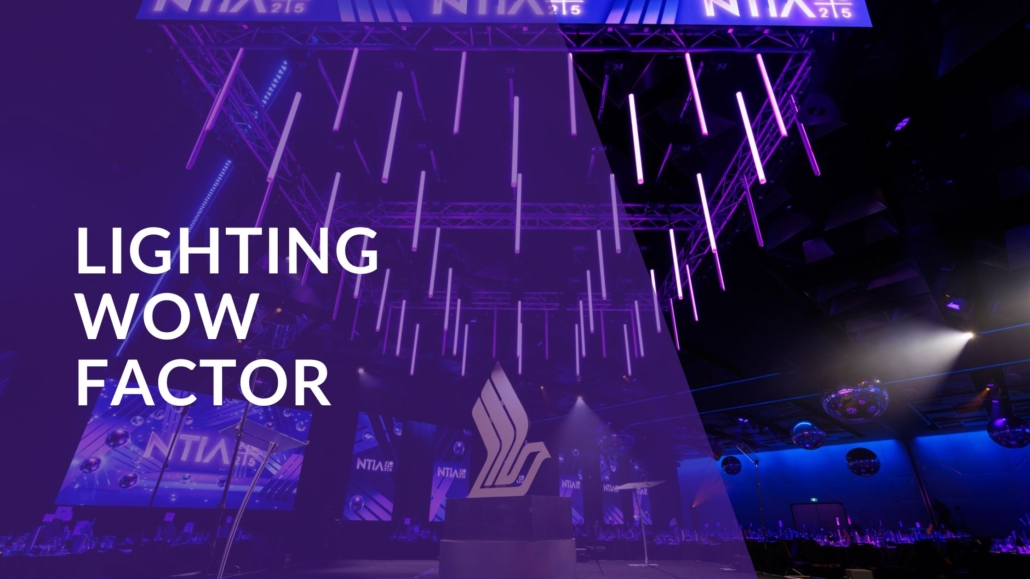
Colour‑changing LED lights and intelligent moving head fixtures can dramatically alter the look and feel of ballrooms and conference spaces. These fixtures are controlled via a lighting console, allowing designers to program multiple looks for different moments: walk‑in, formalities, meal service, awards presentations and party segments. Intelligent moving heads adjust colour, pattern, intensity, angle and direction in sync with the music, creating dynamic atmosphere. Kinetic lighting systems take movement further by integrating motorised fixtures that rise, lower and shift in real time; they create immersive displays that react to music or video content. When paired with DMX and Art‑Net control, kinetic lights offer full‑spectrum colour control and precise synchronisation with your program.

Band, entertainment and dance floor lighting

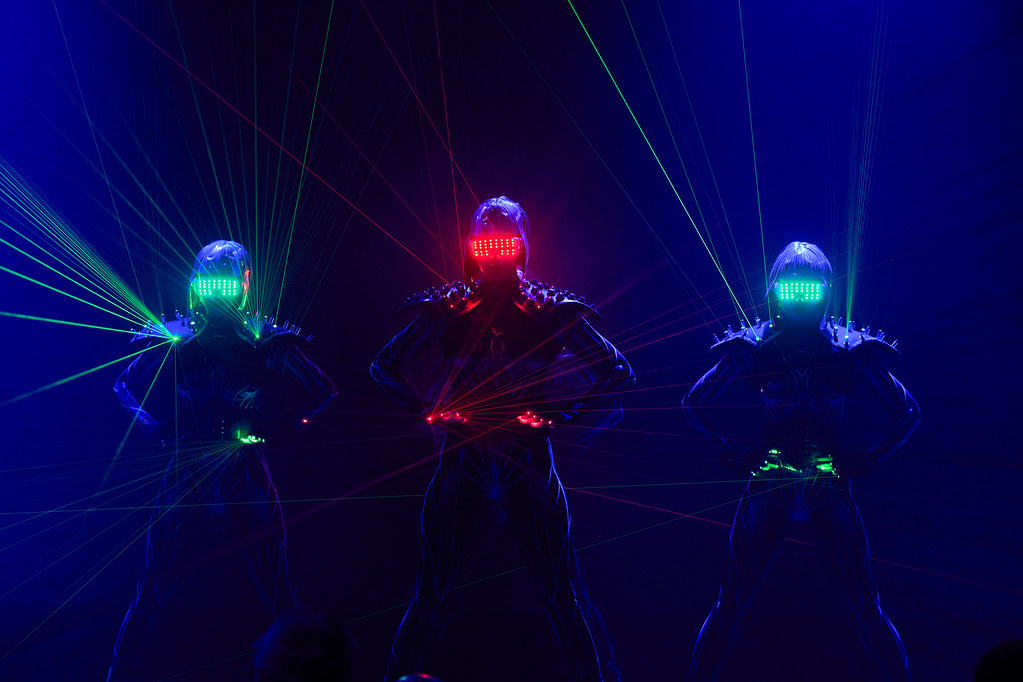
Live entertainment benefits from programmable lighting that can track performers and enhance the beat. Intelligent moving head fixtures and wash lights are commonly used to illuminate bands and dance floors, with operators altering colour and movement to match the rhythm. Lasers have become a staple in live performances, producing jaw‑dropping visuals that pulse in harmony with music. Modern RGB lasers provide vibrant hues and can be mapped by artificial intelligence to sync patterns with audio and stage movements. For high‑energy segments, kinetic lights can shift positions to heighten the drama. If you want to add corporate branding, consider laser projection mapping that projects logos or animations onto walls or ceilings; new laser systems include wireless controls and app integration for effortless customisation.

Performer and stage lighting

To ensure performers are always visible, follow‑spot lights remain essential. Skilled operators fade the light in and out and adjust the beam size to keep the spotlight steady and unobtrusive. On wider stages, profile spotlights focus on presenters or banners, while Fresnel fixtures wash larger areas for presenters who roam. Kinetic lighting adds movement and depth to stage design; motorised fixtures can create patterns or formations that complement the presenter’s message. Programmable lasers offer additional flair, with vibrant beams and patterns that add drama to theatrical sequences or product launches.

Prop and theme lighting

Well‑placed lighting highlights décor, props and styling elements, elevating the event’s theme. Coloured LED PAR cans are versatile for lighting centrepieces or thematic installations. For events seeking a futuristic edge, zero‑waste LED installations and eco‑conscious performances demonstrate environmental commitment. Kinetic lighting systems can be configured into custom shapes or patterns to match your them. Lasers can project animations or brand imagery onto surfaces, providing unique sponsor exposure and reinforcing your message.

Projected and pinspot lighting

Projecting a company or sponsor logo through a gobo onto walls or floors is an alternative to screen‑based sponsorship. New laser systems offer high‑resolution projection capabilities with adjustable beam angles and pattern speeds. Pinspot lighting enhances table settings and centrepieces; intelligent pinspot fixtures allow operators to change table colours throughout the evening, adding unexpected wow factor. Combining pinspots with kinetic lighting overhead can create layered visual effects that transform the room.

Emerging techniques: lasers and kinetic lighting

Lasers and kinetic lighting represent cutting‑edge additions to corporate events. Innovations include brighter and energy‑efficient laser diodes, enhanced colour precision and AI‑driven mapping that synchronises patterns with musi. Wireless integration and app controls make it easier than ever to adjust laser settings in real tim. Beyond concerts, lasers are now used in architectural lighting to project animations onto buildings and landmarks and in theatrical productions to add depth and emotion to scenes.

Kinetic lighting systems incorporate motorised light fixtures that move vertically and horizontally, offering layers of depth and customizable shapes. These systems can be reconfigured to suit different themes and controlled via cloud‑based platforms, enabling designers to program complex sequences remotely. Kinetic lights often use energy‑efficient LED technology and low‑power motors.

Lighting techniques and design considerations

Lighting designers use techniques such as uplighting, downlighting, spotlighting and backlighting to achieve desired looks. Combining static washes with moving fixtures allows for smooth transitions between segments. Kinetic and laser elements should be integrated thoughtfully to avoid overpowering the event’s content. Work closely with your audiovisual partner to develop lighting states for each part of the program, ensuring the right balance between functional illumination and entertainment.

Conclusion

Lighting design can make or break a corporate event. By embracing innovations like lasers and kinetic lighting alongside classic fixtures, you can craft memorable experiences that align with your brand and engage guests. When planning your next event, collaborate with a reputable AV partner to explore how emerging lighting technologies can support your theme, energize your entertainment and leave a lasting impression on attendees. AVPartners’ Event Technology team offers expertise in lighting design, programming and new technologies, while our Event Theming, Staging & Styling services ensure a cohesive look across all elements. Contact us today to discuss how lighting can elevate your next corporate event.

Digital signage screen displaying event schedule in a hotel lobby

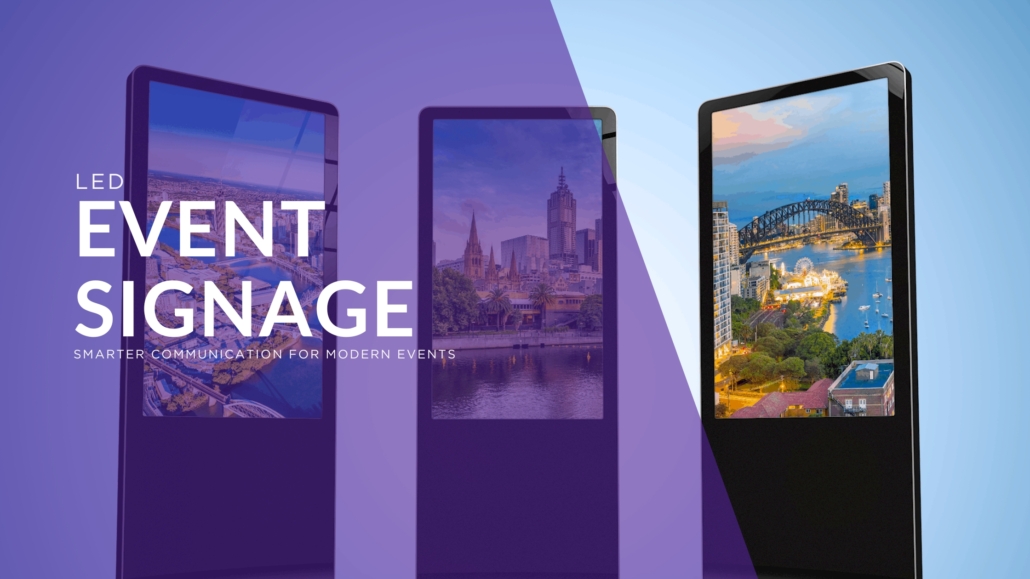
Digital signage has progressed beyond simple menu boards and flight information screens. In 2026 it is a dynamic, centrally controlled tool found in hotels, conference centres and exhibition halls across Australia and around the world. Advances such as foldable LED banners mean organisers can deploy bright, portable displays in high‑traffic areas. With the ability to update content across multiple spaces in real time, digital signage has become a must‑have for events. Surveys show that the main benefits go beyond technical efficiency: more than half of property managers say digital signage makes it easier for guests to get information and reduces stress when finding their way. This guide explains why digital signage is essential and how you can leverage it for your next event.

Supports back‑of‑house operations

Digital signage is as valuable behind the scenes as it is in public areas. Back‑of‑house screens can display room configurations, last‑minute seating adjustments, staff allocations and kitchen schedules. In a 2025 survey of property managers, 56 percent said digital signage made it convenient for guests to get information and 35 percent said it made building management easier. Because updates are instant, venue teams can respond quickly and accurately.

Modern systems integrate with broader audiovisual solutions. AVPartners’ Event Technology services allow real‑time control of multiple displays, sound systems and lighting in a single dashboard. As technology improves, back‑of‑house monitors can connect with front‑of‑house displays so that capacity changes or room switches are communicated without disrupting the guest experience.

Enhances the guest experience

Digital signage elevates the customer journey. Unlike static signs, digital screens show moving images, videos and live updates that attract attention and keep visitors engaged. Wayfinding screens in hotel lobbies and conference centres help attendees find registration desks, plenary rooms and breakout spaces. TouchSource data reveals that half of surveyed property managers believe digital signage makes it less stressful for visitors to find their destinations.

At events, digital wayfinding displays can show maps, arrows and last‑minute updates so participants move seamlessly between sessions. They can also display schedules, room information and digital menus. Digital menus are especially useful for conferences with restaurants or cafes, making it easy to change offers and manage queues. Modern signage also improves internal communication, allowing venues to share updates and key performance data with employees.

Delivers custom branded content

Digital signage offers powerful branding opportunities. Organisers can integrate event logos, sponsor promotions, custom animations and social media feeds into dynamic displays. Digital signage campaigns are proven to boost brand awareness because well‑placed screens drive customers to websites and social platforms. For events, digital displays can encourage user‑generated content by promoting hashtags and competitions. Advertising integrations provide new revenue streams by giving sponsors high‑visibility placements.

AVPartners can design custom content and visuals that suit your venue. Foldable LED banners are an emerging technology that allows organisers to deploy flexible, portable branding without printed signs.

Reduces resource use and increases efficiency

Digital signage reduces the environmental and financial costs of printed materials. Digital screens can be updated instantly across multiple locations, saving time and eliminating waste. Businesses that adopt digital signage save on printing, transportation and installation costs, while boosting marketing effectiveness and communication. Modern screens also use less energy, resulting in lower operational expenses. As entry costs drop, more companies are adopting digital signage; lower costs drive adoption and help businesses pair traditional and digital signage for a modern experience.

Digital signage improves workflow efficiency by automating content delivery. Organisations can update thousands of screens from a single device, ensuring that audiences always receive the latest information. During events, this capability means schedules, room allocations and sponsor messaging can be adjusted on the fly, without manual labour or reprinting.

Supports safety and emergency communication

Digital signage is also an essential safety tool. Screens can broadcast emergency alerts or evacuation messages within seconds. In large venues, this ability to deliver clear instructions quickly helps maintain order and ensures guests know where to go.

Conclusion

Digital signage is no longer a luxury; it is an integral part of modern event management. From reducing stress for visitors and improving wayfinding to increasing engagement and branding opportunities, it offers benefits that printed signs cannot match. It also reduces costs and environmental impact. If you want to transform your next conference, meeting or exhibition with smart signage, explore AVPartners’ LED displays or Contact our team for a tailored solution.