Tag Archive for: av technology

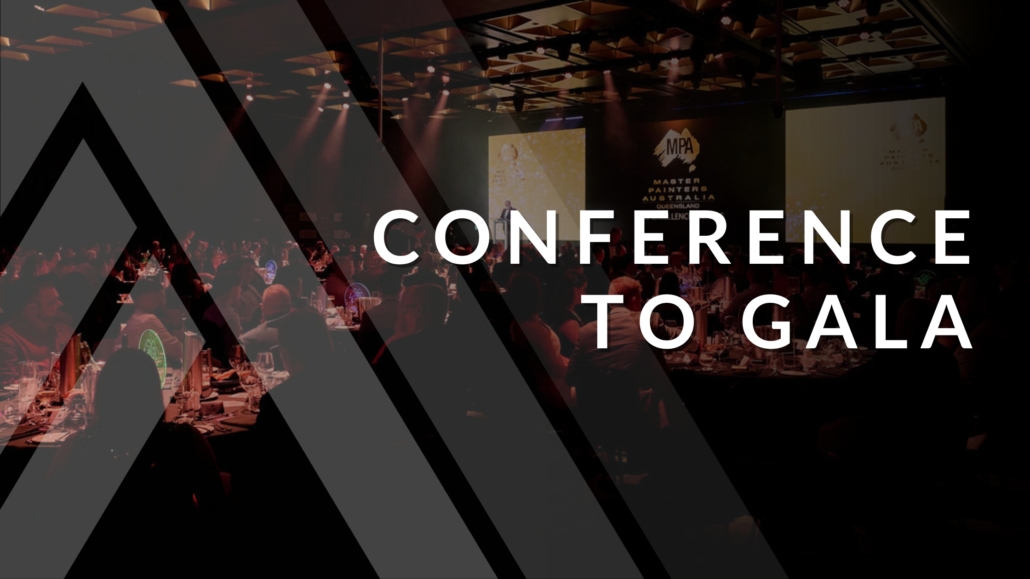
Celebrating achievement is one of the most memorable things an organisation can do. Award ceremonies honour hard‑working teams and individuals while boosting morale, elevating brand awareness and creating networking opportunities. Planning these nights takes time, and the timeline varies depending on the scale of your event. This guide outlines a clear planning schedule and budgeting advice for award ceremonies in 2026, drawing on research from event management experts.

Start with a vision: nine to twelve months out

Great award ceremonies begin with clear objectives and a team that is aligned on the event’s purpose. Identify whether you’re celebrating employees, industry leaders or community contributions, and set key success metrics. According to event planning guides, organisers should start preparations at least nine to twelve months before the ceremony. Establishing a committee at this stage allows you to map the scope, decide on award categories and confirm your budget and timeline. Consider whether you’ll host a black‑tie gala or a more casual luncheon; this decision will influence your budget and venue options.

Budgeting for Australian audiences

Setting a budget early helps you determine what’s feasible and informs ticket pricing and sponsorship packages. In 2026, expect catering costs for corporate events to range from about AUD 75 to 105 per person for standard meals and from around AUD 190 to 270 per person for formal dinners. Buffet meals may be more economical, falling between approximately AUD 40 and 98 per guest. Build in a 10–15 per cent contingency fund for unexpected expenses and prioritise spending on items that deliver the most value, such as venue quality, audiovisual production and guest experience.

Six months out: choose date, venue and application process

With your budget and purpose defined, select an appropriate date and venue about six months before the event. Visit potential venues in person, check for good lighting, sound quality and accessibility, and avoid clashes with public holidays or major industry events. At this stage, determine whether you will stream the ceremony for remote guests; robust internet connections and professional streaming support are essential for hybrid events. AVPartners’ Live Streaming & Hybrid Event Services provide broadcast‑grade streaming, interactive features and reliable connectivity for nationwide audiences.

Next, design your award categories and open nominations. For corporate or industry awards, create a downloadable form that outlines eligibility criteria, submission requirements and deadlines. Share this via your website and social channels, and allow at least three months to receive and review submissions so judges have sufficient time to deliberate.

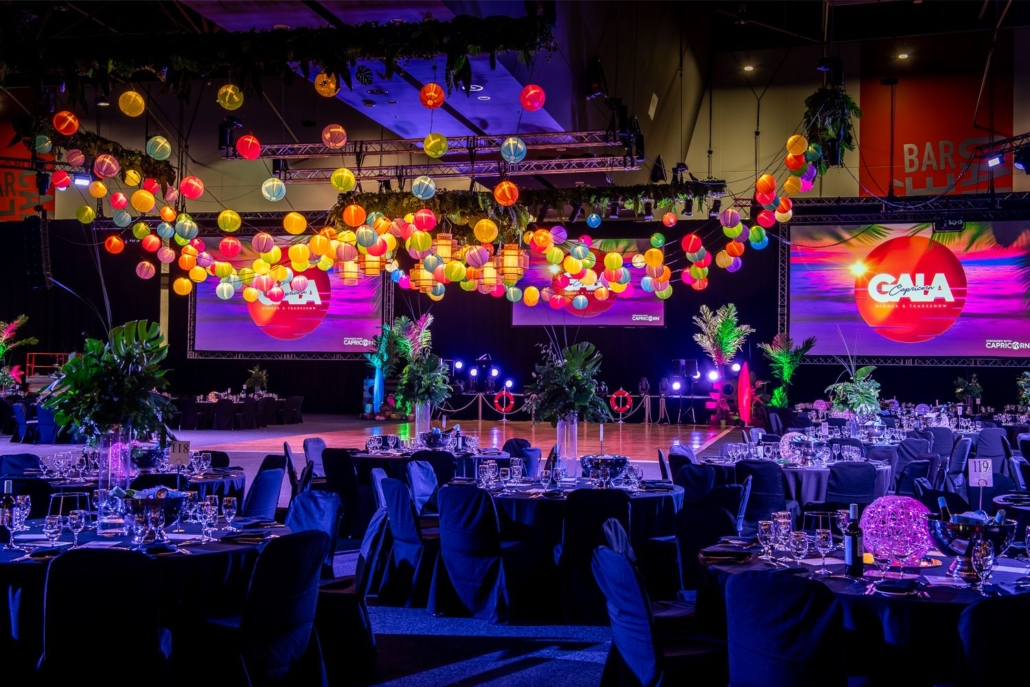
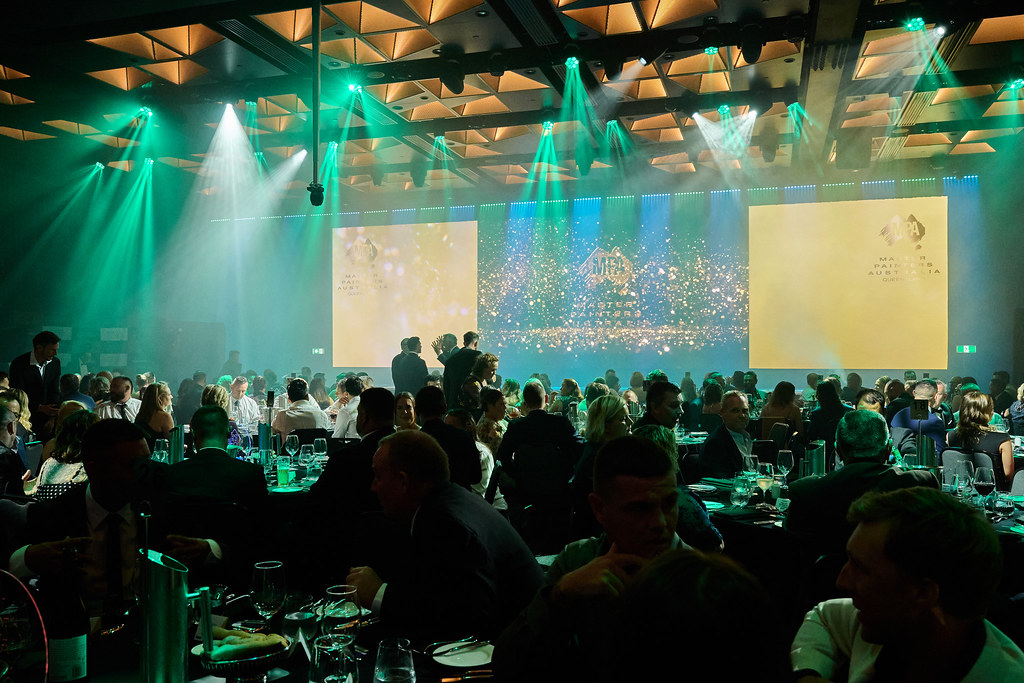
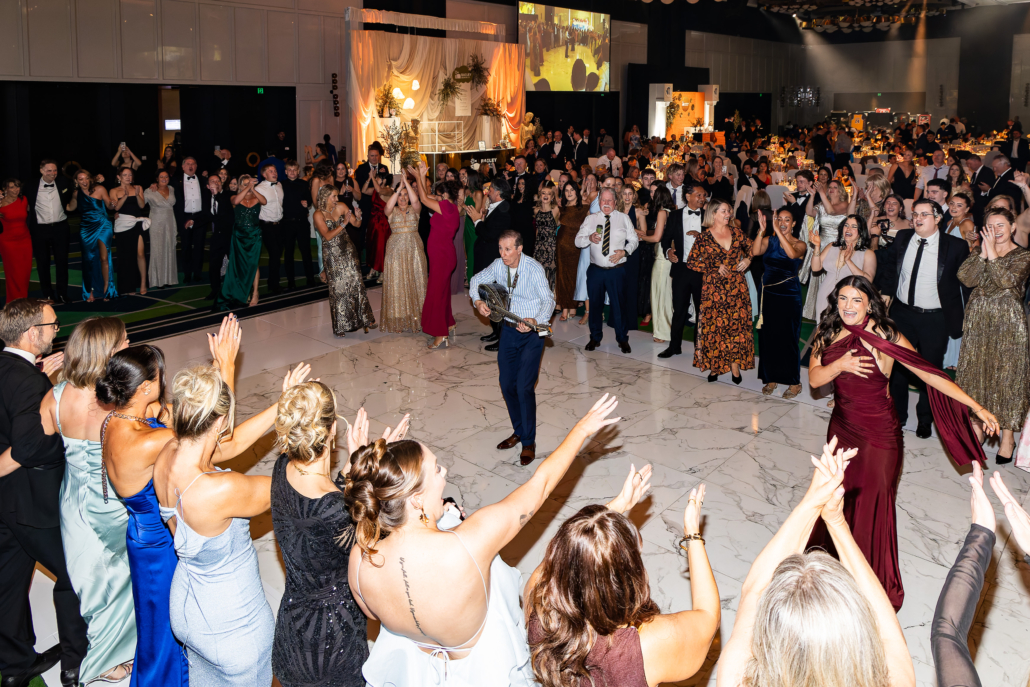
Guests enjoying dinner during an awards night in a decorated ballroom

Four months out: assemble your judging panel

A credible judging panel lends legitimacy to your ceremony and encourages quality submissions. Invite respected industry leaders, past winners or media representatives. Promote the judges’ involvement to build anticipation and attract applicants. Confirm their availability for the review period and ensure they understand the scoring criteria. Finalise your event’s theme and begin working with stylists to align décor, staging and branding elements. AVPartners’ Theming, Staging & Styling team can help you develop creative concepts and produce custom stage designs that reflect your vision.

Three months out: lock in production and catering

By the three‑month mark, contract your audiovisual partner and catering supplier. Determine whether you need a sit‑down dinner or a stand‑up networking format; this choice will shape menu selections and the flow of the program. Clarify audiovisual requirements such as microphones, screens and lighting—award ceremonies often require multiple cameras and live feeds to spotlight winners. Choose an engaging MC and decide how speeches will be delivered; consider limiting speeches to three minutes to maintain momentum.

Two months out: close nominations and invite VIPs

Two months before the ceremony, close your application window and provide judges with all submissions. Decide whether winners will be informed in advance or kept secret until the night. At this point, extend invitations to high‑profile guests and sponsors. Including industry leaders, council representatives and investors adds prestige and networking opportunities. Begin drafting your event program, including running order, entertainment segments and award intervals. Ensure presenters and performers have access to the venue for rehearsals. Keep refining your theme and décor, focusing on environmentally friendly touches such as recycled trophies or plant‑based menus.

One month out: finalise logistics and runsheet

Four weeks prior, confirm the final guest list, catering numbers and any dietary requirements. Place orders for decorations, trophies, signage and staff uniforms. Work with your AV provider to create a detailed runsheet—a minute‑by‑minute schedule of the ceremony that outlines awards, speeches, performances and intermissions. Share this document with all suppliers and staff to keep everyone aligned and allow time for questions and revisions. Remember that this schedule may evolve in the last weeks; update it as needed.

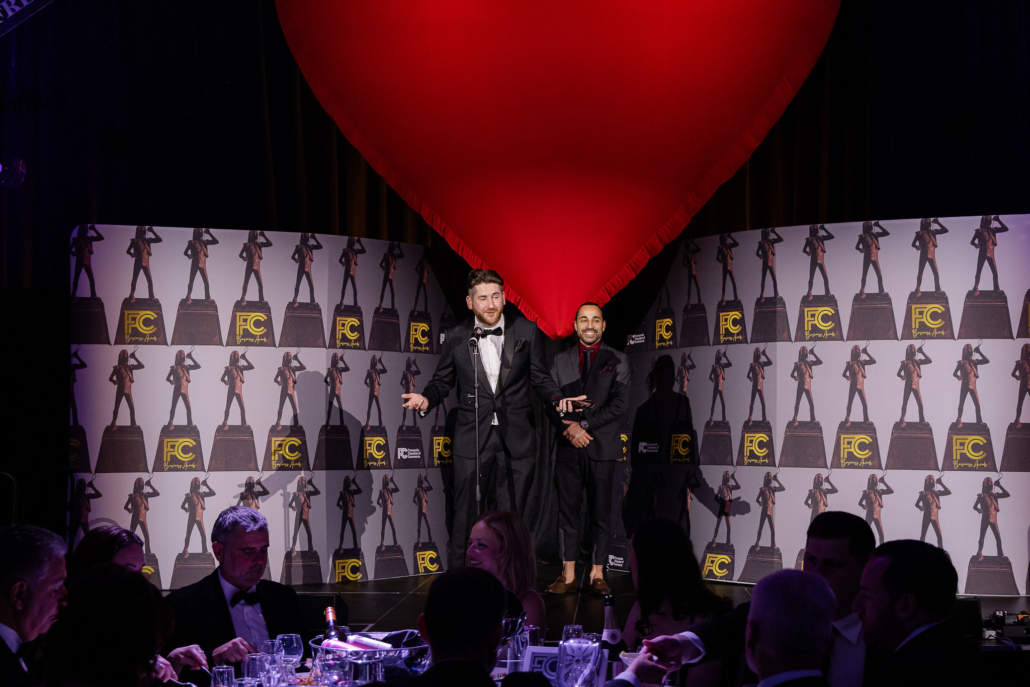
Awards ceremony winner gives an acceptance speech

Two weeks out: build excitement and test technology

In the fortnight leading up to the ceremony, launch a final marketing push. Announce shortlists, highlight your MC and judges, and showcase sponsors to build excitement. Use email newsletters, social media campaigns and press releases to encourage last‑minute registrations. Provide clear instructions about arrival times, dress code and parking to attendees.

On the day: deliver a memorable experience

On the day of the ceremony, arrive early to oversee setup and brief staff. Conduct a full technical rehearsal with your AV team to test microphones, cameras, lighting and streaming platforms. Ensure backup equipment is ready and that speakers and performers are comfortable with the stage layout. Follow your runsheet carefully but remain flexible for unforeseen changes. Provide clear signage and registration to help guests navigate the venue. Keep speeches concise and pace award presentations with entertainment or videos to maintain energy. After the ceremony, host a reception or networking session so attendees can celebrate and connect. Capture photos and videos of key moments and share them promptly on social media and your website. Collect feedback from guests, sponsors and team members to improve future events.

Conclusion: plan early, budget wisely and partner with experts

Award ceremonies celebrate achievement and inspire others to aim higher. Successful ceremonies are the result of months of careful planning, from defining your purpose and budget to selecting judges, securing venues and coordinating technical production. Start your planning at least nine months out, allocate resources thoughtfully and embrace technology to enhance both in‑person and virtual experiences. For creative multimedia content, consider AVPartners’ Multimedia Production services; for immersive theming and staging, explore our Theming, Staging & Styling expertise; and for hybrid events, leverage our Live Streaming and Hybrid Event Services. With a clear timeline, realistic budget and professional support, your 2026 awards night will be a memorable celebration of success.

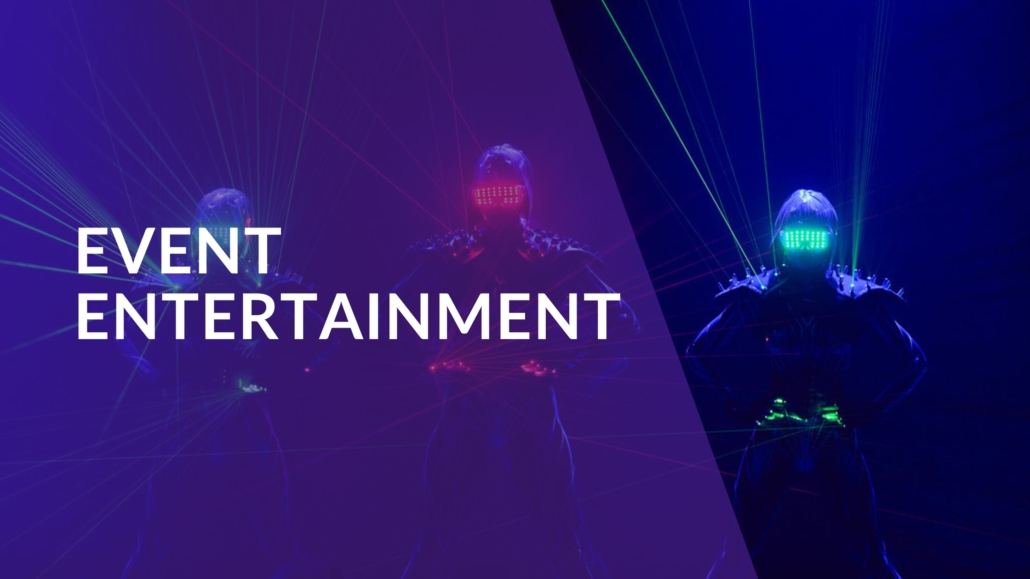
lasers used for event entertainment 2026

Entertainment remains one of the most effective ways to make a business event memorable and to amplify your brand’s impact. Immersive activations and interactive moments can be powerful: 64 per cent of attendees say immersive experiences are the most important driver of event satisfaction. In 2026, choosing event entertainment means balancing emerging technology, audience expectations and sustainable practices while still aligning with your business goals. This guide breaks down five key considerations to help you select entertainment that excites your guests and supports your objectives.

1. Define clear goals and a cohesive theme

Begin by clarifying what you want the entertainment to achieve. Are you energising a sales conference, celebrating a merger or creating an intimate networking environment? Entertainment should reinforce your event’s purpose rather than distract from it. Establishing a strong theme helps you weave your messaging, visuals and activities into a cohesive experience.

A clear theme also supports culture and engagement: it makes attendees feel part of something meaningful rather than just another meeting. Event planners recommend developing your theme before selecting entertainment. When your entertainment choices align with your message, for example, tying a company’s growth story to local butterfly migrations—every element reinforces your brand. AVPartners’ Event Theming, Staging & Styling service can help you create an integrated theme and design that ties your entertainment to the overall look and feel of your venue.

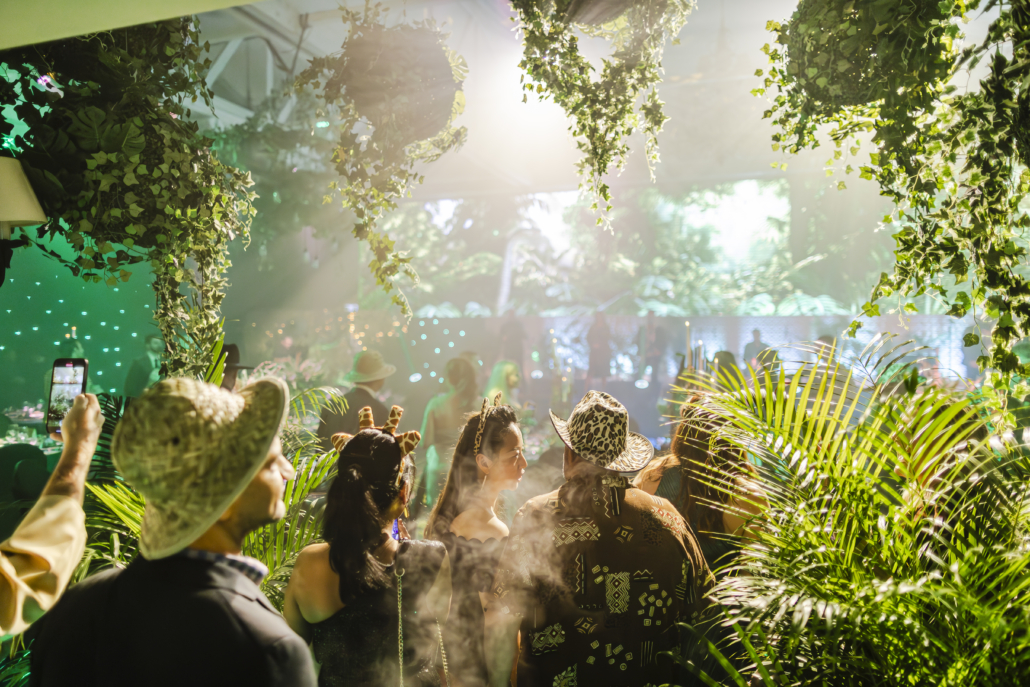
Guest enter jungle theme christmas party

2. Understand your audience and format

Audience profile should guide your entertainment decisions. Ask whether you are hosting executives, employees, clients, partners or families; the more diverse the group, the more important clean content and broad appeal become. Tailor entertainment to the format of your event, awards banquets, receptions and trade shows each favour different types of acts, from stage shows and emcees to roving performers and interactive experiences.

Corporate planners advise mixing experience levels and offering multiple options for different age groups. Real‑time feedback from previous events helps you refine your selection. Remember to consider remote participants if your event is hybrid: choose entertainment that can adapt to both in‑person and virtual audiences.

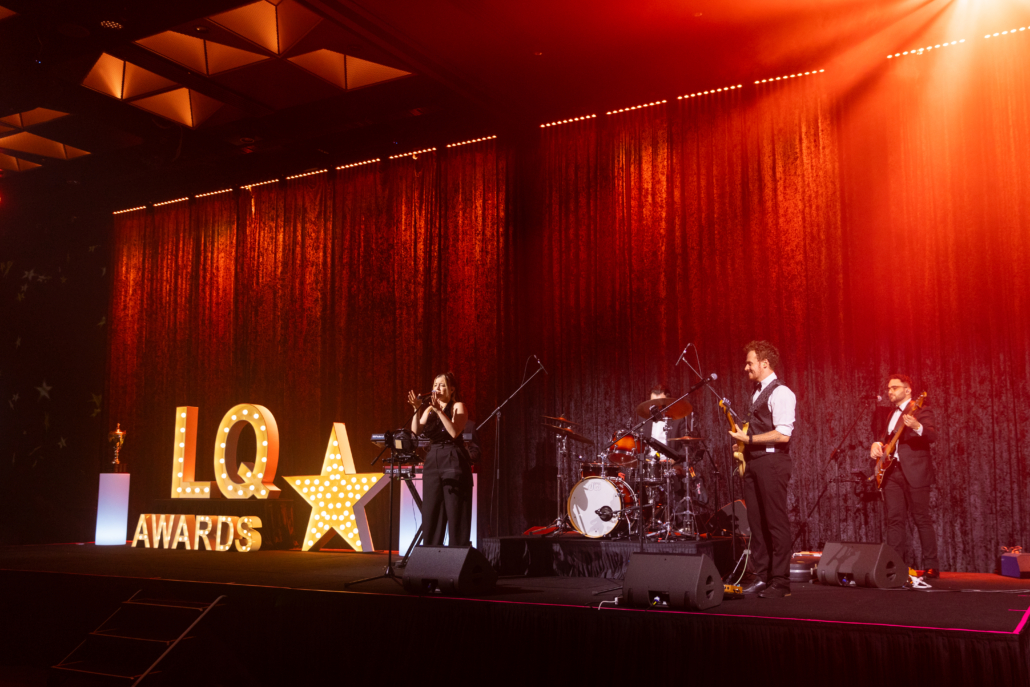
Live band event entertainment at gala dinner

3. Match entertainment to goals, format and technology

Once you know your objectives and audience, choose entertainment that supports them. Categories and trends shaping 2026 include:

  • Immersive and interactive experiences: AR/VR activations let teams explore 3D models or climb virtual peaks together. Interactive zones feature art that changes as people move or puzzles that encourage collaboration. These high-tech experiences engage attendees more deeply than passive viewing.

  • AI‑powered entertainment: Artificial intelligence is transforming events. AI hosts can adjust a program’s schedule based on audience energy, and AI systems can recommend personalised experiences.

  • Wellness-focused activities: Mindfulness corners, sound baths, yoga sessions and breathwork breaks help guests recharge. Such programmes support employee wellbeing and keep attention levels high.

  • Sustainable and eco‑friendly options: Zero‑waste installations using recycled art and solar‑powered performances demonstrate your commitment to the planet.

  • Hybrid-friendly acts: Choose performers who can engage both in‑room and remote audiences. Interactive livestream activities—polls, Q&A, and virtual games—keep online participants connected. Investing in reliable streaming hardware ensures virtual attendees have a quality experience.

  • Experience-based networking: Gamified networking sessions and team missions turn introductions into collaborative challenges, helping attendees form meaningful connections.

  • Culturally inspired performances: Multicultural ensembles and inclusive storytelling celebrate diversity and enrich your event.

  • Tech-driven shows: Drone light displays and holographic performances offer wow factor and create shareable moments.

  • Personalised entertainment zones: Customisable photo and video booths give attendees the chance to capture memorable moments their way, while theme‑based DIY stations let them create unique souvenirs.

AVPartners’ Event Technology team can recommend cutting‑edge equipment and help you integrate AR/VR activations, immersive lighting and interactive displays into your programme.

4. Set a realistic budget and vet your vendors

Entertainment pricing varies widely. Determine your budget range early so agencies can recommend appropriate talent and production. When vetting acts, watch full‑length videos—highlight reels might miss pacing and audience interaction. Look for performers with corporate experience and ask about their ability to customise content for your company or event theme.

Discuss logistics in detail: staging, audiovisual needs, rehearsal times and load‑in schedules. A professional contract should outline performance length, content expectations, technical requirements and cancellation terms. Book earl, prime dates for popular acts fill months in advance.

5. Plan logistics, gather feedback and measure success

Work closely with your audiovisual team to design a stage setup that supports your entertainment. Confirm microphone types, lighting schemes and camera angles to enhance both on‑site and streaming experiences. Test all equipment and have back‑ups ready.

After the event, collect feedback from attendees and entertainment providers. Ask what resonated and what could improve. Evaluate metrics such as audience participation, social media buzz and post‑event surveys to gauge ROI. This data helps you refine future entertainment choices and ensures continuous improvement.

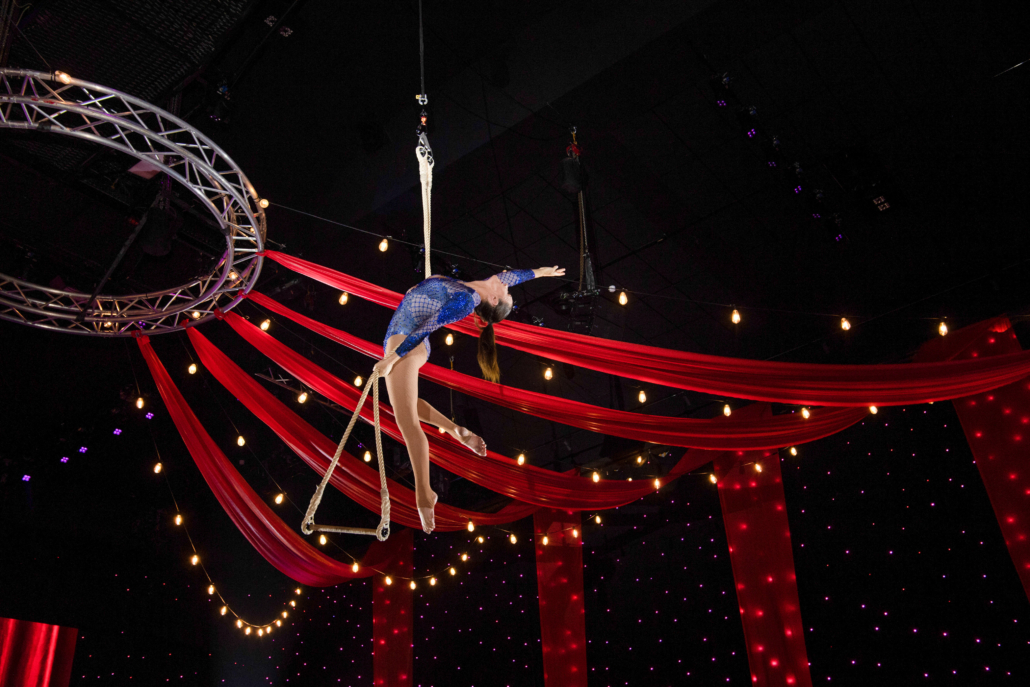
Aerial performer at an awards night gala dinner

Conclusion

Choosing event entertainment in 2026 involves more than hiring a band or DJ. It requires a strategic approach that aligns with your goals, resonates with your audience, leverages cutting‑edge technology and reflects your brand values. By defining clear objectives, understanding your guests, embracing emerging entertainment trends, setting an informed budget and planning logistics carefully, you’ll create unforgettable experiences that spark conversation and reinforce your message.

For expert advice and tailored solutions, explore AVPartners’ Event Technology and Event Theming, Staging & Styling services, or get in touch via our Contact page. Together we can design entertainment that captivates your audience and delivers lasting impact.

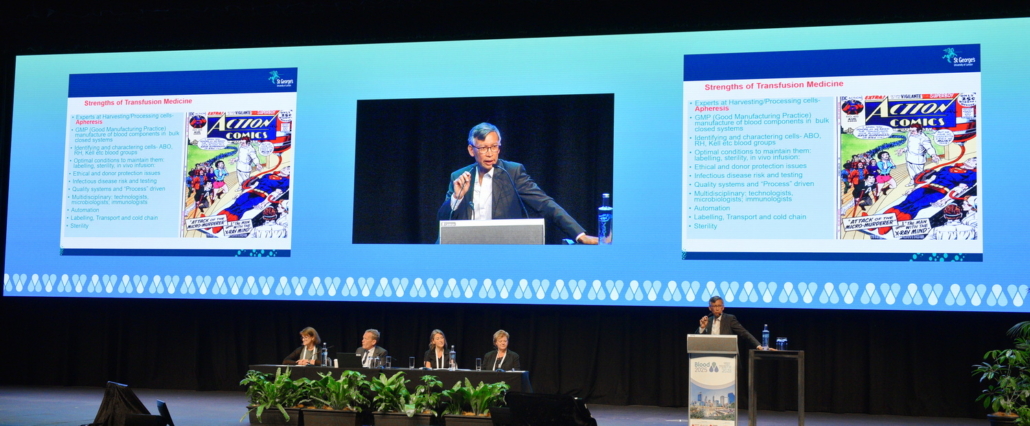
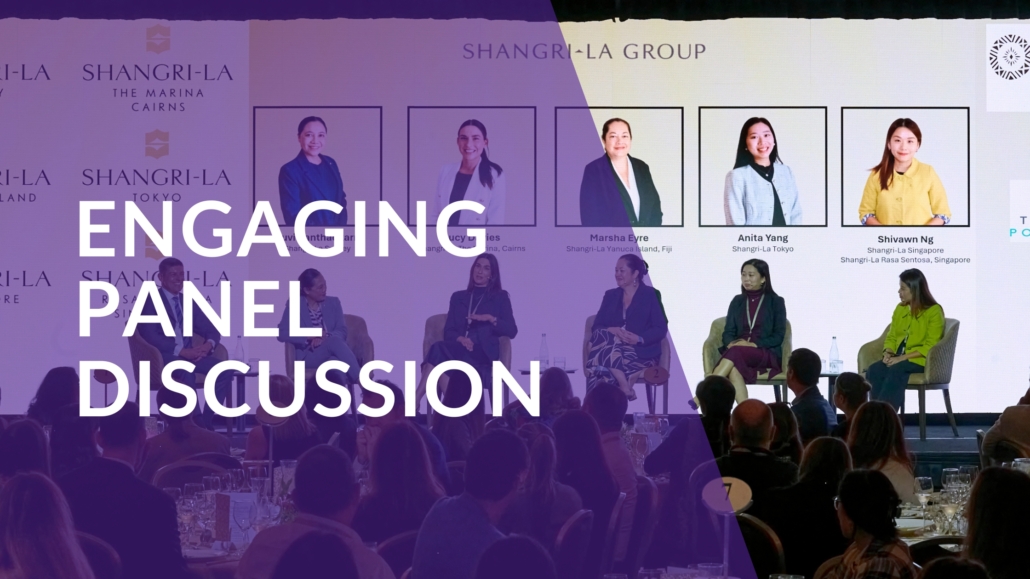
Moderator guiding a panel discussion with multiple microphones.
Panel discussions remain a powerful tool for knowledge sharing and thought leadership in 2026. They bring together experts to share diverse perspectives, provide real‑time audience interaction and offer a dynamic alternative to traditional keynotes. When done well, panels ignite conversation and leave attendees with practical insights. But without careful planning and skilled moderation, they can drag on and lose the audience’s attention. Here’s how to design a panel session that resonates with modern audiences.

Define your goals and choose a compelling topic

Successful panels start with clear objectives. Determine what you want attendees to learn and why the subject is relevant now. Look at industry trends, attendee challenges and questions from past events to choose a topic that sparks debate. In 2026, hot topics include sustainability, hybrid work, artificial intelligence and diversity initiatives. Align your topic with your event’s theme and overall goals.

Select diverse and knowledgeable panellists

Panel discussions thrive on multiple perspectives. Assemble a panel with varied expertise, professional backgrounds, demographics and viewpoints. Diversity isn’t just ethical; it helps your discussion resonate with more attendees. Look beyond industry leaders to include emerging voices, innovators and those representing underserved communities. Invite panellists well in advance, many speakers are booked months ahead. Consider having backup panellists on standby in case of last‑minute cancellations.

Choose an engaging moderator

A moderator introduces speakers, steers the conversation and keeps the energy high. Look for someone who is comfortable managing different personalities and can improvise when discussions go off script. A strong moderator knows when to ask deeper questions, interject if someone dominates the conversation and invite quieter panellists to contribute. They also facilitate audience engagement by encouraging questions and incorporating interactive elements.

Prepare and rehears, but don’t script

Share your questions and discussion flow with panellists ahead of time. Encourage them to prepare stories, data and examples rather than memorising answers. Provide an agenda that outlines the opening, key themes, audience Q&A and closing remarks. While you should rehearse transitions, keep the discussion flexible enough for natural dialogue. Encourage panellists to speak in their own voice and prepare backup questions to avoid awkward silences.

Design the format and flow

Decide on the right panel format, traditional Q&A, fireside chat, debate or roundtable, based on your goals. Map out the session’s structure: a brief introduction, a series of prepared questions, audience participation and a strong conclusion. Allocate time for each segment: give each panellist three to five minutes for opening remarks and 10‑15 minutes for moderated discussion per topic, leaving time for audience Q&A. Incorporate short breaks or polls between topics to maintain energy. Finish with clear takeaways so attendees leave with actionable insights.

Engage the audience throughout

Interactive panels keep attendees invested. Collect questions ahead of time or allow real‑time submissions via Q&A apps or index cards. Vet questions to avoid off‑topic or inappropriate queries. For virtual panels, use live polls, chat and breakout rooms to enhance participation. Encourage the moderator to acknowledge and address audience contributions during the discussion. Plan strategies for handling disruptive participants, mute or remove them in virtual sessions or have staff intervene in person.

Manage technology and logistics

Partner with a reputable AV provider to ensure flawless audio and visual delivery. Panellists should be easily seen and heard, whether on a stage or joining remotely. Work with your AV team to choose the right microphones (lapel, handheld or shared), lighting and camera angles. Test all equipment multiple times before the event, and have backup microphones and internet connections ready. AVPartners’ Event Technology services include stage design, lighting, sound and streaming capabilities tailored for panels. If your discussion is hybrid, our Virtual & Hybrid Event Services can integrate remote speakers and interactive features.

Promote and evaluate your panel

Start promotion early. Use social media, email campaigns and partner channels to highlight your panel’s topic and speakers. Create an event hashtag and share behind‑the‑scenes content to build excitement. For targeted marketing, collaborate with relevant organisations that share your audience. After the event, gather feedback from attendees and panellists using surveys to identify what worked well and what could improve. Measure engagement metrics like attendance numbers, average viewing time and Q&A participation. Use these insights to refine your next panel discussion.

Conclusion

A panel discussion is more than just a group of experts on stage. It’s an opportunity to provide multiple perspectives, foster dialogue and engage your audience. By setting clear goals, selecting diverse panellists, appointing an effective moderator and integrating interactive technology, you can deliver a memorable session. Planning ahead and working with professional AV partners like AVPartners will ensure your panel discussion aligns with 2026 event trends and leaves a lasting impression. To start designing your next panel, reach out via our contact page.