
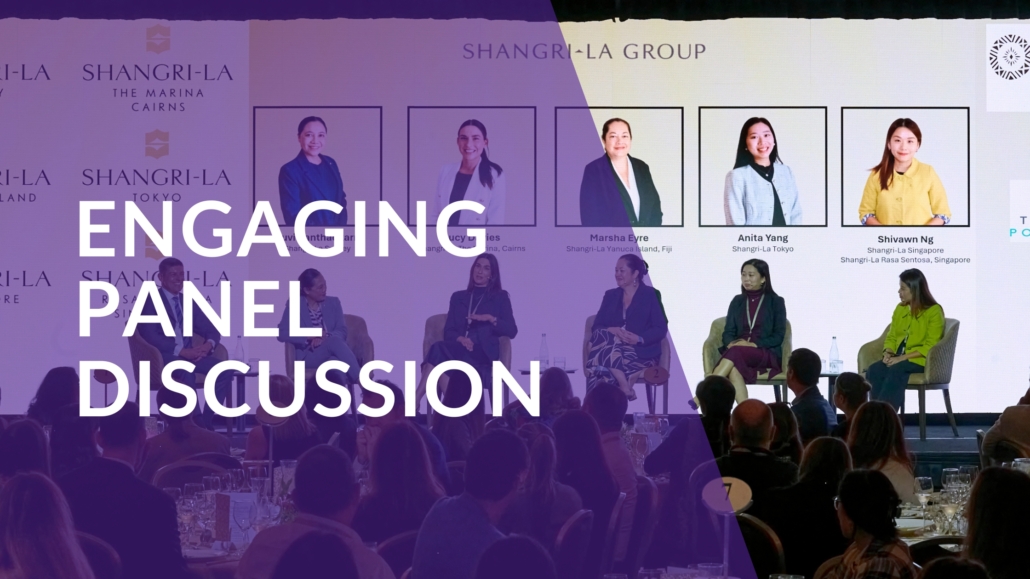
Panel discussions remain a powerful tool for knowledge sharing and thought leadership in 2026. They bring together experts to share diverse perspectives, provide real‑time audience interaction and offer a dynamic alternative to traditional keynotes. When done well, panels ignite conversation and leave attendees with practical insights. But without careful planning and skilled moderation, they can drag on and lose the audience’s attention. Here’s how to design a panel session that resonates with modern audiences.
Define your goals and choose a compelling topic
Successful panels start with clear objectives. Determine what you want attendees to learn and why the subject is relevant now. Look at industry trends, attendee challenges and questions from past events to choose a topic that sparks debate. In 2026, hot topics include sustainability, hybrid work, artificial intelligence and diversity initiatives. Align your topic with your event’s theme and overall goals.
Select diverse and knowledgeable panellists
Panel discussions thrive on multiple perspectives. Assemble a panel with varied expertise, professional backgrounds, demographics and viewpoints. Diversity isn’t just ethical; it helps your discussion resonate with more attendees. Look beyond industry leaders to include emerging voices, innovators and those representing underserved communities. Invite panellists well in advance, many speakers are booked months ahead. Consider having backup panellists on standby in case of last‑minute cancellations.
Choose an engaging moderator
A moderator introduces speakers, steers the conversation and keeps the energy high. Look for someone who is comfortable managing different personalities and can improvise when discussions go off script. A strong moderator knows when to ask deeper questions, interject if someone dominates the conversation and invite quieter panellists to contribute. They also facilitate audience engagement by encouraging questions and incorporating interactive elements.
Prepare and rehears, but don’t script
Share your questions and discussion flow with panellists ahead of time. Encourage them to prepare stories, data and examples rather than memorising answers. Provide an agenda that outlines the opening, key themes, audience Q&A and closing remarks. While you should rehearse transitions, keep the discussion flexible enough for natural dialogue. Encourage panellists to speak in their own voice and prepare backup questions to avoid awkward silences.
Design the format and flow
Decide on the right panel format, traditional Q&A, fireside chat, debate or roundtable, based on your goals. Map out the session’s structure: a brief introduction, a series of prepared questions, audience participation and a strong conclusion. Allocate time for each segment: give each panellist three to five minutes for opening remarks and 10‑15 minutes for moderated discussion per topic, leaving time for audience Q&A. Incorporate short breaks or polls between topics to maintain energy. Finish with clear takeaways so attendees leave with actionable insights.
Engage the audience throughout
Interactive panels keep attendees invested. Collect questions ahead of time or allow real‑time submissions via Q&A apps or index cards. Vet questions to avoid off‑topic or inappropriate queries. For virtual panels, use live polls, chat and breakout rooms to enhance participation. Encourage the moderator to acknowledge and address audience contributions during the discussion. Plan strategies for handling disruptive participants, mute or remove them in virtual sessions or have staff intervene in person.
Manage technology and logistics
Partner with a reputable AV provider to ensure flawless audio and visual delivery. Panellists should be easily seen and heard, whether on a stage or joining remotely. Work with your AV team to choose the right microphones (lapel, handheld or shared), lighting and camera angles. Test all equipment multiple times before the event, and have backup microphones and internet connections ready. AVPartners’ Event Technology services include stage design, lighting, sound and streaming capabilities tailored for panels. If your discussion is hybrid, our Virtual & Hybrid Event Services can integrate remote speakers and interactive features.
Promote and evaluate your panel
Start promotion early. Use social media, email campaigns and partner channels to highlight your panel’s topic and speakers. Create an event hashtag and share behind‑the‑scenes content to build excitement. For targeted marketing, collaborate with relevant organisations that share your audience. After the event, gather feedback from attendees and panellists using surveys to identify what worked well and what could improve. Measure engagement metrics like attendance numbers, average viewing time and Q&A participation. Use these insights to refine your next panel discussion.
Conclusion
A panel discussion is more than just a group of experts on stage. It’s an opportunity to provide multiple perspectives, foster dialogue and engage your audience. By setting clear goals, selecting diverse panellists, appointing an effective moderator and integrating interactive technology, you can deliver a memorable session. Planning ahead and working with professional AV partners like AVPartners will ensure your panel discussion aligns with 2026 event trends and leaves a lasting impression. To start designing your next panel, reach out via our contact page.