Why In-Person Events Still Matter in a Digital-First Era
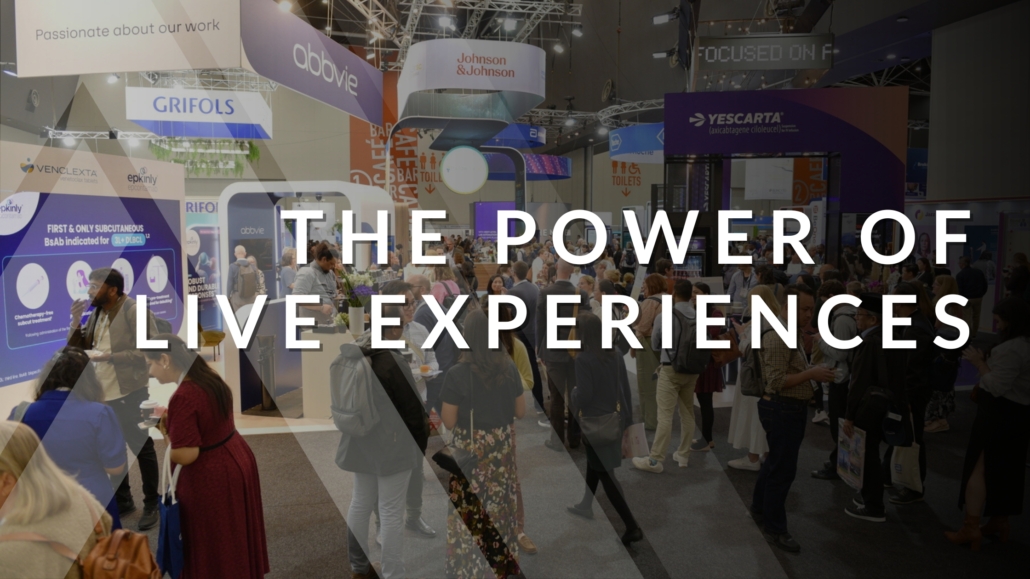
It was not long ago that marketers shifted budgets away from events and toward digital channels. Live experiences were seen as expensive, while email and social media offered seemingly free access to large audiences. Yet recent research shows the pendulum is swinging back. In a world dominated by automation and algorithms, people are craving authentic, human connection. The global events industry is projected to grow from 1.2 trillion dollars in 2025 to 1.35 trillion dollars in 2026, with expectations of reaching 2.1 trillion dollars by 2032. Seventy-four percent of Fortune 1000 marketers plan to increase their event budgets in 2026.
Digital marketing remains essential, but it should not replace live experiences. Conversion rates in digital channels are still low; two-thirds of marketers say their landing pages convert fewer than 10 percent of visitors, and average e-commerce conversion rates sit below 2 percent. In contrast, live events build trust, spark enthusiasm and encourage immediate action. Here is why events deserve a central place in your marketing strategy.
Events Build Trust and Influence
In-person experiences offer something digital simply cannot replicate: genuine, face-to-face connection. Research by the Harris Poll for Freeman found that 95 percent of attendees trust brands more after participating in a live event. Meanwhile, 71 percent of brands saw their reputation decline through other channels in 2024. The same study showed that 92 percent of working professionals feel live events positively influence their perception of a brand.
At a time when trust in media and social platforms is declining, the credibility created through in-person interaction is invaluable.
Immersive Content Engages the Senses
Events allow you to convey your message in an immersive way. Lighting, sound, visuals and staging work together to shape emotion and tell a compelling story. According to the Digital Marketing Institute, events deliver undivided attention and create meaningful human interaction in an omnichannel landscape. They also generate content assets for months to come, from keynote excerpts to attendee testimonials.
Event branding experts have found that immersive environments strengthen recall and increase engagement. Seventy-seven percent of B2B buyers are more likely to engage with brands that demonstrate understanding through personalised experiences. Consistent branding across touchpoints can lift revenue by up to 33 percent, and 91 percent of people report positive feelings about a brand after a well-executed event.
Higher Conversion Rates and Immediate Action
Live events capture attention at the right moment and drive decisions while interest is high. The Freeman Trust Report found that 87 percent of working professionals visited a brand’s website after attending an event, and 85 percent were more likely to make a purchase post-event.
Compare this with average digital conversion rates of 2.4 to 2.8 percent for email campaigns, and the value of in-person engagement becomes clear.
Events blend human interaction with dynamic audiovisual production to inspire confidence and encourage real-time conversion.
A Memorable Brand Experience
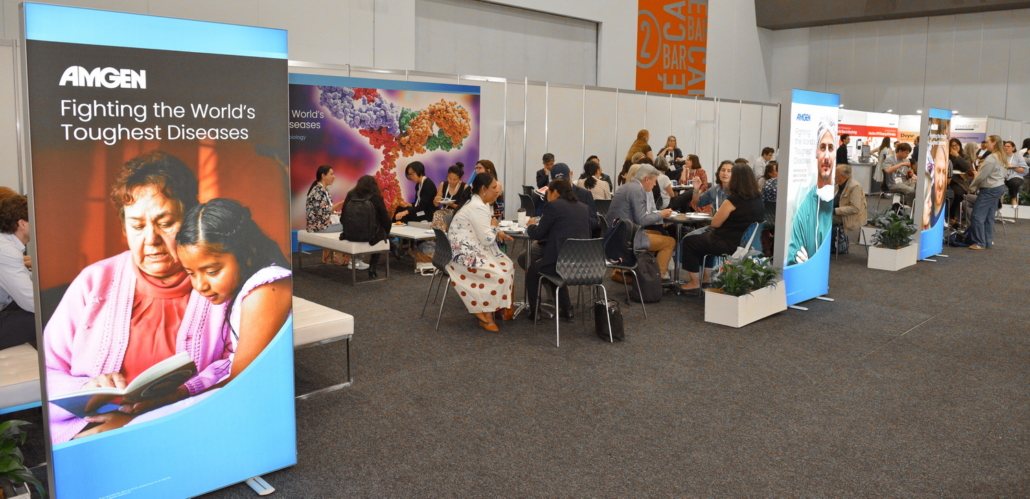
People remember how you make them feel. After attending a live event, 96 percent of guests report positive emotions such as feeling inspired, valued or energised. This emotional impact boosts brand sentiment and fuels organic word of mouth.
Seventy-seven percent of consumers say that live engagement increases their trust in a brand. This effect becomes even stronger when events use modern production tools such as LED walls, dynamic lighting and interactive installations. These elements elevate the experience and make your message more memorable.
Amplify Reach with Digital
The impact of live events multiplies when paired with digital channels. Encourage attendees to share photos, videos and insights through a branded hashtag. User-generated content creates buzz and expands your reach long after the event ends.
Recordings, highlight reels and speaker quotes can be repurposed into webinars, blog posts and social content. Hybrid and virtual formats still play a role, particularly for training or remote participation, but research suggests in-person should lead, with digital serving as an extension rather than a replacement.
Make Events Part of Your Marketing Strategy
Events are not a substitute for digital marketing; they are a high-value complement. Use digital tools to promote, extend and measure your event, while relying on face-to-face experiences to build trust and accelerate decision-making. Although events may require higher upfront investment, the long-term benefits often outweigh the cost through stronger engagement, higher conversions and improved customer loyalty.
Practical Tips for Marketers
Define clear objectives:
Identify whether your event is focused on awareness, lead generation or customer retention.
Know your audience:
Design personalised experiences tailored to the needs of your highest-value personas.
Invest in production quality:
Thoughtful staging, engaging speakers and strong audiovisual design elevate your brand.
Connect events with your content plan:
Capture content during the event and repurpose it across channels for extended impact.
Measure beyond ROI:
Track not only leads and sales but also trust, sentiment, retention and word of mouth. These reflect your return on objective.
Conclusion
Human connection remains the cornerstone of effective marketing. In-person events build trust, influence purchasing decisions and create memorable experiences. When combined with smart digital tactics, they amplify your message and deliver significantly higher returns than digital channels alone. If you are debating whether events belong in your marketing plan, consider the evidence: live experiences matter now more than ever.