Tag Archive for: event management

Celebrating achievement is one of the most memorable things an organisation can do. Award ceremonies honour hard‑working teams and individuals while boosting morale, elevating brand awareness and creating networking opportunities. Planning these nights takes time, and the timeline varies depending on the scale of your event. This guide outlines a clear planning schedule and budgeting advice for award ceremonies in 2026, drawing on research from event management experts.

Start with a vision: nine to twelve months out

Great award ceremonies begin with clear objectives and a team that is aligned on the event’s purpose. Identify whether you’re celebrating employees, industry leaders or community contributions, and set key success metrics. According to event planning guides, organisers should start preparations at least nine to twelve months before the ceremony. Establishing a committee at this stage allows you to map the scope, decide on award categories and confirm your budget and timeline. Consider whether you’ll host a black‑tie gala or a more casual luncheon; this decision will influence your budget and venue options.

Budgeting for Australian audiences

Setting a budget early helps you determine what’s feasible and informs ticket pricing and sponsorship packages. In 2026, expect catering costs for corporate events to range from about AUD 75 to 105 per person for standard meals and from around AUD 190 to 270 per person for formal dinners. Buffet meals may be more economical, falling between approximately AUD 40 and 98 per guest. Build in a 10–15 per cent contingency fund for unexpected expenses and prioritise spending on items that deliver the most value, such as venue quality, audiovisual production and guest experience.

Six months out: choose date, venue and application process

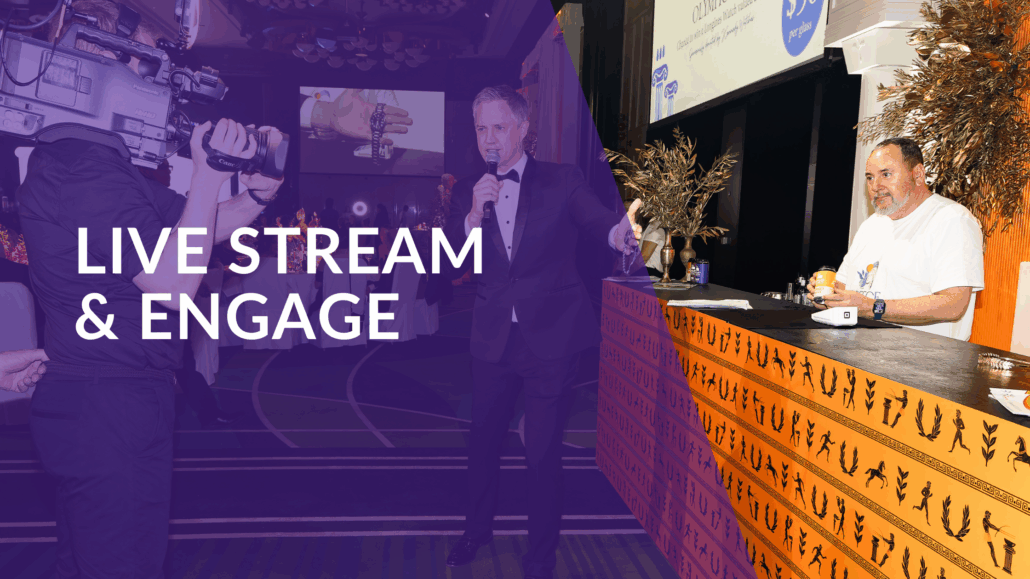
With your budget and purpose defined, select an appropriate date and venue about six months before the event. Visit potential venues in person, check for good lighting, sound quality and accessibility, and avoid clashes with public holidays or major industry events. At this stage, determine whether you will stream the ceremony for remote guests; robust internet connections and professional streaming support are essential for hybrid events. AVPartners’ Live Streaming & Hybrid Event Services provide broadcast‑grade streaming, interactive features and reliable connectivity for nationwide audiences.

Next, design your award categories and open nominations. For corporate or industry awards, create a downloadable form that outlines eligibility criteria, submission requirements and deadlines. Share this via your website and social channels, and allow at least three months to receive and review submissions so judges have sufficient time to deliberate.

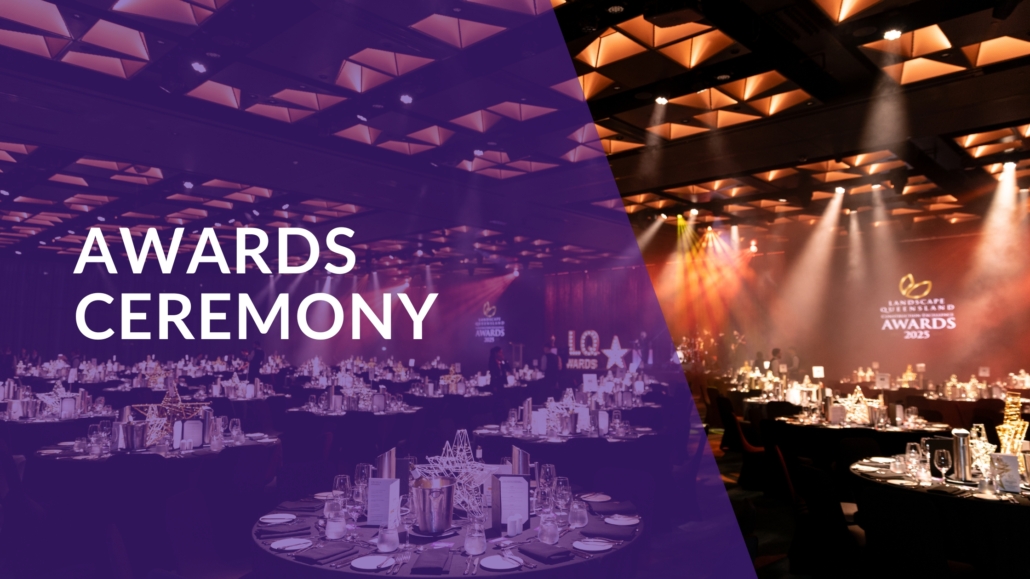
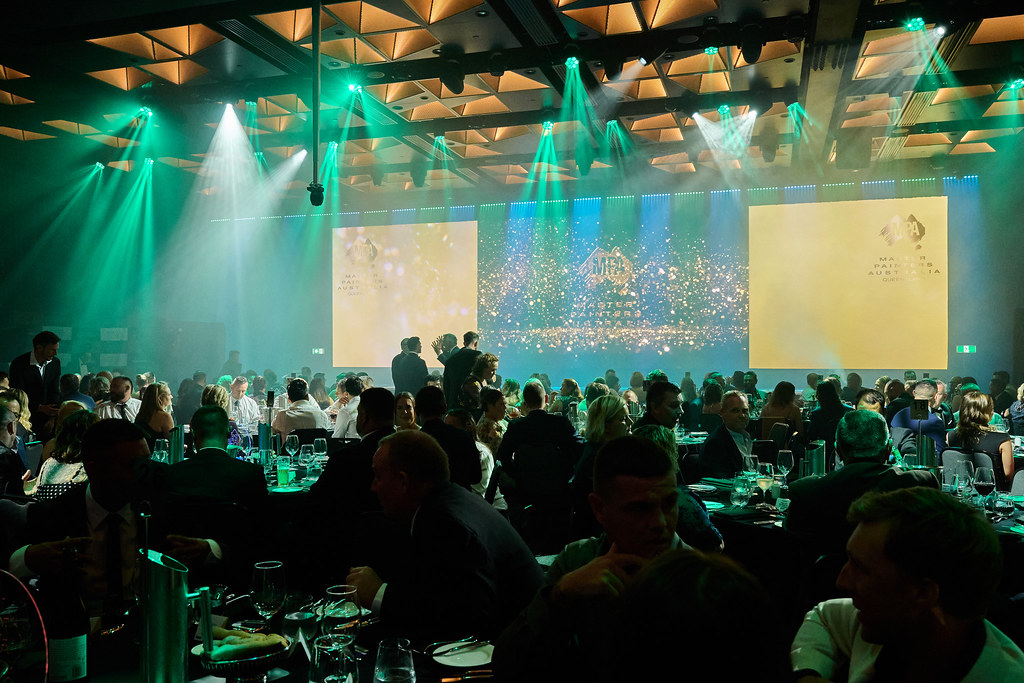
Guests enjoying dinner during an awards night in a decorated ballroom

Four months out: assemble your judging panel

A credible judging panel lends legitimacy to your ceremony and encourages quality submissions. Invite respected industry leaders, past winners or media representatives. Promote the judges’ involvement to build anticipation and attract applicants. Confirm their availability for the review period and ensure they understand the scoring criteria. Finalise your event’s theme and begin working with stylists to align décor, staging and branding elements. AVPartners’ Theming, Staging & Styling team can help you develop creative concepts and produce custom stage designs that reflect your vision.

Three months out: lock in production and catering

By the three‑month mark, contract your audiovisual partner and catering supplier. Determine whether you need a sit‑down dinner or a stand‑up networking format; this choice will shape menu selections and the flow of the program. Clarify audiovisual requirements such as microphones, screens and lighting—award ceremonies often require multiple cameras and live feeds to spotlight winners. Choose an engaging MC and decide how speeches will be delivered; consider limiting speeches to three minutes to maintain momentum.

Two months out: close nominations and invite VIPs

Two months before the ceremony, close your application window and provide judges with all submissions. Decide whether winners will be informed in advance or kept secret until the night. At this point, extend invitations to high‑profile guests and sponsors. Including industry leaders, council representatives and investors adds prestige and networking opportunities. Begin drafting your event program, including running order, entertainment segments and award intervals. Ensure presenters and performers have access to the venue for rehearsals. Keep refining your theme and décor, focusing on environmentally friendly touches such as recycled trophies or plant‑based menus.

One month out: finalise logistics and runsheet

Four weeks prior, confirm the final guest list, catering numbers and any dietary requirements. Place orders for decorations, trophies, signage and staff uniforms. Work with your AV provider to create a detailed runsheet—a minute‑by‑minute schedule of the ceremony that outlines awards, speeches, performances and intermissions. Share this document with all suppliers and staff to keep everyone aligned and allow time for questions and revisions. Remember that this schedule may evolve in the last weeks; update it as needed.

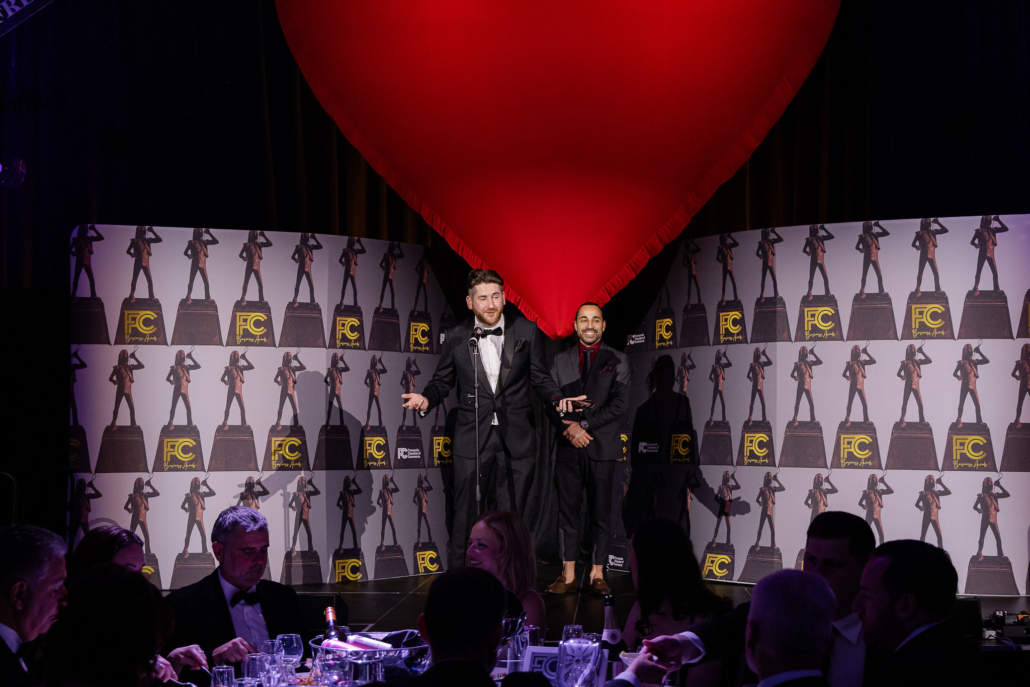
Awards ceremony winner gives an acceptance speech

Two weeks out: build excitement and test technology

In the fortnight leading up to the ceremony, launch a final marketing push. Announce shortlists, highlight your MC and judges, and showcase sponsors to build excitement. Use email newsletters, social media campaigns and press releases to encourage last‑minute registrations. Provide clear instructions about arrival times, dress code and parking to attendees.

On the day: deliver a memorable experience

On the day of the ceremony, arrive early to oversee setup and brief staff. Conduct a full technical rehearsal with your AV team to test microphones, cameras, lighting and streaming platforms. Ensure backup equipment is ready and that speakers and performers are comfortable with the stage layout. Follow your runsheet carefully but remain flexible for unforeseen changes. Provide clear signage and registration to help guests navigate the venue. Keep speeches concise and pace award presentations with entertainment or videos to maintain energy. After the ceremony, host a reception or networking session so attendees can celebrate and connect. Capture photos and videos of key moments and share them promptly on social media and your website. Collect feedback from guests, sponsors and team members to improve future events.

Conclusion: plan early, budget wisely and partner with experts

Award ceremonies celebrate achievement and inspire others to aim higher. Successful ceremonies are the result of months of careful planning, from defining your purpose and budget to selecting judges, securing venues and coordinating technical production. Start your planning at least nine months out, allocate resources thoughtfully and embrace technology to enhance both in‑person and virtual experiences. For creative multimedia content, consider AVPartners’ Multimedia Production services; for immersive theming and staging, explore our Theming, Staging & Styling expertise; and for hybrid events, leverage our Live Streaming and Hybrid Event Services. With a clear timeline, realistic budget and professional support, your 2026 awards night will be a memorable celebration of success.

Contact Us Online & Hybrid Event Services Online Event Production Services

Live streaming has become a craze ever since the pandemic of Covid-19 has forced event organisers into alternative ways of holding their events.

The capability of live streaming has become hugely popular in recent years, especially for events that attract global attention. Live streaming offers people the opportunity to experience events, even if they can’t be there in person.

Perhaps you’ve considered live streaming your event, but you’re not entirely sure if it’s the right thing to do. Maybe you’ve thought, “Well, it could be great exposure, but then again who will purchase a ticket if it’s going to be live streamed for free?” This is a very sensible question to ask. Although there are many benefits to live streaming events, it’s important to consider whether it is right for your event. Some events thrive on exclusivity. Keeping an event exclusive might help with setting ticket prices, selling tickets, or attracting thought leaders. These events might benefit from being kept intimate instead of being live streamed. But for many events, especially ones that have an objective of broadcasting information or selling a certain product or service, live streaming can be greatly beneficial. Here’s why:

Maximise your exposure

Live streaming, especially via social media can help build exposure for your event. Your event can be live streamed to your social media audience, but it can also reach a larger audience if the content is shared and interacted with online. Live videos tend to attract more online engagement compared with other types of content. They incite a sense of urgency, compelling people to watch. When you share your live stream to social media, you also have the option of running ads in order to reach an even wider audience.

Use data to improve your events

When you live stream your event, it gives you the opportunity to learn more about your audience through online data. Bringing your event online can help you gather important information about who your audience is and what they like (or dislike) about your event. Whether you’re live streaming on your website or social platforms, you have access to data on who is engaging with your content. This information can help you make improvements on your event next time around.

Provide a channel of communication for your audience

If you’re broadcasting your event on social media, your live stream will give your event goers and online audience a platform to interact with you while the event is running. It gives them the opportunity to ask important questions about keynote speakers, products being launched or whether there are follow up events.

When you’re live streaming a corporate event, it’s important to get it right. The last thing you want is a major disruption or delay in the audio or video. When you do it yourself there are many risks involved that can disrupt the smooth running of your event. Make sure to hire a professional audiovisual team to do all the hard work so that you don’t have to. At AVPartners we have the right technology and expertise to broadcast your event so that you can rest assured that it’s done the right way.

Get in touch with us today about your next live streamed event.

Contact Us Online & Hybrid Event Services Online Event Production Services

Planning and executing an event can be an exciting, yet very busy time. Most require months of preparation and strong plans in place to achieve the best outcome. However, from time to time even the most seasoned of event planners can face challenges.

So, what are some common event planning mistakes and how can you avoid or overcome them?

Poor communication

As an event planner, a key responsibility is to know what is going on across your internal team and external parties like suppliers and event speakers and attendees. However, if you don’t communicate clearly to each relevant group what you are expecting from them, then it’s likely that mistakes will be made as each member of your event delivery team will be unsure of their responsibilities.

The best way to overcome this challenge is to make a runsheet – this is a clear breakdown of what should be happening throughout the event and who will be completing each task. It must include times to start and finish certain tasks and should have the contact details of key members of the event delivery team so that each member of the team knows who to speak to if they have questions.

Lack of clear signage

Don’t have your event attendees running late for their favourite speakers or preferred sessions because they can’t find where a certain presentation is being given. The best way to overcome this challenge is to make sure each room is clearly signposted and there are clear directions to other spaces. Digital signage can assist with this as you can use one screen to give multiple directions and even feature moving maps, directing event attendees to main events like keynote speaker sessions or lunch.

Leaving equipment rental to the last minute

So you’ve organised the big ticket items like screens, projectors, lights and staging, but what about handheld microphones, lapel microphones and laser pointers? These are often requested by speakers. It’s tempting to only put in an order once you know what you require to avoid excess spending, but your AV suppliers will likely be working on many events at once and may not have excess inventory to accommodate your last minute requests. Plan in advance and order a few things, despite what your speakers may need, so you don’t miss out.

Not allowing enough time for setup

One of the biggest areas that event planners overlook is underestimating the amount of time it takes to set up their event. Event setups often take longer than anticipated as challenges generally will arise and you might have to make changes. The best way to avoid running out of time is to include setup time in your runsheet and always add more time for setup than you think you will need. It’s better to have excess time and be relaxed before your event starts than running around at the last minute. You must contact your suppliers at least 48 hours before the event to confirm what time they will be arriving and ask if they have any questions you can solve beforehand. Doing this can help to  speed up your setup on event day.

Forgetting to anticipate that problems will arise

Even the most seasoned of events organisers know problems will arise on the day. It’s Murphy’s Law! The best way to avoid this is to make contingency plans, anticipating what might go wrong. Make sure you have extra copies of programs, ensure a speaker has sent their presentation through ahead of time in case they leave their USB at home, give any materials you shipped a few extra days to arrive, check, double check and triple check how the technology works, order extra food and make a packing list. If you have a checklist of all the things you need, you will be less likely to leave anything behind.

Sometimes mistakes happen and this can be stressful. But if you are prepared, this can help lessen the blow and make your event appear smooth, professional, and seamless despite how you may be feeling inside. If you would like help with your next event, contact us today.

For event planners, it’s important to make each of your events unique in order to encourage re-attendance, make your events memorable and promote your event messaging. Here are a few ways you can make every event unique.

Use lighting strategically

Lighting can be used to set your colour scheme, create a certain mood, revitalise guests, bring your theme to life and draw attention to areas within your event space. When used strategically, lighting can breathe life into your event agenda and can impress your guests. To make your event unique through strategic lighting, it’s important to use state-of-the-art technology and work with a team of lighting experts.

Theme your event

Theming your events is one of the most obvious ways to create a unique experience for guests. A theme is an idea or concept behind your event which can be brought to life through your visual elements, invitations, agenda, marketing, dress code, food and entertainment. By promoting your theme through all aspects of your event, you can make each event experience feel unique for guests.

Prioritise your styling

Styling creates the look and feel of your event. Event styling incorporates furniture, decor, table layouts, props, audiovisual and digital elements. It is one of the most effective ways to set the atmosphere of your event. How would you like your guests to feel at your event? Your styling will help you facilitate a certain event experience to make the day unique.

Hire entertainment

Impressive entertainment can really set your event apart from the rest. By choosing entertainment based on your theme, you can make each event unique. Entertainment doesn’t need to be limited to a musical act. You might consider hiring comedians, puppeteers, magicians, dancers, trapeze artists, balloon artists or DJs.

Incorporate augmented or virtual reality

Augmented reality involves computer-generated interactive elements appearing in the real world, usually viewed through a smartphone, tablet or headset. Virtual reality is a computer-generated experience, most commonly created through the use of a headset, that makes the user feel like they are in a different world. Using technology to create an augmented or virtual reality experience can provide an opportunity to promote your event messaging and branding and can create an exciting and unique experience for your guests.

Work with AVPartners

Through unique styling and exceptional lighting, the AVPartners team can help you put on an event that will wow your guests. Unlike most audiovisual teams who work with different event spaces for each of their events, AVPartners are AV experts in their own venues. The team is able to utilise every aspect and capability of the event space and technology to bring your event to life.

If you would like help making your next event unique through styling and audiovisual production, contact AVPartners today.

The success of an event doesn’t need to be dictated by what happens on the day alone. Yes, everything should run smoothly on the day, your guests should be engaged and you’ll want to make sure you meet your event objectives. However, an event’s success can extend well beyond the actual day.

Even a successful day can be tainted by a lack of post-event follow up and evaluation. So here’s what you can do to ensure the success of your event after the event itself.

Follow up

Following up with your guests after your event is an important way to let them know that you care about them. A follow up can be as simple as thanking them for attending on your event’s Facebook page or sending an eDM that reinforces your event objectives and says thank you.

Post-event evaluation

Undergoing a post-event evaluation is the best way to analyse what went well and what you can improve on next time. It can help you identify areas where you might be able to tighten up your budget and things you missed that you might like to include in your event next time around.

Feedback surveys

What a post-event evaluation might miss, feedback surveys can make up for. Who better to analyse your event than the event guests themselves? Asking your guests to answer questions about the different aspects of your event can help you to view your event from the perspective of your guests. This type of analysis can really help with improving the event experience at your next event.

Showcasing your event on social media

Social media is one of the best ways to communicate information effectively and efficiently to a wide audience. It is also a great way to show-off your event, boost brand awareness and build anticipation for any upcoming events. Showcasing your event on social media might include sharing footage from the event, developing and sharing an event video that showcases the event’s highlights, or creating and sharing a photo album from the day.

Provide a next-step

Whether it’s on social media or via email marketing, providing a next step for your guests is a great way to keep them engaged with your brand and event. It can also increase the likelihood of guests attending your future events. Provide one simple call-to-action in your communications with guests, for example “Visit our events page to find out what’s coming up” or “Sign up to our mailing list to stay in the loop”.

If you would like to maximise the experience at your next event, contact AVPartners today.

Hashtags have become an important way for event planners to create a buzz around events. Think of the last conference or event you attended. Chances are a hashtag was used. So what exactly are hashtags and why have they become so popular in the events industry?

A hashtag is a word or phrase preceded by a hash sign (#), which makes it a searchable link. Most commonly used on applications and social media platforms like Twitter, Instagram and Facebook, hashtags give users the ability to organise or ‘file’ online conversations. When a user clicks on a hashtag, they are able to view all other discussions which use the same hashtag.

Why use a hashtag for events?

An effective hashtag can improve the reach of your event. It can help build anticipation surrounding the day, drive more ticket sales and boost awareness for your brand. An event hashtag also helps drive engagement throughout the event itself. Attendees can post about your event using the hashtag to signal that they are part of the conversation about your event.

There are 4 factors that make a great hashtag:

1. Unique

An effective hashtag will be unique to your brand and event. This will ensure that your event and brand doesn’t compete with other unrelated posts which use the same hashtag. Before settling on your hashtag, make sure to do a quick search across social media to make sure it hasn’t been used before. Examples may include #GFWS2018 or #vividtaronga which are time or location specific.

2. Succinct

Short hashtags are effective because they are memorable and get to the point quickly. They also remove room for typo errors, particularly when your event guests will be required to type the hashtag out.

3. Playful

Depending on what you’re trying to achieve, a hashtag which is playful and uses a bit of light humour may do the trick. A good example of this is Red Bull’s #PutACanOnIt campaign. The campaign used the catchy hashtag #PutACanOnIt to encourage people to take photos of their Red Bull cans in interesting locations. This strategy encouraged engagement amongst their audience and successfully created a buzz around the brand.

4. It has no hidden meaning

This is a really important one. Triple check your hashtag before sharing it. Remember, your hashtag will display without breaks between the words, so new words might form in the amalgamation. Check for any embarrassing words or messaging that may have been created. While you will want to build reach, you won’t want to bring attention to your event for the wrong reasons!

Broadcasting your hashtag

To really make the most of your hashtag before, during and after your event, it’s important to include it on all of your promotional materials, and make sure it’s in full view for guests throughout the event. Use audiovisual (AV) technology to keep your hashtag front and centre throughout your event. By projecting your hashtag on your stage, screen or even on the walls of your event space, you can encourage real time conversation about your event on social media. With your hashtag in full view, your event guests will be encouraged to include it in their tweets, live videos and other social posts.

Contact us today to set up the AV at your next event.

The perfect gala dinner requires a lot of planning and preparation to ensure that each element comes together seamlessly on the night. From building your guest list and setting your budget to choosing the right sponsors and fundraising activities, you’ll want everything to align to make sure the night goes to plan and that it’s everything you had visualised at the beginning of the planning process.

It can take several months and even upwards of a year to plan a gala dinner. The best way to keep the planning process on track is to put in place an event plan and timeline. Each gala dinner is different, but here is a general timeline of tasks that can help to keep the event planning process on track.

8-12 months before the event

Establish the what and why of your gala dinner and complete the groundwork.

  • Define the event’s purpose
  • Set your budget
  • Identify your fundraising methods e.g. ticketing, silent auction, raffle
  • Select a date and choose a venue
  • Look for sponsors or partners for the night
  • Plan activities, select speakers and book entertainment
  • Choose a theme

3-6 months before the event

Get the wheels in motion and spread the word.

  • Arrange your audiovisual plan and equipment for the night
  • Promote the event, for example via social media, radio or newspapers
  • Confirm speaker arrangements and finalise your entertainment
  • Check for any special venue provisions e.g. wheelchair access, parking arrangements and transport information
  • Start building an attendee list
  • Organise fundraising activities for the night
  • Book catering
  • Send invitations

2-3 months before the event

Establish on-the-night requirements, ramp up event promotion.

  • Organise decorations and table settings
  • Select food
  • Continue to promote the event, for example release special announcements to the press for media coverage
  • Arrange seat planning

1 week before the event

Finalise everything.

  • Finalise guest list and send an event reminder
  • Brief the team for duties on the night
  • Finalise seating plan and create place cards
  • Finalise guest numbers and send to caterers and partners.

1 day before the event

Get ready.

  • Conduct an audiovisual test
  • Make sure auction items, prizes or gifts are on site
  • Make sure everything is prepared for the night
  • Finalise run sheet

The day of the event

Manage the night and enjoy your hard work!

  • Decorate event space and tables
  • Hand out seating charts, the guest list and run sheet to your team
  • Make sure guests arrive
  • Keep the event running to time and deal with any issues as/if they arise
  • Enjoy the night!

After the event

Thank your guests and share the night with the world.

  • Send thank you cards to your guests
  • Finalise fundraiser and make sure participants received gifts or prizes
  • Share event photos
  • Develop an event evaluation outlining your successes and what you can improve on next time

Need to get your AV or staging prepared for your next gala event? We can help. Contact us today.

An Annual General Meeting, or AGM, is an event held once a year by an organisation looking to give stakeholders, the general public and members a transparent overview of the organisation’s direction and financial outlook. Members and guests can expect to hear reports from the organisation’s committee regarding the achievements from the past year. It’s also the time that a vote is held and a new committee is elected for the year ahead.

AGMs are important events that need to be planned and executed properly to ensure members and guests walk away with a positive attitude about the organisation and its goals.

To help plan your upcoming AGM, consider the following:

The venue

Have a look at what venues you think might be suitable, then arrange site visits so you can determine if a venue meets all of your requirements. Will you need a board room, a large meeting room or a function room? Will you be offering refreshments during or after the meeting? Will there be a time for mingling or networking before or after the AGM, and if so, will that take place in the same room as the meeting itself?

You should also consider the accessibility of the venue in terms of public transport access and parking, through to wheelchair access and other amenities. Once you’ve chosen a venue, set a date and time, and book the meeting or function room, ensuring it’s big enough to accommodate a minimum number of people.

The notice of meeting

With as much notice as is possible and appropriate, produce a notice of AGM for members which provides details about the meeting, including the date, time, venue and information about the election.

The financial reports

Your organisation’s financial reports will need to be produced prior to the AGM. In some cases these reports need to be examined by an independent person or by your own treasurer.

The agenda

Ensure your AGM agenda is sufficiently prepared, and pre-determine whether you want to just go over the essentials, or make it a more compelling event with extra activities so you attract more members and guests on the day.

The election

It’s best to determine your voting system ahead of time so that the process can be seamless at the AGM.

You could simply have a ‘show of hands’, offer private ballots, or even arrange for a neutral third party to count the votes.

The audiovisual technology

Ensure that the venue you hire can handle your audiovisual requirements. They may even have an in-house AV provider, such as AVPartners! There are so many options when it comes to audiovisual technology at your AGM. You may require projectors to display graphs, charts and statistics for all to see, or you may look at webcasting or video streaming the event so that people can still be involved even if they aren’t physically there.

Our AVPartners teams are experts at supporting AGMs of all varieties. From staging to lighting and audiovisual support, we’ve got you covered for your next AGM. Contact us to start your AGM planning.

When planning an event, one of the first things you need to decide on is the event theme. A theme is the overarching idea or concept behind your event, that not only gives the event structure, but can inspire guests and reinforce your event message and key takeaways.

Stuck for theme ideas? Some event themes we have coordinated include: a wild west theme, roaring 20s, the 80s, the 90s, pop star, masquerade, acrobatic and circus theme, Spanish, French, chocolate fantasy, black and gold, global cuisine, the Olympics, and a jungle theme.

Whatever event theme you choose – make sure you fully commit! This means being consistent with the theme throughout all event touch points, such as the invitations, programs, marketing, decor, dress code, food, entertainment, and music.

While you don’t have to have a theme at your event, we find it aids in creating a seamless event experience for both planners and guests. Also, once it’s decided on, it helps to steer all of your planning decisions. But never fear, an event theme can be as detailed or bare as you like; sometimes simply utilising a lighting colour combination to evoke the right emotion is enough to make your mark on guests.

Here are our tips when it comes to deciding on your event theme:

Know your event objective

Make sure you’re clear on why you’re holding this event, and why people will attend. What message do you want to impart on your guests? What will be the key ‘takeaway’ from your event, will they learn something, support something, be rewarded for something or simply have a great time?

A clear event outcome and intention is crucial for an effective theme to be developed.

Know the nature of your event

A gala dinner aimed at fundraising will require a different theme to a Christmas party. The nature of your event and how it fits in with your business or brand will help determine the direction to go in with your theme. That’s not to say you can’t have fun with your theme if it’s a formal event! Just that you need to be aware of it and tweak ideas where necessary.

Know your audience

It sounds obvious, but just like determining the nature of your event, you need to figure out who will be in attendance and what they might want or expect from this event, and plan accordingly. If it’s an event where children will be in attendance then you can steer clear of the more risqué themes, or if the event is attempting to showcase your professionalism to potential clients you can cancel the clowns. It’s all about what is appropriate to your audience, while still being on point for your event message.

Know your venue

If you can align your theme with your venue, your event will have that extra special aspect of being seamless. You can do this by either having a theme in mind and choosing a venue which can accommodate it, or you can choose your venue and then your theme to suit it.

Know your audiovisual provider

Many venues, such as the ones AVPartners is partnered with, can offer you the expertise of in-house audiovisual (AV) technicians to bring your theme to life. Hiring an in-house AV team can be a great benefit, as in-house teams know their venues well, can offer you a wealth of knowledge and experience, and tailor audio, lighting and vision options to suit your event and theme.

Know your event colours

Whether you incorporate colour into your overall theme or the colour IS your theme, you’ll want to ensure that you’re choosing the right colours for your event objective, feel and message. To find out more about colours, read our post on how colours can create atmosphere at your event.

Contact us today to discuss your event theme ideas further!

Planning an event can be really fun and exciting, but it’s not without its challenges.

Giving guests an experience to remember, something that will leave a positive and lasting impression, is a great outcome to aim for. However, you need to plan accordingly in case things don’t quite go as you had envisioned on the day.

The best way to do this is to prepare your contingency plan well ahead of time. A general rule of event planning is that it’s a good idea to checklist everything and double check items at different intervals leading up to your event. Give agendas and timelines out to everyone that could benefit from it. On the day of the event, arrive early. This will give you extra time should something happen and need immediate attention. Remember, there’s no such thing as being over prepared when it comes to event planning!

Even with all your forward planning, things might still pop up that you weren’t expecting, or that you can’t really control. Here are some of the common mishaps we see at events and how to address them:

Schedule overlap

Giving your event’s schedule some wiggle room will do wonders for the little overlaps that tend to occur. Leaving a little room before and after scheduled items will mean that if something needs to push a little, it won’t make the entire event run late.

Weather issues

It is important to have a contingency plan for the weather as it can be really unpredictable. Depending on your event type, this could be as simple as organising umbrellas for some light rain, or it could mean moving your entire event indoors, away from bad weather.

Vendor issues

You may have a vendor cancel unexpectedly, or they may have resourcing issues. While this is a bit out of your control, what you can do is make sure you are in direct contact with them regularly in the lead up to, and during, the event. Arrive early on the day and ensure they have everything they need for their work to run smoothly. Also, have a list of backup vendors ready in case the unexpected happens.

Technical problems

Technical problems can happen at the most inconvenient times, such as when someone is about to speak on stage. Always make sure you are using a professional and reputable AV provider. This will minimise the chance of technical problems and ensure you can address any issues that do arise. Make sure your AV technicians offer onsite support throughout your event, and that they have their own contingency plans in place too. This way, you will always feel secure knowing the show can go on.

Medical emergencies

Medical emergencies require fast reaction times and leadership. At a minimum you need to be aware of where the emergency exits, medical emergency kits, and fire extinguishers are located in your chosen venue ahead of your event. It’s also not uncommon to have or request that a venue representative conduct a safety and housekeeping speech at the start of the presentation, informing guests of what the fire alarm alerts sound like and where the muster points locations are located.

When (or hopefully, if) unexpected things happen at your event, try to remain calm but react as quickly and effectively as possible. Guests will remember how well the issue was handled, or may not even realise there was a problem in the first place.

We’re always prepared for the unexpected here at AVPartners. Contact us today to work together on your next event.