Tag Archive for: event technology

Smartphone being used by attendee at conference
Smartphones have become indispensable in our daily lives. They help us shop, navigate, communicate and remember important dates. At events, however, their role is more complicated. On the one hand, mobile devices can distract delegates and reduce face‑to‑face interaction. On the other, powerful event apps and mobile tools enable real‑time updates, personalised agendas and stronger networking. With new event technology trends emerging for 2026, event planners must decide whether smartphones help or hinder their objectives and how to strike the right balance.

The downside: distraction and digital fatigue

Smartphone use has exploded in recent years. A Gallup survey shows that the percentage of U.S. adults who believe they use their phones too much jumped from 39 percent in 2015 to 58 percent in 2022. Excessive screen time can harm relationships and reduce engagement; meeting participants who repeatedly check their phones may break eye contact and disengage from discussions. Research by the University at Albany found that mobile phone distractions significantly reduce learning and recall in young adults. In events, constant notifications and social media updates can cause attendees to miss key insights or sessions.

Beyond distraction, digital fatigue is growing. A 2025 study estimates that over 1.58 billion people worldwide experience some level of smartphone addictions. Smartphones can pull attendees’ attention away from live presentations and networking opportunities, diminishing the value of in‑person connections.

The upside: mobile tools that enhance events

Despite the risks, smartphones play an important role in modern events. Mobile event apps centralise schedules, ticketing and communications, giving planners and attendees a single source of truth. When an event app is used, the schedule is always up to date and accessible, reducing confusion and last‑minute questions. Real‑time push notifications help attendees navigate unexpected changes such as speaker delays or room moves. QR code check‑in speeds up entry, eliminates long queues and improves record‑keeping.

Mobile apps also empower personalised experiences. Attendees can build their own agendas, select the sessions that matter to them and receive recommendations based on interests. Networking tools inside apps allow delegates to connect with peers and schedule one‑to‑one meetings. Event organisers benefit from immediate feedback and richer data; integrated feedback forms and polling enable real‑time engagement and improvement. These tools turn events into sources of first‑party data that can inform future planning.

2026 trends: more intelligent, personalised and immersive

Event technology is evolving rapidly, and smartphones sit at the centre of many emerging trends. In 2026, mobile messaging and in‑app notifications are supplanting generic emails; SMS, rich communication services and app alerts deliver higher engagement and reduce no‑shows. AI‑powered event apps provide smart registration, AI‑generated agendas and targeted notifications. Attendees expect hyper‑personalised experiences, from tailored agendas to session recommendations based on their behaviour and preferences. Gen Z delegates, who value authenticity and bite‑sized experiences, demand intuitive mobile interfaces and gamified interactions.

At the same time, there is a growing movement toward balancing digital engagement with offline experiences. The Offline Club, a community founded in the Netherlands, creates phone‑free spaces where people can talk, read or play games. Rising numbers of meeting participants say immersive experiences and shared analog moments create more memorable events. Some event designers are reintroducing analogue interactions—such as hand‑cranked ballot balloons for audience polls—to encourage attendees to look up from their screens. The key is to keep smartphones as tools rather than destinations.

Strategies for mindful smartphone integration

To harness smartphones effectively while minimising distractions, consider these strategies:

  1. Set expectations and provide guidelines. Communicate your event’s mobile policy early. Encourage attendees to use event apps for schedules and networking but ask them to mute notifications during sessions. Outline digital etiquette in your pre‑event communications and remind delegates to focus on live speakers.
  2. Use event apps to simplify logistics. Choose a robust mobile event platform that centralises registration, agenda building, venue maps and networking tools. Look for features like push notifications, personalised agendas and QR code check‑ins. Encourage attendees to build their own schedules and offer real‑time updates through the app.
  3. Create phone‑free zones and moments. Designate specific areas or time blocks for offline interaction. For example, consider a phone‑free luncheon or workshop where attendees can connect without distractions. Encourage analog activities such as facilitated networking games, physical polls or interactive installations to foster meaningful interaction.
  4. Leverage mobile marketing and social media wisely. Smartphones offer powerful marketing channels. Encourage attendees to share photos and insights using your event hashtag; this amplifies reach and builds online buzz. However, avoid encouraging constant phone use during sessions. Provide designated times—such as breaks or networking receptions—for capturing and sharing content.
  5. Prioritise data privacy and accessibility. With increased use of mobile apps, compliance and security are critical. Ensure your app meets privacy regulations and offers accessible design options such as captions and screen reader compatibility. Communicate how attendee data will be used and offer opt‑in consent for marketing communications.

Applying these insights with AVPartners

AVPartners offers state‑of‑the‑art event technology solutions that integrate seamlessly with mobile event apps, enabling features like hybrid streaming, real‑time updates and interactive polls. Our team can also design theming, staging and styling elements that complement mobile‑driven experiences and create dedicated phone‑free zones.

For virtual or hybrid events, our live streaming services ensure remote participants receive the same high‑quality content delivered via their devices. To discuss strategies for integrating smartphones into your next event, contact us today.

Conclusion

In 2026, smartphones are neither wholly friend nor foe to event planners. They can distract delegates and contribute to digital fatigue, yet they also unlock powerful tools for scheduling, networking and personalised engagement. The key is mindful integration: use mobile apps to improve logistics, personalise journeys and collect rich data, while balancing digital interaction with offline experiences. With careful planning and the right technology partner, smartphones can enhance your events and drive stronger outcomes.
Motorised kinetic lighting fixtures event lighting 2026
Lighting is more than illumination; it sets the mood, reinforces your theme and guides guests through an event. As event technology evolves, lighting designers are embracing lasers, kinetic lighting and other innovations to transform corporate gatherings into immersive experiences. In 2026, lighting design incorporates both functional and creative elements to capture attention and convey brand messages. This guide explains how different lighting types contribute to a memorable corporate event and highlights new trends such as programmable lasers and kinetic lighting.

Room effects and architectural lighting

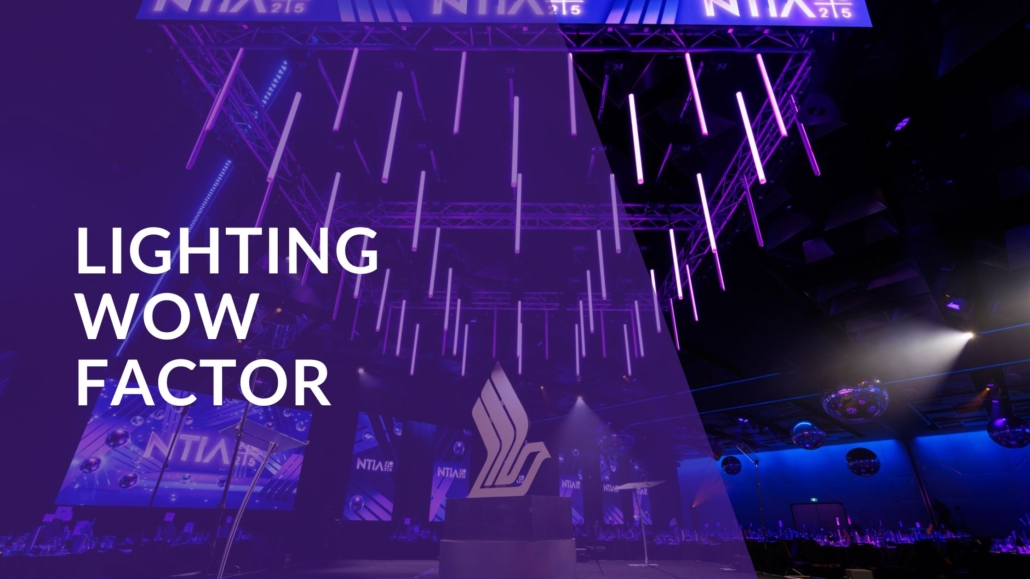
Colour‑changing LED lights and intelligent moving head fixtures can dramatically alter the look and feel of ballrooms and conference spaces. These fixtures are controlled via a lighting console, allowing designers to program multiple looks for different moments: walk‑in, formalities, meal service, awards presentations and party segments. Intelligent moving heads adjust colour, pattern, intensity, angle and direction in sync with the music, creating dynamic atmosphere. Kinetic lighting systems take movement further by integrating motorised fixtures that rise, lower and shift in real time; they create immersive displays that react to music or video content. When paired with DMX and Art‑Net control, kinetic lights offer full‑spectrum colour control and precise synchronisation with your program.

Band, entertainment and dance floor lighting

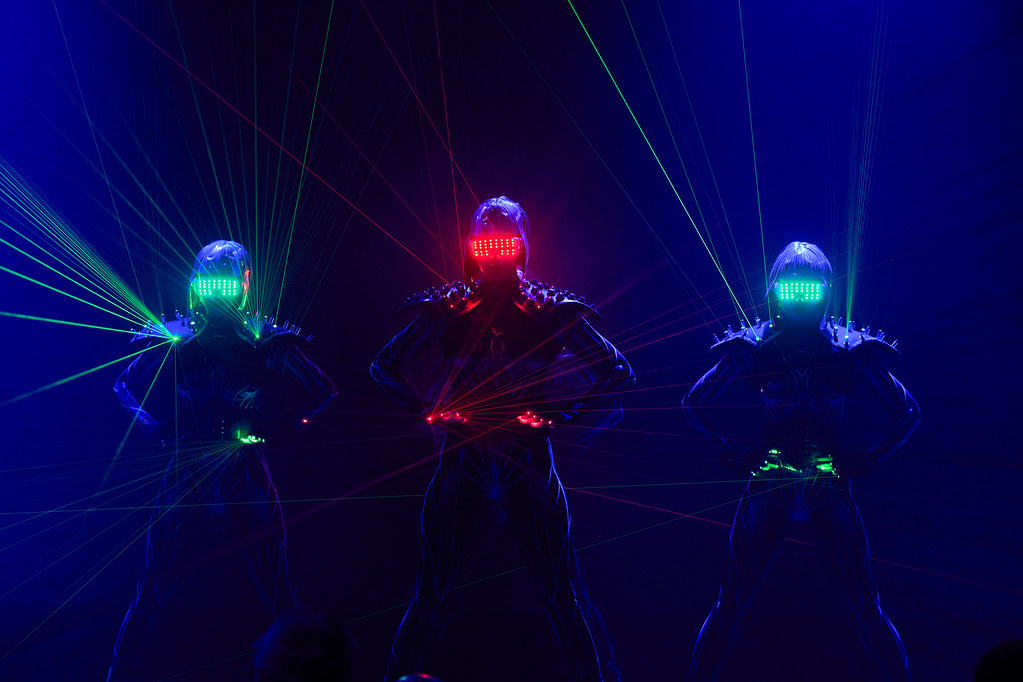
Live entertainment benefits from programmable lighting that can track performers and enhance the beat. Intelligent moving head fixtures and wash lights are commonly used to illuminate bands and dance floors, with operators altering colour and movement to match the rhythm. Lasers have become a staple in live performances, producing jaw‑dropping visuals that pulse in harmony with music. Modern RGB lasers provide vibrant hues and can be mapped by artificial intelligence to sync patterns with audio and stage movements. For high‑energy segments, kinetic lights can shift positions to heighten the drama. If you want to add corporate branding, consider laser projection mapping that projects logos or animations onto walls or ceilings; new laser systems include wireless controls and app integration for effortless customisation.

Performer and stage lighting

To ensure performers are always visible, follow‑spot lights remain essential. Skilled operators fade the light in and out and adjust the beam size to keep the spotlight steady and unobtrusive. On wider stages, profile spotlights focus on presenters or banners, while Fresnel fixtures wash larger areas for presenters who roam. Kinetic lighting adds movement and depth to stage design; motorised fixtures can create patterns or formations that complement the presenter’s message. Programmable lasers offer additional flair, with vibrant beams and patterns that add drama to theatrical sequences or product launches.

Prop and theme lighting

Well‑placed lighting highlights décor, props and styling elements, elevating the event’s theme. Coloured LED PAR cans are versatile for lighting centrepieces or thematic installations. For events seeking a futuristic edge, zero‑waste LED installations and eco‑conscious performances demonstrate environmental commitment. Kinetic lighting systems can be configured into custom shapes or patterns to match your them. Lasers can project animations or brand imagery onto surfaces, providing unique sponsor exposure and reinforcing your message.

Projected and pinspot lighting

Projecting a company or sponsor logo through a gobo onto walls or floors is an alternative to screen‑based sponsorship. New laser systems offer high‑resolution projection capabilities with adjustable beam angles and pattern speeds. Pinspot lighting enhances table settings and centrepieces; intelligent pinspot fixtures allow operators to change table colours throughout the evening, adding unexpected wow factor. Combining pinspots with kinetic lighting overhead can create layered visual effects that transform the room.

Emerging techniques: lasers and kinetic lighting

Lasers and kinetic lighting represent cutting‑edge additions to corporate events. Innovations include brighter and energy‑efficient laser diodes, enhanced colour precision and AI‑driven mapping that synchronises patterns with musi. Wireless integration and app controls make it easier than ever to adjust laser settings in real tim. Beyond concerts, lasers are now used in architectural lighting to project animations onto buildings and landmarks and in theatrical productions to add depth and emotion to scenes.

Kinetic lighting systems incorporate motorised light fixtures that move vertically and horizontally, offering layers of depth and customizable shapes. These systems can be reconfigured to suit different themes and controlled via cloud‑based platforms, enabling designers to program complex sequences remotely. Kinetic lights often use energy‑efficient LED technology and low‑power motors.

Lighting techniques and design considerations

Lighting designers use techniques such as uplighting, downlighting, spotlighting and backlighting to achieve desired looks. Combining static washes with moving fixtures allows for smooth transitions between segments. Kinetic and laser elements should be integrated thoughtfully to avoid overpowering the event’s content. Work closely with your audiovisual partner to develop lighting states for each part of the program, ensuring the right balance between functional illumination and entertainment.

Conclusion

Lighting design can make or break a corporate event. By embracing innovations like lasers and kinetic lighting alongside classic fixtures, you can craft memorable experiences that align with your brand and engage guests. When planning your next event, collaborate with a reputable AV partner to explore how emerging lighting technologies can support your theme, energize your entertainment and leave a lasting impression on attendees. AVPartners’ Event Technology team offers expertise in lighting design, programming and new technologies, while our Event Theming, Staging & Styling services ensure a cohesive look across all elements. Contact us today to discuss how lighting can elevate your next corporate event.

Digital signage screen displaying event schedule in a hotel lobby

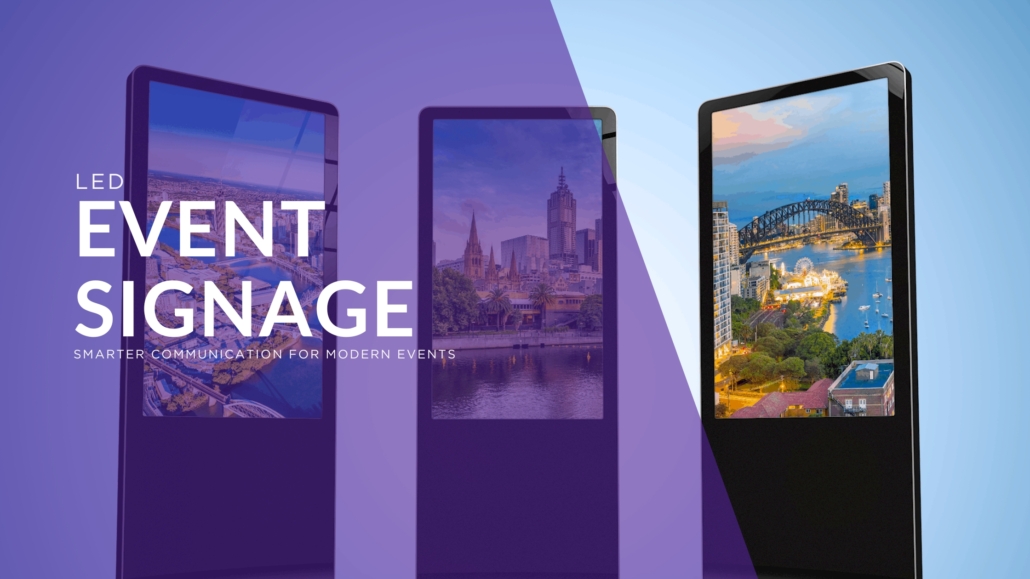
Digital signage has progressed beyond simple menu boards and flight information screens. In 2026 it is a dynamic, centrally controlled tool found in hotels, conference centres and exhibition halls across Australia and around the world. Advances such as foldable LED banners mean organisers can deploy bright, portable displays in high‑traffic areas. With the ability to update content across multiple spaces in real time, digital signage has become a must‑have for events. Surveys show that the main benefits go beyond technical efficiency: more than half of property managers say digital signage makes it easier for guests to get information and reduces stress when finding their way. This guide explains why digital signage is essential and how you can leverage it for your next event.

Supports back‑of‑house operations

Digital signage is as valuable behind the scenes as it is in public areas. Back‑of‑house screens can display room configurations, last‑minute seating adjustments, staff allocations and kitchen schedules. In a 2025 survey of property managers, 56 percent said digital signage made it convenient for guests to get information and 35 percent said it made building management easier. Because updates are instant, venue teams can respond quickly and accurately.

Modern systems integrate with broader audiovisual solutions. AVPartners’ Event Technology services allow real‑time control of multiple displays, sound systems and lighting in a single dashboard. As technology improves, back‑of‑house monitors can connect with front‑of‑house displays so that capacity changes or room switches are communicated without disrupting the guest experience.

Enhances the guest experience

Digital signage elevates the customer journey. Unlike static signs, digital screens show moving images, videos and live updates that attract attention and keep visitors engaged. Wayfinding screens in hotel lobbies and conference centres help attendees find registration desks, plenary rooms and breakout spaces. TouchSource data reveals that half of surveyed property managers believe digital signage makes it less stressful for visitors to find their destinations.

At events, digital wayfinding displays can show maps, arrows and last‑minute updates so participants move seamlessly between sessions. They can also display schedules, room information and digital menus. Digital menus are especially useful for conferences with restaurants or cafes, making it easy to change offers and manage queues. Modern signage also improves internal communication, allowing venues to share updates and key performance data with employees.

Delivers custom branded content

Digital signage offers powerful branding opportunities. Organisers can integrate event logos, sponsor promotions, custom animations and social media feeds into dynamic displays. Digital signage campaigns are proven to boost brand awareness because well‑placed screens drive customers to websites and social platforms. For events, digital displays can encourage user‑generated content by promoting hashtags and competitions. Advertising integrations provide new revenue streams by giving sponsors high‑visibility placements.

AVPartners can design custom content and visuals that suit your venue. Foldable LED banners are an emerging technology that allows organisers to deploy flexible, portable branding without printed signs.

Reduces resource use and increases efficiency

Digital signage reduces the environmental and financial costs of printed materials. Digital screens can be updated instantly across multiple locations, saving time and eliminating waste. Businesses that adopt digital signage save on printing, transportation and installation costs, while boosting marketing effectiveness and communication. Modern screens also use less energy, resulting in lower operational expenses. As entry costs drop, more companies are adopting digital signage; lower costs drive adoption and help businesses pair traditional and digital signage for a modern experience.

Digital signage improves workflow efficiency by automating content delivery. Organisations can update thousands of screens from a single device, ensuring that audiences always receive the latest information. During events, this capability means schedules, room allocations and sponsor messaging can be adjusted on the fly, without manual labour or reprinting.

Supports safety and emergency communication

Digital signage is also an essential safety tool. Screens can broadcast emergency alerts or evacuation messages within seconds. In large venues, this ability to deliver clear instructions quickly helps maintain order and ensures guests know where to go.

Conclusion

Digital signage is no longer a luxury; it is an integral part of modern event management. From reducing stress for visitors and improving wayfinding to increasing engagement and branding opportunities, it offers benefits that printed signs cannot match. It also reduces costs and environmental impact. If you want to transform your next conference, meeting or exhibition with smart signage, explore AVPartners’ LED displays or Contact our team for a tailored solution.

Virtual attendee engaging through live chat during a hybrid conference

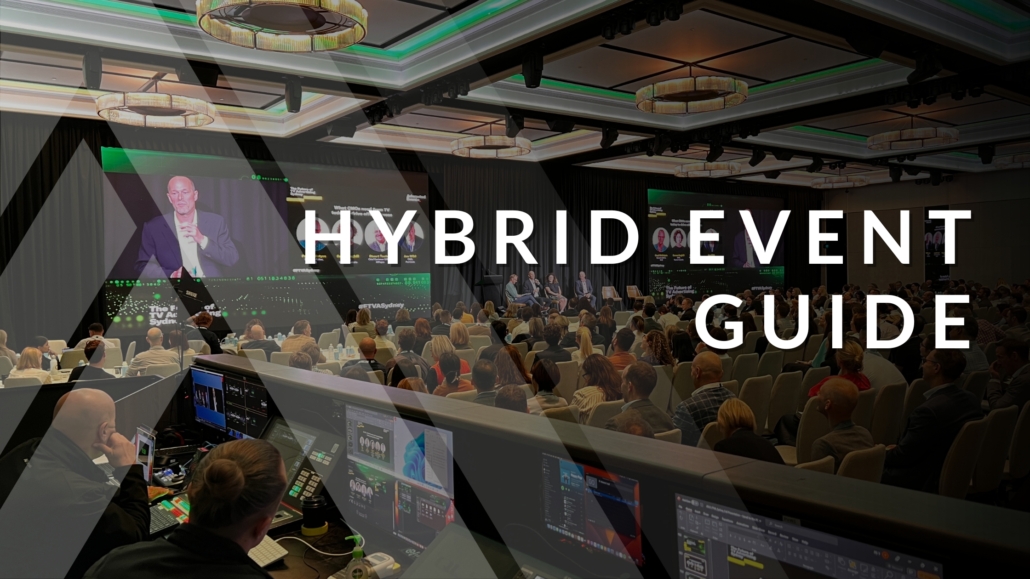
With live experiences roaring back to life and digital interactions becoming more sophisticated, the hybrid event has become a must‑have format for many event organisers in 2026. A hybrid event blends a live, in‑person audience with a virtual one, delivering both the energy of the room and the global reach of online participation. This guide explains how to hold a hybrid event that feels cohesive and captivating. According to event industry statistics, hybrid and virtual events now dominate event strategies, with roughly three‑quarters of planners adopting hybrid formats and more than 60 per cent increasing their investment in virtual platforms. Another survey found that 71 per cent of event planners plan to continue organising virtual and hybrid events even as restrictions ease. This shift isn’t just a fad: 95 per cent of companies say virtual events remain part of their strategy, and 70 per cent believe hybrid events are here to stay.

Hybrid events bridge the gap between physical presence and digital convenience. They allow attendees to join from anywhere, a critical feature when Freeman research shows that 46 per cent of trade show guests attend only one show per year and many international delegates now prefer to participate virtually due to travel costs, visa issues or safety concerns. Hybrid formats therefore expand your reach, boost accessibility and offer multiple revenue streams.

Why hybrid events matter in 2026

The global events industry is projected to grow to over $1.3 trillion+ in 2026, and much of this growth comes from hybrid experiences. Planners are embracing hybrid events not only for accessibility but also for cost efficiency. With a virtual‑first mindset, organisers can rent smaller venues, reduce travel and accommodation expenses, and still deliver impactful content to thousands of remote viewers. Micro‑events are also on the rise, rather than focusing on a few large conferences, many companies now host smaller, highly targeted events throughout the year.

Hybrid events cater to attendees’ changing expectations. Surveys show that more than 90 per cent of respondents want a balance between technology and in‑person experiences. Technology enables personalisation at scale: AI‑driven networking tools, real‑time polls, virtual breakout rooms and gamified challenges help remote participants feel as engaged as those in the room. Meanwhile, data collected during hybrid events, such as registration details, session attendance, social media engagement and feedback, allows organisers to refine future experiences. Nearly 95 per cent of marketers now track return on investment in real time, and 89 per cent prioritise personalised experiences based on data analytics. In‑person events still account for about 60 per cent of industry revenue, but hybrid events, currently around 5 per cent, are rapidly gaining ground.

Prepare your technology and content

Great hybrid events begin with meticulous preparation. Start by choosing a reliable event platform that supports live streaming, on‑demand playback, audience interaction and robust analytics. With 70 per cent of planners already using AI tools for personalisation and logistics, look for a platform that integrates features such as AI‑powered matchmaking and automated captioning. High‑quality production is essential, remote attendees will leave if they experience poor audio or blurry video. Ensure your cameras capture the right angles and your microphones deliver clear sound.

For professional support, consider partnering with AVPartners’ event technology specialists. Our team combines audio, vision and lighting expertise to create immersive experience, designing sound systems tuned to your venue’s acoustics and delivering stunning visuals through LED screens and projection.

Prepare all presentation assets, slides, videos, graphics and pre‑recorded interviews, well in advance. Load them into your streaming system and run rehearsals to test transitions. Speakers may feel more nervous knowing they’re being broadcast to a global audience, so coach them on addressing both in‑person and virtual attendees. If your event features ultra‑wide LED displays or extended reality sets, work with your technical team to customise the content appropriately. Our animation Customised content for ultra‑wide LED screens demonstrates how to tailor visuals to non‑traditional formats.

Design a unified experience

A successful hybrid event isn’t just a livestream of a physical conference; it’s a deliberately designed experience for two audiences. When planning your agenda, think about how each segment will resonate both in the room and online. Shorter sessions with clear outcomes are effective: micro‑learning modules prevent fatigue and cater to attention spans across time zones. Provide virtual attendees with their own networking lounges, chat rooms and Q&A channels so they can interact without feeling like second‑class participants. Technologies that allow remote participants to ask questions in real time and join discussion panels help bridge the gap.

On site, position your cameras to capture speaker close‑ups, audience reactions and wide shots that show the energy of the room. Stage design and lighting play crucial roles in making your event look polished on screen. Intelligent, programmable lighting sets the mood, highlights key moments and elevates the experience. Provide clear signage and digital displays that indicate when virtual audience questions are coming in, and encourage speakers to acknowledge remote attendees at the beginning of each session. Hybrid events are inherently interactive: polls, quizzes and gamified challenges not only boost engagement but also generate valuable data points for post‑event analysis.

Keep to schedule and manage time zones

Punctuality is paramount when your audience is spread across multiple locations. Virtual attendees tune in at specific times for keynote sessions; delays can cause frustration and drop‑offs. Create a detailed run sheet that accounts for transitions, speaker introductions and audience Q&A. Assign a moderator or chairperson to keep the programme on track and to monitor online chat and questions. If your event spans multiple time zones, consider repeating key sessions or providing on‑demand access so remote viewers can catch up. Breaking longer conferences into half‑day segments or micro‑events helps accommodate different regions and maintain energy levels.

Engage your audience and foster community

Hybrid events succeed when all participants feel included. Acknowledge virtual attendees during opening remarks and encourage interaction between online and in‑person audiences. For example, pair remote and on‑site participants in breakout discussions or networking games, and display live chat messages on venue screens. Networking capabilities are a key contributor to attendee satisfaction, yet connecting the two audiences is also one of the biggest challenges. Overcome this by appointing digital hosts to guide remote conversations and by using AI‑driven matchmaking tools to suggest connections based on interests and goals.

Remember to safeguard both physical and virtual participants. Choose platforms that offer end‑to‑end encryption, secure logins and protection against malicious bots. Communicate your privacy and safety protocols clearly so participants feel confident joining your event.

Measure success and extend the lifecycle

One of the biggest advantages of hybrid events is the depth of data they generate. While in‑person events still account for about 60 per cent of event revenue and hybrid events represent roughly 5 per cent, hybrid formats enable you to capture metrics you can’t get from a traditional conference. Track registration, engagement during sessions, dwell time in virtual expo booths, poll responses and social media activity. Use these insights to segment your audience, personalise follow‑up communications and improve your next event. With 95 per cent of marketers tracking ROI and 89 per cent focusing on personalisation, data‑driven decisions are no longer optional.

After the event, keep the conversation going. Make recordings available on demand, turn breakout discussions into blog posts, and invite participants to join your community platform. Hybrid events support year‑round engagement by providing a space where attendees can continue discussions and sponsors can share educational content. The shift from one‑off gatherings to ongoing communities builds trust and loyalty, and it creates new revenue opportunities through subscription access, premium content and sponsor activations.

Partner with the right AV team

Behind every seamless hybrid event is a team of experienced professionals. AVPartners specialises in virtual and hybrid event services, offering end‑to‑end production that includes creative planning, technical setup, live streaming, audience engagement tools and post‑event analytics. Our hybrid platforms feature plenary sessions, breakout rooms, sponsor areas and networking lounges tailored to your audience. We also provide professional studios for webinars and live broadcasts, equipped with high‑speed internet, cameras, microphones and lighting. By partnering with AVPartners, you gain access to broadcast‑grade equipment, expert technicians and customised platforms that ensure every attendee, on site or online, has an exceptional experience.

For organisers in Sydney, our Live Streaming & Hybrid Event Services Sydney hub offers centrally located venues with cutting‑edge technology and lightning‑fast internet. We can help you plan your next hybrid meeting, product launch or conference.

Conclusion

Hybrid events have evolved from a pandemic necessity into a core strategy for organisations that value reach, flexibility and data. With the events industry set to grow rapidly and attendee expectations rising, the hybrid model allows you to deliver immersive, engaging experiences to audiences everywhere. By preparing carefully, investing in high‑quality technology, designing inclusive experiences and working with an expert partner like AVPartners, you can hold a hybrid event that captures attention, drives engagement and delivers measurable results. By following these steps you will know how to hold a hybrid event that resonates with audiences and delivers measurable outcomes. Ready to make your next event truly hybrid? Contact us to explore how our virtual and hybrid event services can bring your vision to life.

technology for engaging presentations in action at PCEC

Hybrid and fully virtual events are no longer a temporary fix, they’re a permanent feature of modern event marketing. According to a recent Precedence Research report, the global virtual event platform market is forecast to grow from US $15.99 billion in 2025 to US $17.60 billion in 2026 and reach US $37.87 billion by 2034, a compound annual growth rate of around 10 percent. Event organisers have embraced this shift: nine out of ten see virtual events as here to stay, and nearly three‑quarters of companies treat webcasting as a core marketing tactic With a well‑executed webcast, you’re not just streaming video, you’re amplifying your message, enhancing ROI and extending your brand’s reach far beyond the walls of a single venue.

What is webcasting?

Webcasting is the live streaming of video and audio over the internet to an audience anywhere in the world. Viewers tune in on their own devices to watch keynote presentations, panel discussions or demonstrations in real time, and recordings can be made available on demand after the event. Webcasting forms the backbone of many of our Virtual & Hybrid Event Services from corporate conferences to annual general meetings, providing an accessible way for remote participants to join the conversation.

Why webcasting matters in 2026

Today’s audiences expect content to be accessible on their own terms, and the numbers show just how effective webcasting has become:

  • Bigger attendance and deeper engagement. A 2025 survey found that 83 % of hosts get higher turn‑out online than in person, and 77 % of marketers report better lead generation and brand awareness with virtual events. Because anyone can join from home or the office, you’re not limited by venue capacity or travel budgets.

  • Improved ROI and cost savings. According to 99firms, 81 % of organisers see better return on investment from virtual events than from physical ones, with average savings of around US $42 000 per event and 12 % more revenue per attendee. Fewer travel costs and lower production overheads translate to higher margins, even as you reach more people.

  • Rapid market growth. Verified Market Research predicts the virtual events industry will more than quadruple to US $231 billion by 2032, growing at an annual rate of about 25 %. This trajectory underscores how important professional webcasting has become for organisations of all sizes.

  • Environmental and DEI benefits. A Nature Communications study showed that shifting from in‑person conferences to virtual formats can reduce carbon footprints by 94 % and energy use by 90 %. Hybrid conferences with regional hubs can still cut emissions by two‑thirds while accommodating in‑person attendees. Many organisers also highlight how virtual events support diversity and inclusion: remote access enables participation from people who might otherwise face geographic, financial or accessibility barriers.

Benefits for your organisation

Webcasting isn’t just about replacing a live audience with webcams. When done well, it unlocks unique advantages for your event:

  • Extend your reach. Stream to thousands of participants across different time zones, and provide on‑demand playback so anyone can catch up later. This extended reach makes webcasting ideal for product launches, thought leadership, investor updates and more. It’s also a powerful tool for events like AGMs where shareholders may be unable to travel.

  • Boost marketing impact. Complement your digital campaigns with a webcast to deliver a polished, human connection. The average marketer notes stronger lead generation and higher brand recall when live streams are integrated into the customer journey.

  • Save on venue and travel costs. With no need for large ballrooms or interstate flights, virtual and hybrid events free up budget for content development and professional production. At the same time, viewers appreciate the convenience of watching sessions from home or the office.

  • Gather valuable data. Virtual platforms capture rich analytics – from registration details and viewing duration to questions and poll responses. These insights inform future event planning and sales follow‑ups, helping you tailor content for maximum impact.

  • Support sustainability goals. Reducing travel and onsite resource use cuts your event’s carbon footprint dramatically, aligning with corporate environmental, social and governance (ESG) priorities.

When to use webcasting

Webcasting can enhance virtually any live event. Here are some common use cases along with internal resources to help you plan:

  • Corporate meetings and town halls – Stream executive updates, strategy briefings and staff events across multiple offices. See our Meeting & Conference AV Solutions for space‑specific advice.

  • Conferences and exhibitions – Share keynote sessions and panel discussions with remote delegates. Record customer testimonials and interviews on the show floor for later promotion. Our Virtual & Hybrid Event Services can integrate plenary sessions, breakouts and sponsor booths into one platform.

  • Gala dinners & awards nights – A live webcast can amplify the excitement, drive greater exposure and give sponsors more visibility. Combine it with our Awards Night AV Solutions to create a sophisticated on‑site experience.

  • Annual general meetings (AGMs) – Keep shareholders informed and compliant by streaming reports, voting processes and Q&A sessions. Learn more about our AGM AV Solutions.

  • Product launches and demos – Reveal new products via a live webcast, then leverage on‑demand replays for marketing and training. Explore our Product Launch AV Solutions for inspiration.

  • Training and education – Provide professional development or certification courses online. Our experience in Education AV Installation means we understand how to keep remote learners engaged.

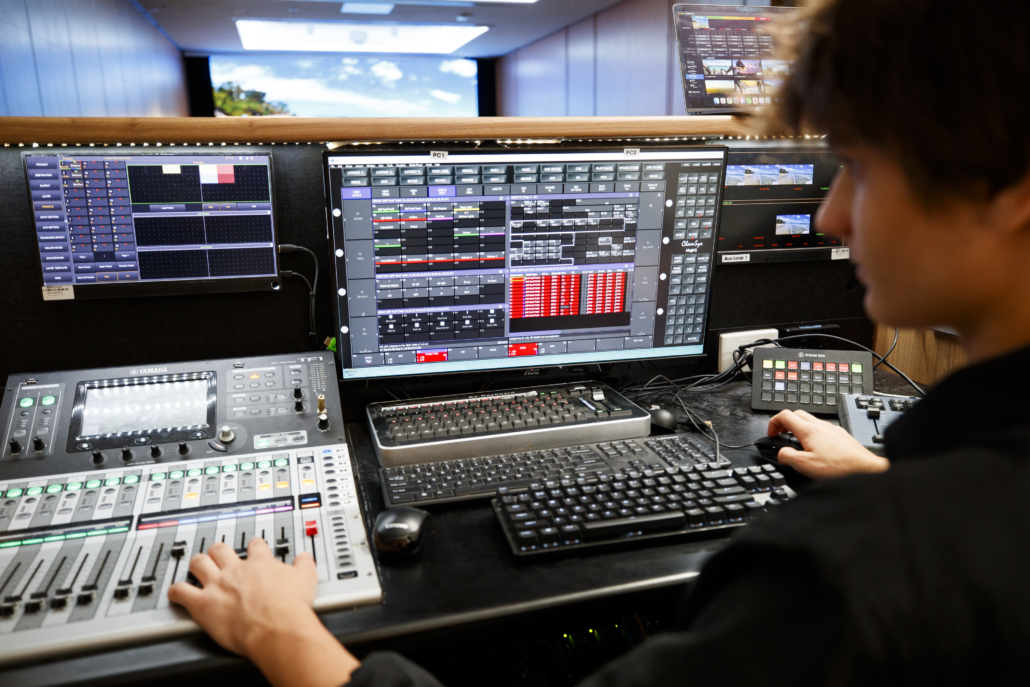
Working the AV equipment at an event

Planning a successful webcast

For a professional result, consider these tips:

  1. Invest in quality production. Crisp audio, high‑definition video and branded graphics signal professionalism and keep viewers engaged. Our virtual event production team uses broadcast‑grade equipment and reliable streaming platforms to ensure your content looks and sounds its best.

  2. Engage your remote audience. Incorporate live polls, Q&A sessions, chat moderators and social media hashtags to foster interaction. Audience engagement features are proven to improve knowledge retention and enjoyment.

  3. Plan for hybrid integration. If you’re combining in‑person and remote elements, ensure everyone can see, hear and interact equally. Use multi‑camera setups, interactive screens and dedicated technical support to bridge the gap between the room and the webcast.

  4. Prioritise accessibility. Offer live captioning and sign language interpretation to accommodate diverse audiences. Consider providing transcripts and on‑demand videos for those who cannot attend live.

  5. Measure and adapt. Review analytics to see how long people watched, which segments sparked questions and which calls to action performed best. Use this information to refine future events and marketing campaigns.

Start streaming with AVPartners

Whether you’re hosting a national conference, launching a product or engaging shareholders, a professional webcast can elevate your message and deliver tangible business results. AVPartners’ Virtual & Hybrid Event Services combine high‑end production, interactive platforms and experienced technicians to ensure your broadcast runs smoothly from start to finish. Talk to our team about integrating live streaming into your next event or explore our Live Streaming & Hybrid Event Services in Sydney to see how we can help you reach audiences anywhere.

a man on stage using modern AV essentials for keynotes
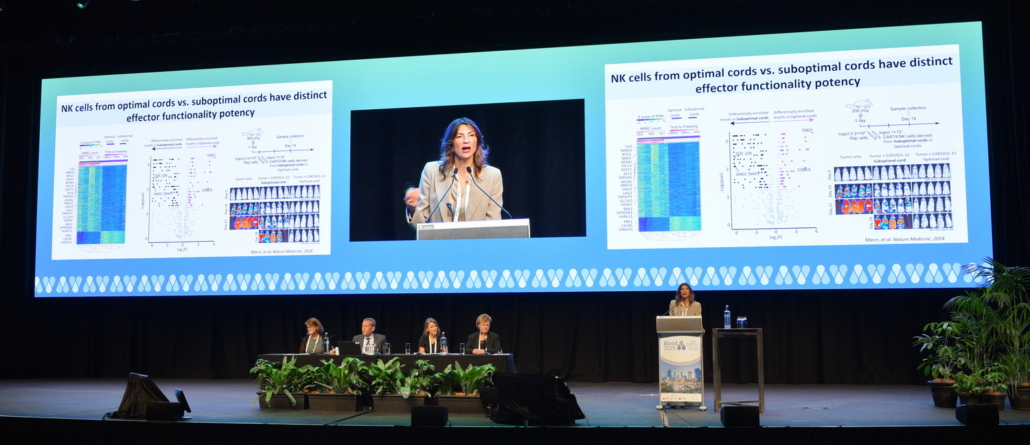
Delivering an inspiring keynote takes more than a confident speaker and compelling content. In today’s hybrid‑first world, audiences expect polished audio‑visual (AV) experiences, seamless digital integration and inclusive features that make everyone feel welcome. Research shows that live events build trust and drive engagement better than digital alone, 95 % of attendees trust brands more after participating in an in‑person event, and 82 % prefer attending events in person rather than virtually. Yet modern audiences are also tech savvy, meaning your AV strategy needs to bridge physical and digital channels seamlessly.

This guide brings your keynote into the 2020s. It balances proven principles, clear sound, high‑quality visuals and pre‑event checks, with emerging trends such as LED walls, multi‑camera streaming, hybrid engagement tools and accessibility technologies. Use these recommendations to partner with your AV team and design keynotes that resonate with in‑person and remote audiences alike.

Prioritise Crystal‑Clear Audio

If attendees can’t hear or understand the speaker, the message is lost. Always start with a solid audio plan:

To dive deeper into crafting flawless event sound, explore our perfect sound for events guide.

Choose the right microphone and master technique

  • Select the right mic – Match microphone type (handheld, lapel or headset) to the venue and presentation style. Headset or lavalier mics free the speaker’s hands while providing consistent sound.

  • Project your voice – A microphone amplifies your natural voice; it doesn’t replace it. Encourage speakers to breathe deeply and speak clearly so the microphone can pick up the full frequency of their voice.

  • Maintain proper distance – Keep a consistent distance and angle to avoid popping or muffled sounds. Speak across the microphone rather than directly into it, and avoid tapping or clapping near it.

  • Mind posture and movement – Standing upright and moving with your shoulders, not your head, keeps audio levels consistent and ensures the microphone stays positioned correctly.

Invest in immersive sound design

  • Use distributed speaker systems – For large rooms, multiple speakers strategically placed around the venue help maintain consistent volume and clarity. Demand for sophisticated conferencing solutions continues to rise, with research firm Frost & Sullivan projecting that the global conferencing market will reach US$28.6 billion by 2026.

  • Add assistive listening options – Offer headset receivers or induction‑loop systems for guests with hearing impairments. Inclusive audio ensures your message reaches everyone.

  • Plan for hybrid – If you’re live streaming, capture clean audio feeds and provide separate mixes for in‑room and remote audiences. Multi‑camera setups and mixing consoles enable you to balance these feeds without compromising quality.

Deliver High‑Impact Visuals

Visuals anchor your story and shape how audiences perceive your brand. Here’s how to make them shine:

Opt for LED walls and high‑brightness displays

LED displays have become the gold standard for keynote stages. They combine individual panels into seamless video walls that can be built straight, curved or custom‑shaped, remain bright in daylight and withstand heavy use. Their energy efficiency and long lifespan,often rated for 100 000 hours  also reduce long‑term costs and environmental impact. For details on AVPartners’ LED solutions, see our Gloshine LED displays offering.

Where venue budgets don’t allow for LED, large high‑brightness flat panels are a strong alternative. Standard office displays are typically 350–400 nits, but ambient light in conference venues often requires brighter screens. Industry standards recommend a display brightness roughly five times brighter than ambient light to ensure crisp contrast. A good AV partner will size and position displays so all attendees enjoy unobstructed views.

Complement visuals with dynamic content

  • Incorporate motion – Video clips, animations and kinetic text help maintain attention. LED walls handle motion smoothly; if you’re using projection, ensure the projector supports high refresh rates to avoid motion blur.

  • Optimise for multiple screens – Many venues now offer secondary screens or confidence monitors for speakers. Design slides for both: create large, legible text for main screens and detailed notes for presenter views.

  • Make content interactive – Use live polls, real‑time Q&A or audience feedback displayed on screen. Active participation has been shown to increase audience attentiveness and enjoyment compared to passive lectures.

For design inspiration and practical tips on creating engaging slides, check out our internal guide on avoiding “Death by PowerPoint”, which explores how to use visuals effectively to captivate your audience.

Build Hybrid Engagement

In 2024 and beyond, keynotes often serve audiences both in the room and online. To deliver a unified experience:

  • Deploy multi‑camera production – Switch between wide shots, close‑ups and audience reactions to keep remote viewers engaged. Affordable multi‑camera rigs and software make broadcast‑quality streaming more accessible.

  • Enhance interactivity for remote participants – Tools like live chat, audience response apps and QR‑code polls give virtual attendees a voice. Analytics from these tools provide insight into viewer behaviour, helping you refine content.

  • Use confidence monitors – Place monitors showing remote questions or chat near the speaker’s sightline so they can respond naturally without breaking eye contact.

  • Plan for reliable connectivity – High‑bandwidth Wi‑Fi and backup wired connections are essential. The rollout of 5G is improving streaming quality and reducing latency. For professional streaming support and guidance, explore our live streaming event services.

To take hybrid engagement to the next level, explore our virtual and hybrid event services for end‑to‑end support.

Create Inclusive and Accessible Experiences

Your keynote should be accessible to everyone. Beyond choosing DDA‑compliant venues, consider these measures:

  • Provide captioning – Closed captions benefit not only deaf or hard‑of‑hearing attendees, but also non‑native speakers and anyone in a noisy environment. Closed captions enhance comprehension for all viewers by providing textual reinforcement and are increasingly mandated by regulation. Advances in automatic speech recognition and AI have improved caption accuracy and lowered costs.

  • Offer sign‑language interpreters – When possible, arrange interpreters on stage or provide a picture‑in‑picture feed for remote viewers. This demonstrates commitment to inclusion.

  • Describe visuals for blind or visually impaired attendees – Provide descriptive narration of charts and images. Offer large‑print or digital copies of slides that can be read via screen readers.

Rehearse and Collaborate with Your AV Team

Conduct a thorough pre‑event technical run

Schedule a rehearsal with your AV team to test sound, visuals and transitions. This time allows the speaker to become comfortable with the microphone, monitors and stage layout. It’s also an opportunity to calibrate lighting for camera shots and confirm that captions, videos and slides appear correctly.

Want more tips on preparing your speakers? Read our speaker preparation guide for checklists and advice on easing nerves and running through technical details.

Keep experts on hand

Ensure your AV partner is present during the presentation to manage cues, troubleshoot issues and adjust settings in real time. Their expertise allows the presenter to focus on storytelling without worrying about technical details.

Modern Trends to Watch

The AV industry continues to evolve rapidly. While not every keynote requires bleeding‑edge tech, being aware of emerging trends can inspire creative touches:

  • Extended reality (XR) and holography – Technologies blending physical and digital spaces, such as holographic displays and volumetric video, are moving from the lab to the stage. Used sparingly, they can create memorable “wow” moments.

  • AI‑driven enhancements – Machine learning powers automatic camera tracking, adaptive lighting and personalised content delivery. AI analytics also provide real‑time feedback on audience engagement, allowing presenters to adjust on the fly.

  • Energy‑efficient systems – Sustainable event practices are gaining prominence. LED lighting and solar‑powered stages reduce environmental impact.

Final Thoughts and Takeaways

A successful keynote marries compelling content with flawless AV execution. Modern audiences expect more than slides and a microphone; they want immersive visuals, clear sound, interactivity and inclusive features. Meanwhile, digital touchpoints before, during and after events amplify reach and conversion: 87 % of working professionals visit a brand’s website after attending a live event, and 85 % are more likely to purchase from that brand afterwards. By working closely with an experienced AV partner and embracing both established best practices and emerging innovations, you can deliver keynotes that inspire, engage and convert.

Ready to make your next keynote unforgettable? Contact us today for a consultation and discover how AVPartners’ sales and installation experts can tailor technology to your venue, audience and message.


Small group seminar in a hotel meeting room with interactive screen

What Is a Seminar? Definition, Benefits and 2026 Event Trends

Seminars are among the most common types of professional gatherings. Educational in nature, they bring together like‑minded people to learn about a particular subject. A seminar is a more formal event focused on training or information sharing, offered in an academic instruction‑style setting. Unlike informal conferences where opinions and thoughts are shared freely, seminars are shorter in length and structured. They remain an effective way to build brand awareness and establish thought leadership. As the events industry looks toward 2026, seminars continue to evolve, integrating the latest event technology and sustainability practices to meet attendee expectations.

What do seminars involve?

A typical seminar features one or more subject‑matter experts presenting information with the aid of visual slides, demonstrations and interactive equipment. Attendees are not expected to participate heavily; instead they listen, take notes and ask questions at the end. Seminar formats vary widely: business seminars focus on industry insights and networking; personal‑development seminars help individuals learn new skills; academic seminars often involve research presentations; and many large conferences include seminars as breakout sessions.

To support effective delivery, your audiovisual setup should include high‑quality projection or LED screens, staging, lighting, microphones and speakers. An experienced AV provider can design custom slide templates, integrate digital demonstrations and ensure presenters’ messages are conveyed clearly. AVPartners offers comprehensive event technology solutions that combine audio, vision and staging expertise to bring seminars to life.

Where are seminars held?

Most seminars take place in hotel meeting spaces, conference rooms, convention centres or academic institutions. These venues offer the flexibility to configure seating, staging and breakout spaces for different session lengths and group sizes. For clients who prefer smaller settings, seminars can also be delivered in corporate boardrooms or training rooms. AVPartners has installed professional AV in venues nationwide, including dedicated conference centre installations and training room AV installations that provide crisp visuals and pristine audio.

Why seminars still matter in 2026

The events industry is transforming as we move through 2025 and look ahead to 2026. Hybrid events have matured; planners are creating fully integrated experiences where in‑person and online participants feel equally valued. While seminars remain mostly in‑person gatherings, streaming technology and interactive tools now enable remote attendance, live polling and AI‑powered networking. Sustainability is also a top priority: digital materials are replacing printed programs, and venues are chosen for strong environmental credentials.

Other emerging trends influence how seminars are designed. Micro‑events—smaller, more frequent gatherings—allow deeper interactions and help communities stay connected. Event technology is advancing rapidly; facial‑recognition check‑ins, AI chatbots, translation services and holographic displays create seamless, accessible experiences. Wellness‑focused programming and immersive design encourage breaks, movement and mindfulness to keep attendees engaged. These trends show that seminars are not static; they are adapting to meet the needs of modern audiences.

Equipment and technology for modern seminars

Delivering a successful seminar requires more than a lectern and a projector. You need a seamless integration of audio, lighting, visuals and interactive technology. Start with high‑resolution displays or LED walls to ensure slides and videos are clear to all participants. Professional lighting enhances the presenter’s visibility and supports camera recordings or livestreams. Sound design is critical; use quality microphones and speakers to deliver clear speech and capture audience questions. For hybrid seminars, invest in streaming platforms that provide chat, polling and live captioning.

Incorporate features like digital sign‑in, personalised agendas and real‑time feedback. Many 2026 events use AI to recommend sessions and connect attendees with similar interests. Consider using sustainable technologies such as digital handouts and energy‑efficient equipment. AVPartners’ Virtual & Hybrid Event Services integrate broadcast‑grade streaming with in‑room production, ensuring remote participants enjoy the same quality as those on site.

Conclusion: Choosing the right partner

Seminars remain an important tool for building brand awareness, establishing credibility and sharing expertise. They provide structured learning environments with targeted audiences and measurable outcomes. To make your seminar a success in 2026, focus on high‑quality content, interactive technology and sustainable practices. Ensure your AV setup supports both in‑person and remote engagement. AVPartners has the creativity, technology and experience to deliver seminars that captivate audiences and align with modern event trends. To discuss your seminar needs, reach out via our contact page or explore our meeting and conference AV solutions to discover how we can support your next event.

In a significant development for the Australian hospitality and events industry, AVPartners, a leading provider of integrated event and audiovisual services, is thrilled to announce its new partnership with the prestigious InterContinental Sanctuary Cove Resort. This partnership underscores AVPartners’ commitment to expanding its footprint in the luxury resort sector, where it has already achieved remarkable success.

AVPartners will be introducing state-of-the-art technology installations, including an impressive LED screen, AI tracking production cameras, creative lighting solutions, and meeting rooms equipped with the latest technology, all designed to elevate the event experience to new heights.

Leading the charge on this new venture will be Mitch Grant, a respected partner at AVPartners, renowned for his instrumental role in driving the company’s success on Hamilton Island. Mitch’s leadership and visionary approach have been pivotal in setting new benchmarks for event execution and client satisfaction. Under his guidance, the team is poised to replicate this success at InterContinental Sanctuary Cove Resort, promising an exciting future for guests and event planners alike.

“We are incredibly excited about this partnership,” said Managing Partner Andrew Hackett at AVPartners “InterContinental Sanctuary Cove Resort is a remarkable property, and we are familiar with its unique offerings and potential. With Mitch Grant leading our talented team, we are confident in delivering exceptional experiences that surpass expectations.” 

This partnership marks a pivotal moment where innovation meets elegance, setting a new standard for luxury events in Australia. 


AVPartners, a premier audiovisual company in Australia, is delighted to announce the installation of a groundbreaking ultra-wide, stage-to-ceiling, LED screen in the renowned ballroom at the Four Seasons Hotel Sydney. As an industry leader known for its innovative and superior quality offerings, AVPartners is once again pushing the boundaries to redefine the visual experience in the event industry.

In 2017, AVPartners pioneered the first installation of an ultra-wide LED screen in an Australian ballroom setting at the Four Seasons Hotel Sydney. Despite initial uncertainties, this pioneering move proved prescient. Over the years, clients have showered praise on this immersive technology that offers a superior experience to traditional projection and screen setups.

Fast forward to 2023, and AVPartners is once again at the forefront of innovation, introducing a stage to ceiling LED screen, aptly named “Immersive Infinity,” along with an AI camera tracking system. This stunning visual backdrop measures an impressive 16m x 4m, offering an unmatched immersive experience. Speakers now have the opportunity to truly immerse themselves within their presentations, creating a dynamic and inspiring visual narrative for their audiences.

The state-of-the-art AI camera tracking system offers precise tracking of presenters on stage, automatically following their movements and adjusting focus as needed. This innovative technology enables attendees to focus more on the content of the presentation, eliminating potential distractions from manual camera operations.

The ultra-wide LED screen is also designed with flexibility in mind. Mounted on a sophisticated tracking system, the screen can adapt to meet any event requirement. From splitting and joining to create multiple screens or banners, to creating walk-through doorways under the LED screen, the technology can transition smoothly from a conference setting to a gala at a moment’s notice.

“Our LED screen goes beyond size; it’s about enhancing the overall event experience with vibrant, ultra HD visuals and automated interactivity,” said AVPartners partner Nigel Taylor. “We’re confident that this will greatly improve the visual atmosphere and engagement of events at the Four Seasons Hotel Sydney.”

The ultra-wide LED screen and AI camera tracking system are now available for use at all events hosted at the Four Seasons Hotel Sydney.

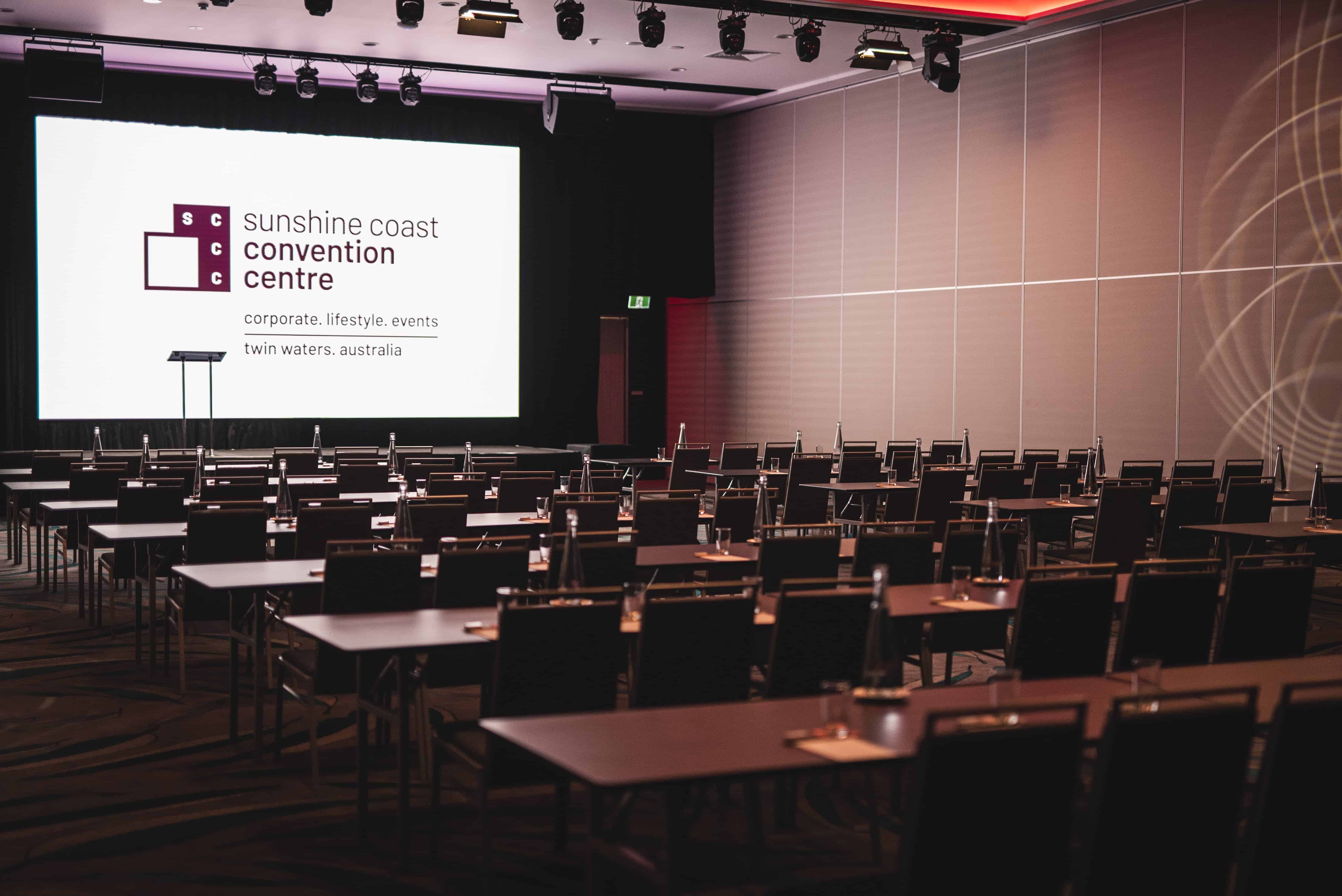
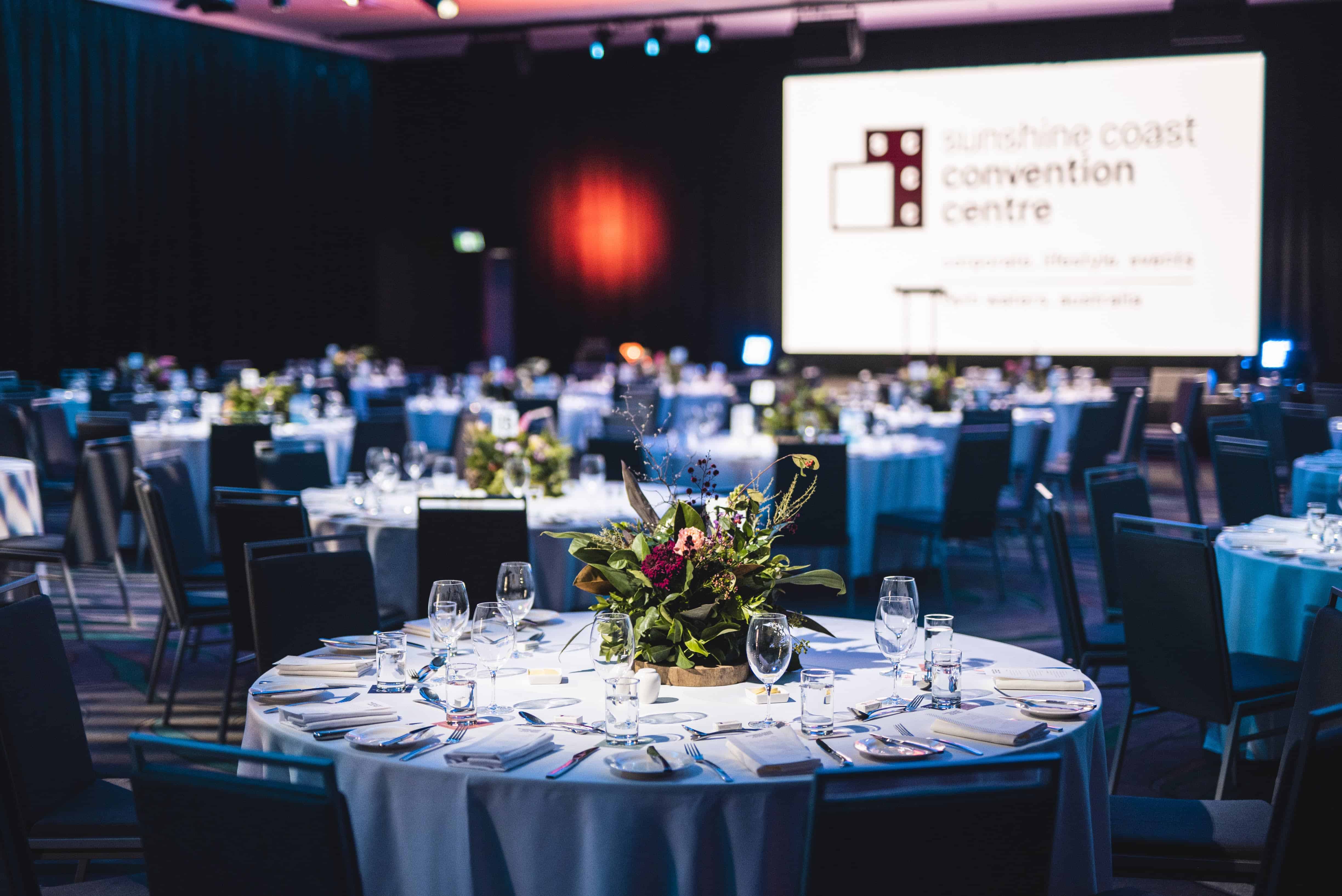
The newly-opened Sunshine Coast Convention Centre boasts the largest installed LED screen in Australia.

Five months after the grand opening of the Sunshine Coast Convention Centre (SCCC), in-house audiovisual provider AVPartners is delivering unprecedented event production services to the Sunshine Coast. AVPartners was involved throughout the planning and build of the $10 million purpose-built centre and has installed industry-leading audiovisual technology, the highlight of which is a staggering 24m-wide stage-to-ceiling LED screen.

The LED screen is the largest installed screen in Australia and is suspended on a custom track allowing it to be separated into multiple configurations. This technology caters for the traditional 16:9 content right through to the ultra-wide 24m screen, with tailored media bringing endless concepts for branding and event experiences to life. When in its full size, the screen boasts an 8K resolution width. 

AVPartners’ Partner Ritchie Harland said, “The sheer scale of the screen and the incredible colour replication means client content is delivered exactly as envisioned with phenomenal success. We’re excited to be working with this state-of-the-art technology and creating unforgettable events for our clients.” 

Event experiences can be created from the moment guests approach the Arrivals lounge, which is an immense 400sq metre area featuring high sloping ceilings, luxurious relaxed seating, an impressive 5m x 3m LED screen, digital signage and secretariat — all of which can be customised to suit a client’s needs and tailored by AVPartners’ expert stylists. 

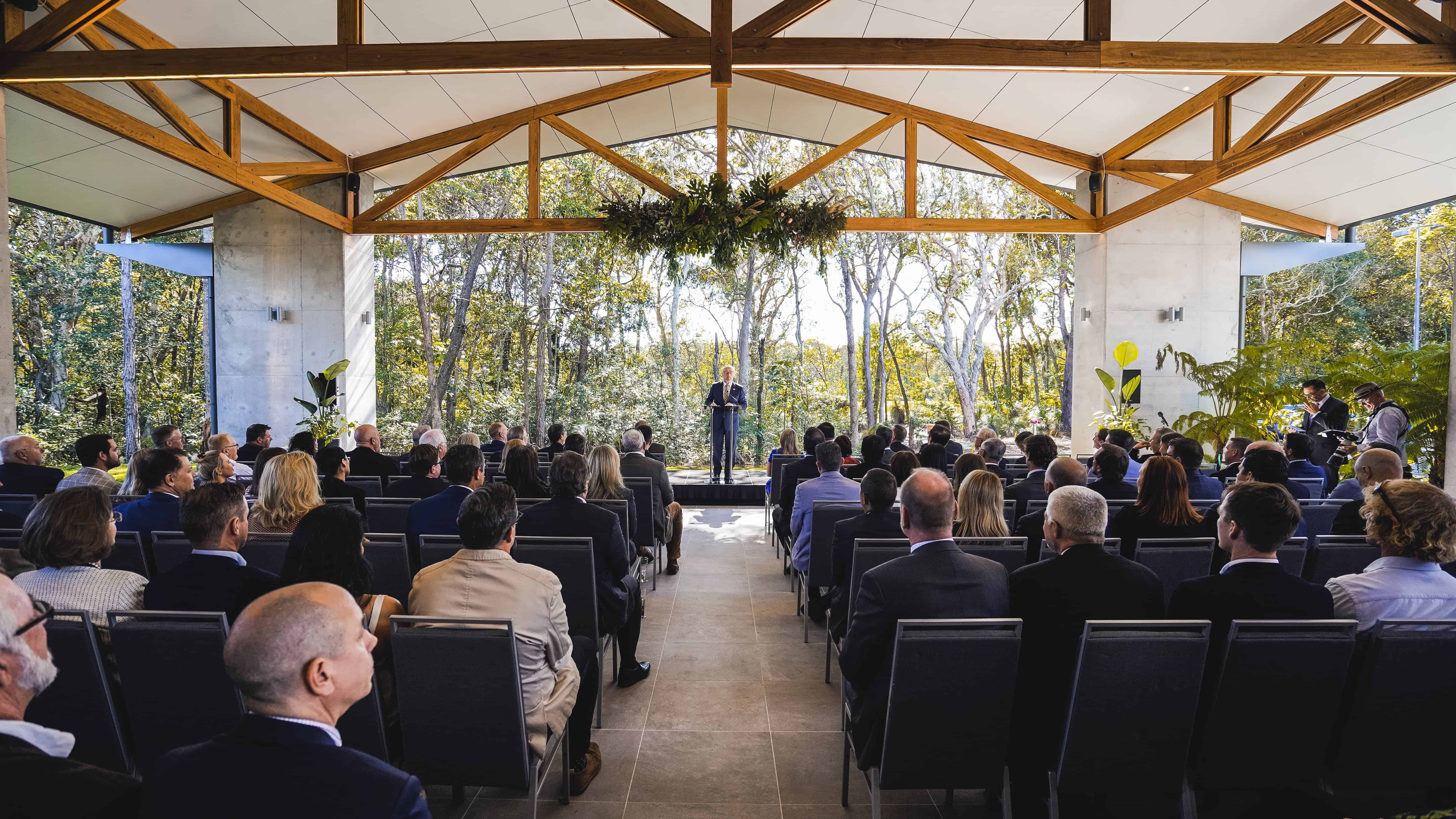
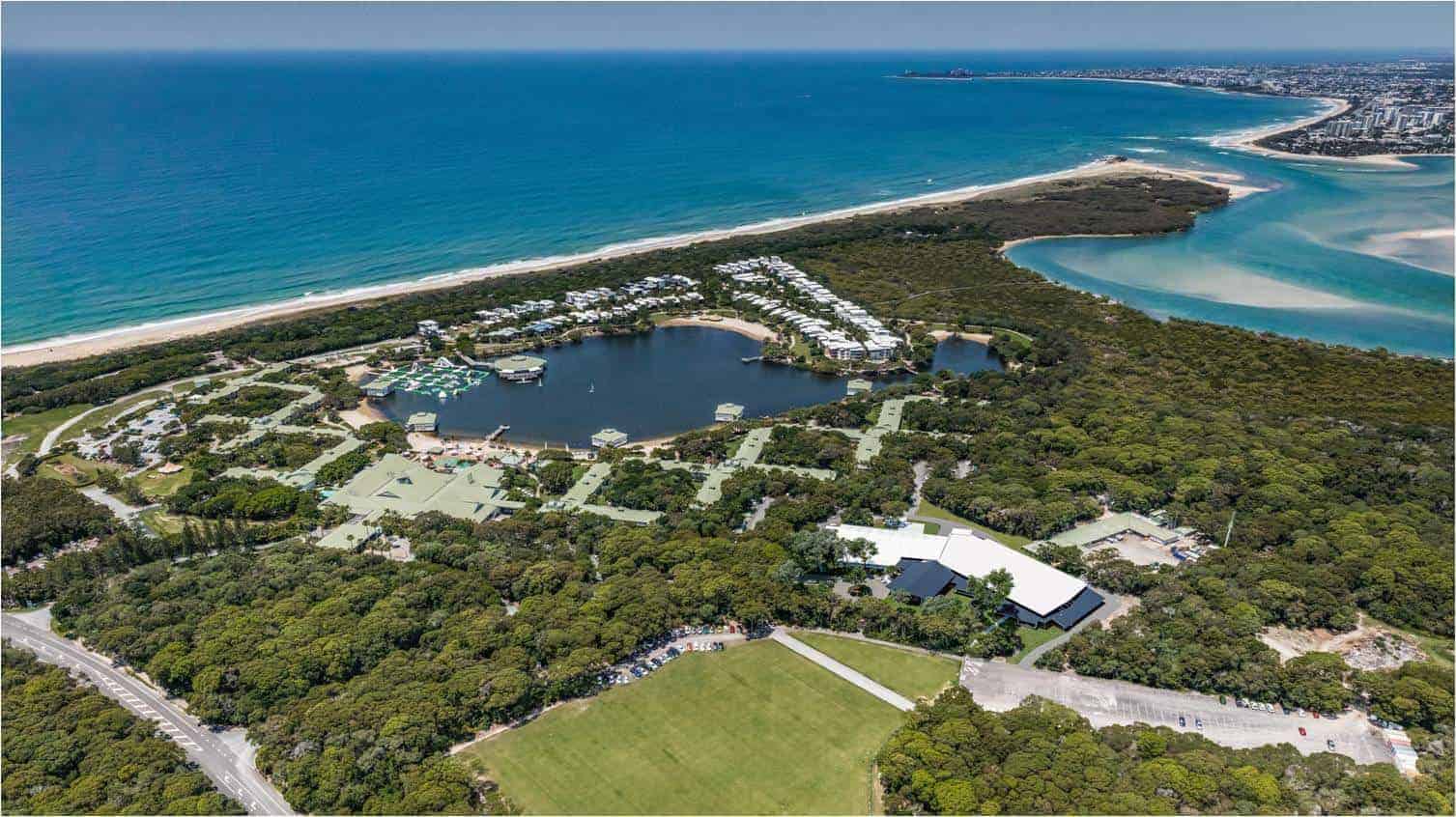
The tropical regional setting of the Sunshine Coast Convention Centre provides a point of difference to the facilities found in major cities and convention centres.

“Guests are stunned every time they step out of their events into the natural oasis surrounding the centre,” Mr Harland said. “The setting becomes part of the event experience and is completely unique to the Sunshine Coast.”

AVPartners provides the technology, style and expertise to deliver flexible, transformative and unique events from conferences to gala dinners, trade shows and exhibitions and social events.

As AVPartners were involved with the architects and builders during the design and development of the convention centre, installed audiovisual technology is seamlessly integrated into the venue. 

North-East Queensland regional partner for AVPartners Andrew Delangen said, “Being involved from the very beginning allowed us to put forward design ideas to provide a safer, faster, cleaner and future-proof product.

“This provides the client with flawless event execution, and means no matter where guests are positioned in a room, they will experience the clearest sound and unforgettable visuals, whether it is an event for 20 people or a thousand.”

Ritchie and his team of Technical Event Managers, Stylists and Technicians are thrilled to be putting their abilities and technology on display this coming November when the Sunshine Coast Convention Centre will be hosting the Queensland Tourism Awards. 

The event is a huge win for the Sunshine Coast and is one AVPartners is delighted to be a part of.

About Sunshine Coast Convention Centre and Novotel Sunshine Coast Resort

The Sunshine Coast Convention Centre is the ultimate conference, meeting and event venue destination, located within natural beauty of bush and beach at the Novotel Sunshine Coast Resort.   The premier convention and event destination combines a world-class business and leisure venue with event expertise to create unique experiences. Industry-leading facilities cater for groups, organisations and associations across a wide range of industries and interests. With fresh air and fresh ideas, we offer a flexible new way to conference, curating unforgettable unique experiences which are outside the box and creatively integrate indoor and open spaces with world-class technology, hospitality and services.

Delivering Wonder-Full experiences and smart business outcomes. Step outside the box, this is not your average convention centre, discover more at https://sunshineccc.com/