Smartphones have become indispensable in our daily lives. They help us shop, navigate, communicate and remember important dates. At events, however, their role is more complicated. On the one hand, mobile devices can distract delegates and reduce face‑to‑face interaction. On the other, powerful event apps and mobile tools enable real‑time updates, personalised agendas and stronger networking. With new event technology trends emerging for 2026, event planners must decide whether smartphones help or hinder their objectives and how to strike the right balance.
The downside: distraction and digital fatigue
Smartphone use has exploded in recent years. A Gallup survey shows that the percentage of U.S. adults who believe they use their phones too much jumped from 39 percent in 2015 to 58 percent in 2022. Excessive screen time can harm relationships and reduce engagement; meeting participants who repeatedly check their phones may break eye contact and disengage from discussions. Research by the University at Albany found that mobile phone distractions significantly reduce learning and recall in young adults. In events, constant notifications and social media updates can cause attendees to miss key insights or sessions.
Beyond distraction, digital fatigue is growing. A 2025 study estimates that over 1.58 billion people worldwide experience some level of smartphone addictions. Smartphones can pull attendees’ attention away from live presentations and networking opportunities, diminishing the value of in‑person connections.
The upside: mobile tools that enhance events
Despite the risks, smartphones play an important role in modern events. Mobile event apps centralise schedules, ticketing and communications, giving planners and attendees a single source of truth. When an event app is used, the schedule is always up to date and accessible, reducing confusion and last‑minute questions. Real‑time push notifications help attendees navigate unexpected changes such as speaker delays or room moves. QR code check‑in speeds up entry, eliminates long queues and improves record‑keeping.
Mobile apps also empower personalised experiences. Attendees can build their own agendas, select the sessions that matter to them and receive recommendations based on interests. Networking tools inside apps allow delegates to connect with peers and schedule one‑to‑one meetings. Event organisers benefit from immediate feedback and richer data; integrated feedback forms and polling enable real‑time engagement and improvement. These tools turn events into sources of first‑party data that can inform future planning.
2026 trends: more intelligent, personalised and immersive
Event technology is evolving rapidly, and smartphones sit at the centre of many emerging trends. In 2026, mobile messaging and in‑app notifications are supplanting generic emails; SMS, rich communication services and app alerts deliver higher engagement and reduce no‑shows. AI‑powered event apps provide smart registration, AI‑generated agendas and targeted notifications. Attendees expect hyper‑personalised experiences, from tailored agendas to session recommendations based on their behaviour and preferences. Gen Z delegates, who value authenticity and bite‑sized experiences, demand intuitive mobile interfaces and gamified interactions.
At the same time, there is a growing movement toward balancing digital engagement with offline experiences. The Offline Club, a community founded in the Netherlands, creates phone‑free spaces where people can talk, read or play games. Rising numbers of meeting participants say immersive experiences and shared analog moments create more memorable events. Some event designers are reintroducing analogue interactions—such as hand‑cranked ballot balloons for audience polls—to encourage attendees to look up from their screens. The key is to keep smartphones as tools rather than destinations.
Strategies for mindful smartphone integration
To harness smartphones effectively while minimising distractions, consider these strategies:
- Set expectations and provide guidelines. Communicate your event’s mobile policy early. Encourage attendees to use event apps for schedules and networking but ask them to mute notifications during sessions. Outline digital etiquette in your pre‑event communications and remind delegates to focus on live speakers.
- Use event apps to simplify logistics. Choose a robust mobile event platform that centralises registration, agenda building, venue maps and networking tools. Look for features like push notifications, personalised agendas and QR code check‑ins. Encourage attendees to build their own schedules and offer real‑time updates through the app.
- Create phone‑free zones and moments. Designate specific areas or time blocks for offline interaction. For example, consider a phone‑free luncheon or workshop where attendees can connect without distractions. Encourage analog activities such as facilitated networking games, physical polls or interactive installations to foster meaningful interaction.
- Leverage mobile marketing and social media wisely. Smartphones offer powerful marketing channels. Encourage attendees to share photos and insights using your event hashtag; this amplifies reach and builds online buzz. However, avoid encouraging constant phone use during sessions. Provide designated times—such as breaks or networking receptions—for capturing and sharing content.
- Prioritise data privacy and accessibility. With increased use of mobile apps, compliance and security are critical. Ensure your app meets privacy regulations and offers accessible design options such as captions and screen reader compatibility. Communicate how attendee data will be used and offer opt‑in consent for marketing communications.
Applying these insights with AVPartners
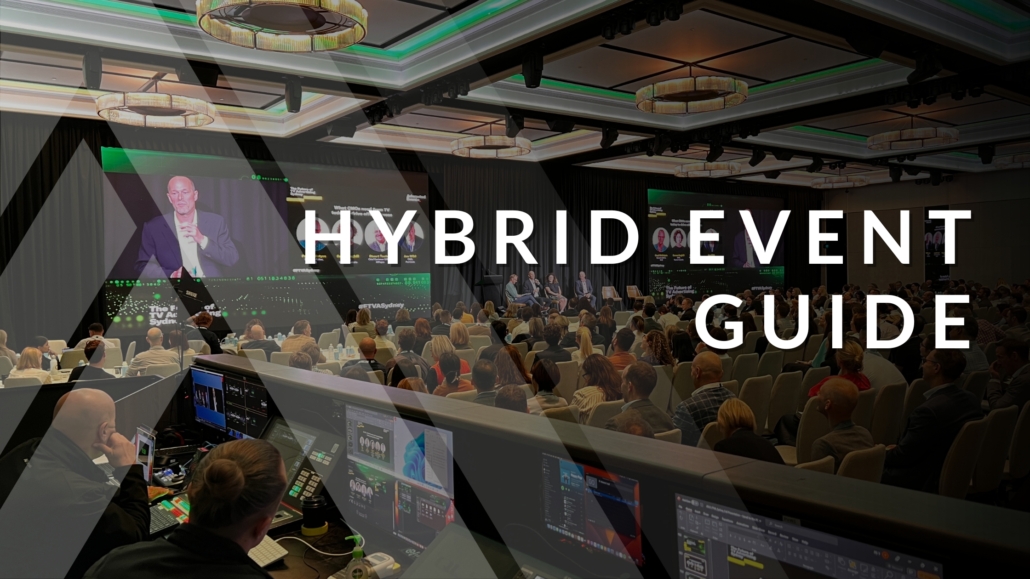
AVPartners offers state‑of‑the‑art event technology solutions that integrate seamlessly with mobile event apps, enabling features like hybrid streaming, real‑time updates and interactive polls. Our team can also design theming, staging and styling elements that complement mobile‑driven experiences and create dedicated phone‑free zones.
For virtual or hybrid events, our live streaming services ensure remote participants receive the same high‑quality content delivered via their devices. To discuss strategies for integrating smartphones into your next event, contact us today.
Conclusion
In 2026, smartphones are neither wholly friend nor foe to event planners. They can distract delegates and contribute to digital fatigue, yet they also unlock powerful tools for scheduling, networking and personalised engagement. The key is mindful integration: use mobile apps to improve logistics, personalise journeys and collect rich data, while balancing digital interaction with offline experiences. With careful planning and the right technology partner, smartphones can enhance your events and drive stronger outcomes.