
Tag Archive for: conference

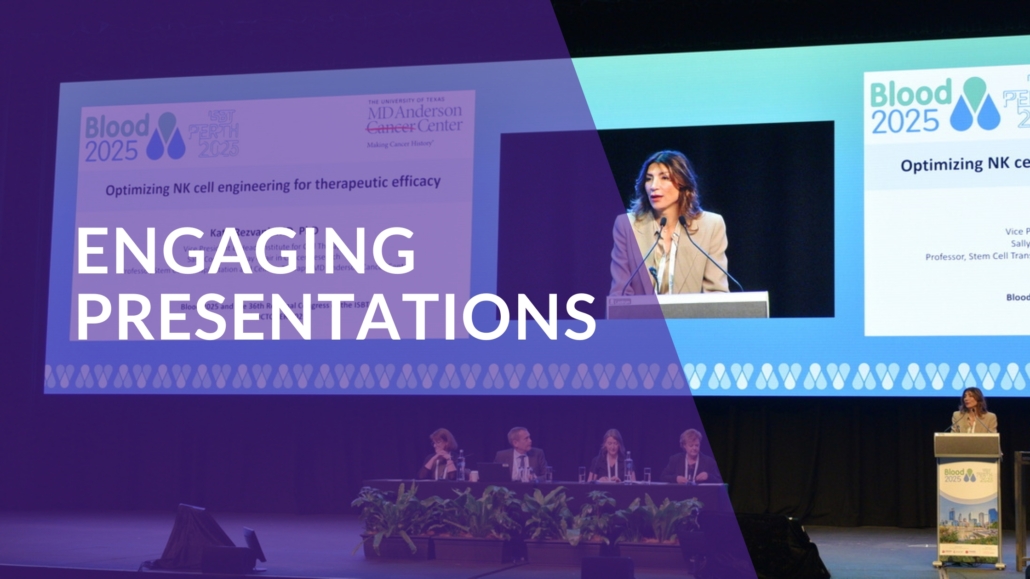
Engaging presentation showing interactive slides on a UHD led screen.
Introduction

Whether you are giving a keynote speech, running a seminar or moderating a panel, your main objective is to keep your audience engaged. Research shows that storytelling activates the same parts of the brain involved in experiencing events and strengthens emotional connections. Great presentations also depend on audio quality, interactivity and visual design. This guide explains how to harness storytelling, sound engineering, second‑screen technology, staging, lighting and colour psychology to captivate attendees in 2026.

Structure your narrative around stories

Facts alone rarely stick; humans remember and relate to narratives. Start with a real example or anecdote that illustrates your key message, introduce a human element, follow a simple arc (beginning, middle, end), and speak authentically rather than reading a script. Stories help audiences connect emotionally and improve recall. Make sure your stories align with the event’s theme and objectives.

Prioritise professional audio

Studies from USC and Yale demonstrate that poor sound quality makes speakers seem less intelligent and trustworthy. Conversely, clear, balanced audio increases engagement and recall. Chose a venue with a professional in-house AV team like AVPartners. Our Event Technology services include high‑fidelity microphones, mixing consoles and acoustic treatments to ensure every word is heard.

Leverage second‑screen and interactive tools

Mobile devices can distract audiences, but they can also enhance engagement. Second‑screen apps allow attendees to view slides, respond to polls, submit questions and take notes on their smartphones. Interactive platforms even let participants vote on discussion topics in real time. By integrating these features into your event app or web platform, you give attendees more control over their experience and collect valuable feedback. AVPartners can recommend platforms that integrate seamlessly with our Virtual & Hybrid Event Services.

Design staging and styling to support your message

Your stage is the physical frame for your presentation. It should reflect the event theme and make speakers visible from every angle. Use branded backdrops, eye‑catching decor and well‑placed furniture to focus attention. Position yourself strategically on stage to maintain connection with the room. Our Theming, Staging & Styling team can design bespoke stages, podiums and signage that reinforce your narrative.

Use lighting as a storytelling tool

Lighting sets the mood and guides your audience’s attention. Warm colours like red and yellow stimulate energy and prompt action, while cool hues like blue and green promote calm and focus. Gobo projections (custom patterns inserted into spotlights) can project logos or imagery onto walls, adding a professional flourish. Work with experienced lighting designers to balance brightness and avoid glare on your face, glasses or jewellery.

Incorporate colour psychology

Different colours evoke different emotions. Blue encourages trust and concentration; red conveys urgency and excitement; yellow signals optimism; green evokes harmony and sustainability; purple suggests luxury; white denotes simplicity; black adds sophistication. Use these colours consistently across slides, lighting and stage decor to reinforce your message. For example, choose blue lighting during data‑heavy segments and warm tones for inspiring stories. Our experts can help translate your brand palette into an immersive visual experience.

Conclusion

In 2026, audiences expect presentations that are personal, interactive and polished. By weaving compelling stories, ensuring pristine audio, using second‑screen technology, designing intentional staging, employing strategic lighting and leveraging colour psychology, you will deliver presentations that resonate and drive action. To take your next conference or seminar to the next level, connect with our team at AVPartners and discover how our Event Technology and Theming, Staging & Styling services can transform your ideas into reality.

Entertainment performs for conference attendees

Conferences are evolving rapidly. Attendees expect more than traditional lectures; they want immersive, personalised experiences that reflect modern technology and culture. In 2026, successful conferences use innovative formats to keep audiences engaged and inspired.

Multi‑sensory experiences

Engaging all five senses has become a priority. Research shows that sensory‑rich events increase emotional connections and memory recall. Event planners are using dynamic lighting, LED walls and projection mapping to transform conference spaces. Curated playlists and live musicians set the mood, while themed menus and interactive food stations add flavour. Textured linens, hands‑on installations and premium giveaways provide tactile stimulatio. Even scent is considered, subtle fragrances or fresh flowers create inviting aromas. Balancing these elements ensures the sensory experience complements your message without overwhelming attendees.

Seamless day‑to‑night events

Binary events, where conferences transition into evening networking dinners, are gaining popularity. Instead of moving attendees to another venue, organisers convert the same space from daytime sessions to gala dinners. This approach reduces logistical costs and keeps guests engaged. By refreshing floor plans, lighting and décor, planners reignite energy and create an evening atmosphere. Day‑to‑night events also allow for creative programming: daytime workshops and keynote presentations followed by live entertainment, awards and socialising.

Hybrid conferences and global reach

Hybrid events, which blend in‑person and virtual participation, remain vital. Surveys predict that 70 % of events will include hybrid components. Live streaming lets people join from anywhere and extends your event’s impact; professional platforms provide adaptive bitrate streaming, analytics and secure delivery. Hybrid conferences also allow you to record sessions for on‑demand viewing and build communities beyond the event date. For a reliable hybrid solution, explore Virtual & Hybrid Event Services by AVPartners.

Hyper‑personalisation and micro‑experiences

Attendees expect events tailored to their interests. According to industry forecasts, hyper‑personalised journeys will dominate conferences. Registration processes now collect preferences to create customised agendas, targeted notifications and personalised networking opportunities. Smaller group activities, roundtables, cohort discussions and identity‑based meetups, give people meaningful connection. AI‑powered matchmaking tools pair attendees with similar interests, while micro‑events deliver niche content within the larger program.

Digital immersion and emerging tech

Event technology is pushing boundaries with augmented reality, virtual reality, holograms and drones. Immersive virtual worlds and multi‑camera live production enable participants to explore digital environments and interact with remote speakers. Drones capture unique footage and add drama during opening ceremonies or evening entertainment. Holograms and mixed‑reality displays bring speakers or products to life. Gamified interactions, such as mobile scavenger hunts or AR quests, keep guests engaged throughout the conference.

Sustainability and wellness

Conferences in 2026 place greater emphasis on sustainability and wellbeing. Planners reduce waste by eliminating single‑use materials, sourcing local food and partnering with eco‑friendly suppliers. Wellness breaks, yoga sessions, meditation rooms or outdoor walks, help attendees stay focused and recharge. These elements reflect broader societal values and leave a positive impression on delegates.

Conclusion

Staying up to date with conference trends means embracing technology, creativity and human connection. By designing multi‑sensory experiences, creating seamless day‑to‑night transitions, offering hybrid participation, personalising attendee journeys and incorporating immersive tech, you ensure your conference stands out in 2026.

For support with cutting‑edge event technology and creative design, explore AVPartners’ Conference and Event and Multimedia Production services.

Planning an event can be really fun and exciting, but it’s not without its challenges.

Giving guests an experience to remember, something that will leave a positive and lasting impression, is a great outcome to aim for. However, you need to plan accordingly in case things don’t quite go as you had envisioned on the day.

The best way to do this is to prepare your contingency plan well ahead of time. A general rule of event planning is that it’s a good idea to checklist everything and double check items at different intervals leading up to your event. Give agendas and timelines out to everyone that could benefit from it. On the day of the event, arrive early. This will give you extra time should something happen and need immediate attention. Remember, there’s no such thing as being over prepared when it comes to event planning!

Even with all your forward planning, things might still pop up that you weren’t expecting, or that you can’t really control. Here are some of the common mishaps we see at events and how to address them:

Schedule overlap

Giving your event’s schedule some wiggle room will do wonders for the little overlaps that tend to occur. Leaving a little room before and after scheduled items will mean that if something needs to push a little, it won’t make the entire event run late.

Weather issues

It is important to have a contingency plan for the weather as it can be really unpredictable. Depending on your event type, this could be as simple as organising umbrellas for some light rain, or it could mean moving your entire event indoors, away from bad weather.

Vendor issues

You may have a vendor cancel unexpectedly, or they may have resourcing issues. While this is a bit out of your control, what you can do is make sure you are in direct contact with them regularly in the lead up to, and during, the event. Arrive early on the day and ensure they have everything they need for their work to run smoothly. Also, have a list of backup vendors ready in case the unexpected happens.

Technical problems

Technical problems can happen at the most inconvenient times, such as when someone is about to speak on stage. Always make sure you are using a professional and reputable AV provider. This will minimise the chance of technical problems and ensure you can address any issues that do arise. Make sure your AV technicians offer onsite support throughout your event, and that they have their own contingency plans in place too. This way, you will always feel secure knowing the show can go on.

Medical emergencies

Medical emergencies require fast reaction times and leadership. At a minimum you need to be aware of where the emergency exits, medical emergency kits, and fire extinguishers are located in your chosen venue ahead of your event. It’s also not uncommon to have or request that a venue representative conduct a safety and housekeeping speech at the start of the presentation, informing guests of what the fire alarm alerts sound like and where the muster points locations are located.

When (or hopefully, if) unexpected things happen at your event, try to remain calm but react as quickly and effectively as possible. Guests will remember how well the issue was handled, or may not even realise there was a problem in the first place.

We’re always prepared for the unexpected here at AVPartners. Contact us today to work together on your next event.

As businesses and brands strive to cut through the noise of the digital age to reach their ideal customer or client, it’s more important than ever before to offer a unique conference experience that engages customers or clients, and leaves them with a positive and lasting impression.

So, before you begin planning your next conference, consider the following: 

The vision and theme

Your vision should incorporate the ‘why’ behind your event. Why are you holding a conference, what is its purpose and why is it worthwhile for people to attend? Your theme should be a unifying factor, it can be as broad or narrow as you like, but will help guests understand and be aligned with your event’s purpose.

The target audience

Who are you trying to target? Think about your overall event outcome and what you would like to achieve from the event. Are you inviting or attracting the right people to help you reach that event goal?

The venue

Choosing the right venue for your conference is crucial to its overall success. Once you know how many guests you intend to attract, you will have an idea of the type of venue you’ll need. Your venue should also be able to assist you with catering and accessibility options. Be sure to also consider the style of the event, and make sure that the venue reflects this along with the guests’ expectations.

The speakers

Speakers at a conference offer an ideal way for relevant and influential people to share their advice, stories, and expertise to the event attendees. Plan to book these people in early, as they can be a major drawcard to attracting people to your conference.

The audiovisual technology

Choosing the right AV and event staging provider is critical to ensuring your event is a success. Not only do they take the stress out of event planning, they bring exceptional expertise and creativity to make sure your event stands out. Whether you want to use lighting elements to create atmosphere in the room, or require a stage to be set up with microphones and speakers, a good AV team will have you covered. Your ideal venue should have a preferred or in-house AV and event staging provider, such as AVPartners.

The photography

Good event photography is something that lives on well past the event. The photos give attendees an opportunity to reflect on the event once it’s done and show others what they missed out on. They can also be used to advertise the next event, or to liven up your social media channels.

With all this in mind, you’ll be well on your way to planning an engaging and successful conference. Contact us today to see how we can make your conference a success.

Now more than ever before, businesses are relying on the use of long distance communication to run their operations. With remote and virtual workers on the rise, technology is making it easier to stay connected with your colleagues or clients in different offices, states or countries. But does this mean that face-to-face meetings and events are on the decline? Not in the slightest!

Four in five people surveyed by Meetings Mean Business believe they have attended an in-person meeting, conference or event that would have been less successful if conducted remotely. As Meetings Mean Business like to say, “great things happen when people come together!”

The benefits of face-to-face meetings include:

Relationships and Engagement

Being face-to-face is one of the most effective forms of communicating and building relationships. It affords you the opportunity to nurture your relationships and engage those around you in a way that simply can’t be emulated online. Face-to-face meetings are where relationships are built upon, deals are struck, and brainstorming is at it finest.

Connection and Trust

While certainly worthwhile, digital communication doesn’t always allow you to build as solid a level of trust between people. In person, you can physically shake the hand of the person you’re connecting with, you might share a laugh and even go to get a coffee together. All of these things build up strong, personal communication which is at the centre of all positive outcomes.

Clarity and Efficiency

Sometimes what we say can get a little lost in translation across online or digital communication methods. People may misinterpret a tone, meaning or message, and go forth with a completely wrong idea. Face-to-face meetings diffuse many misunderstandings straight away, therefore rendering them a more efficient way to get your point across.

Ultimately, the key to getting the most out of your events is to consider all avenues. With so many options available to us, we can choose the best way for us to communicate and build lasting relationships with our colleagues, clients or stakeholders. This may mean holding your event in-person, online or a hybrid of both. Contact us today to discuss your next meeting or event.

Conferences are great for bringing a large group of people together to discuss and learn about certain topics. They are sometimes held over a few days, or even just within a few hours. Either way, there’s always plenty to think about when planning one.

Here are our top three things to consider when planning a conference:

Venue

Conferences tend to be larger scale events, so it’s a good idea to research venues that will cater to your needs in terms of size, amenities and style. You might need separate rooms or sections for break out sessions, or just one big hall to present in. Make sure the venue is appropriate for your conference, that it speaks to the style and theme you want to present, and that it is convenient enough for guests to get to by car or public transport.

Sponsors

Having sponsors who pay to feature at your conference can really help with costs. You might have a few different sponsorship options and levels available, or just one or two main ones, and sponsors may be granted exclusivity or a chance to present at the conference. It’s entirely up to you and the needs of your conference when determining how deep the sponsorship relationship goes, but don’t be too shy when seeking sponsorship income as sponsors can be a huge support during this time.

Audiovisual support

A great conference relies on great AV support. Work out what you need in terms of AV – such as microphones, lighting, staging, monitors, teleconferencing capabilities, or video access for virtual attendees. Many venues have an in-house AV team, such as AVPartners, and are able to make your conference AV needs for sound, lighting and audio smooth and professional!

If you’d like some more information on planning your next conference, contact us today!

In order to decide on the perfect type of conference for your business, the first things you need to consider are the following questions: What is the purpose of your conference? And what do you expect to get out of the conference? Once you can answer these questions, most other organisational aspects will start to fall into place, such as: how many guests you will invite, size of the venue, total cost of your conference, types of speakers, whether it will be online or offline and what level of interaction will be at your conference.

We have examined a few conference types which are suitable for different purposes. Find out which one might be suitable for your business:

Seminar

Seminars are the most common type of conference. They generally involve a few speakers discussing a certain topic in front of an audience of guests. Seminars are a great means of building brand awareness and thought leadership for your business. One of the downfalls of seminars is the cost involved. Seminars require a conference space to be rented and often speakers to be paid. Unless you plan to make money from seminar ticket sales, the costs can definitely add up. You might want to consider a seminar if you are confident that you can sell tickets for the event to cover costs and if your purpose is to ignite and encourage discussion around a particular topic.

Webinar

A webinar is a web-based seminar. The main benefit of holding a webinar is the low cost involved. Expenses are saved on hiring a conference space and travel costs. Other benefits include an unlimited amount of registrations. This can mean vast brand exposure for your business and the ability to connect with a much larger audience compared with holding an in-person seminar. A webinar would be a suitable type of conference for a business that’s key intentions are to build brand awareness, position the business as an industry leader and to keep expenses low.

Workshop

You might want to consider the level of interaction at your event before choosing between a seminar and a workshop. If the purpose of your conference is to train participants on a particular matter in a practical manner, a workshop might be the right type of conference for your business. Workshops are highly interactive and perfect for training and education. A workshop is a particularly useful type of conference for internal business training, or as an event geared towards client trust and loyalty. Workshops are usually a lot smaller than seminars, and depending on the amount of registrars, can be run by employees, which would keep costs to a minimum.

Roundtable

Like workshops, due to the small size of a roundtable event, they are much more interactive than their larger counterpart – seminars. As indicated by its name, a roundtable discussion involves generally between five and 20 people, sitting together at a table to discuss a particular topic. A roundtable discussion is a great way to unite industry leaders to discuss pressing industry topics. Major things to consider when hosting a roundtable event are the participants you will invite, how the discussion topic will reflect your business and expertise, and public relations around the event. For example, you might want to obtain media coverage around the discussion in order to reach a larger audience and build awareness and thought leadership.

If you would like some advice on planning your next conference, get in touch with us today.