
Tag Archive for: content

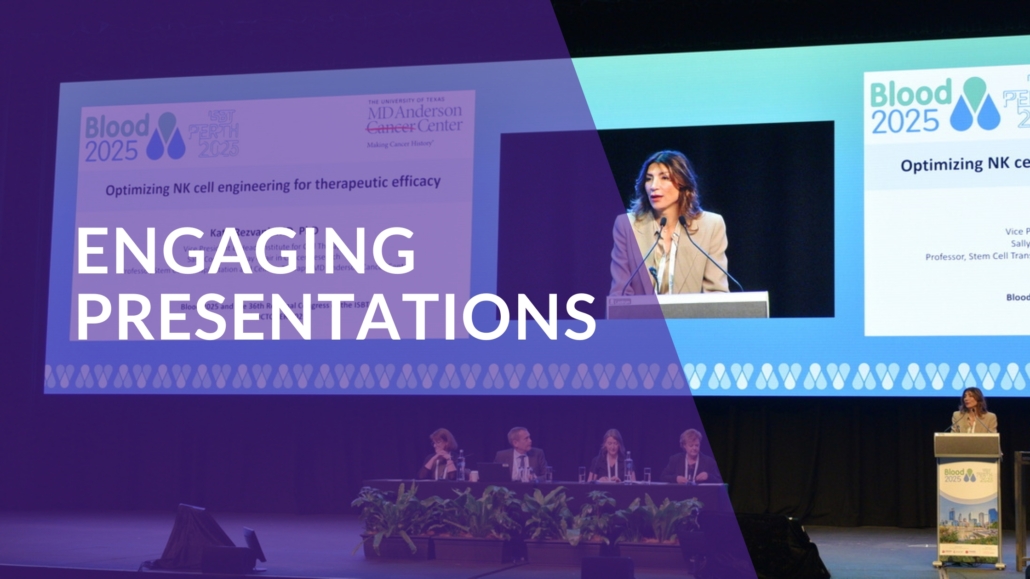
Engaging presentation showing interactive slides on a UHD led screen.
Introduction

Whether you are giving a keynote speech, running a seminar or moderating a panel, your main objective is to keep your audience engaged. Research shows that storytelling activates the same parts of the brain involved in experiencing events and strengthens emotional connections. Great presentations also depend on audio quality, interactivity and visual design. This guide explains how to harness storytelling, sound engineering, second‑screen technology, staging, lighting and colour psychology to captivate attendees in 2026.

Structure your narrative around stories

Facts alone rarely stick; humans remember and relate to narratives. Start with a real example or anecdote that illustrates your key message, introduce a human element, follow a simple arc (beginning, middle, end), and speak authentically rather than reading a script. Stories help audiences connect emotionally and improve recall. Make sure your stories align with the event’s theme and objectives.

Prioritise professional audio

Studies from USC and Yale demonstrate that poor sound quality makes speakers seem less intelligent and trustworthy. Conversely, clear, balanced audio increases engagement and recall. Chose a venue with a professional in-house AV team like AVPartners. Our Event Technology services include high‑fidelity microphones, mixing consoles and acoustic treatments to ensure every word is heard.

Leverage second‑screen and interactive tools

Mobile devices can distract audiences, but they can also enhance engagement. Second‑screen apps allow attendees to view slides, respond to polls, submit questions and take notes on their smartphones. Interactive platforms even let participants vote on discussion topics in real time. By integrating these features into your event app or web platform, you give attendees more control over their experience and collect valuable feedback. AVPartners can recommend platforms that integrate seamlessly with our Virtual & Hybrid Event Services.

Design staging and styling to support your message

Your stage is the physical frame for your presentation. It should reflect the event theme and make speakers visible from every angle. Use branded backdrops, eye‑catching decor and well‑placed furniture to focus attention. Position yourself strategically on stage to maintain connection with the room. Our Theming, Staging & Styling team can design bespoke stages, podiums and signage that reinforce your narrative.

Use lighting as a storytelling tool

Lighting sets the mood and guides your audience’s attention. Warm colours like red and yellow stimulate energy and prompt action, while cool hues like blue and green promote calm and focus. Gobo projections (custom patterns inserted into spotlights) can project logos or imagery onto walls, adding a professional flourish. Work with experienced lighting designers to balance brightness and avoid glare on your face, glasses or jewellery.

Incorporate colour psychology

Different colours evoke different emotions. Blue encourages trust and concentration; red conveys urgency and excitement; yellow signals optimism; green evokes harmony and sustainability; purple suggests luxury; white denotes simplicity; black adds sophistication. Use these colours consistently across slides, lighting and stage decor to reinforce your message. For example, choose blue lighting during data‑heavy segments and warm tones for inspiring stories. Our experts can help translate your brand palette into an immersive visual experience.

Conclusion

In 2026, audiences expect presentations that are personal, interactive and polished. By weaving compelling stories, ensuring pristine audio, using second‑screen technology, designing intentional staging, employing strategic lighting and leveraging colour psychology, you will deliver presentations that resonate and drive action. To take your next conference or seminar to the next level, connect with our team at AVPartners and discover how our Event Technology and Theming, Staging & Styling services can transform your ideas into reality.

Unique event experience with projection mapping imagery
Introduction

In a crowded events marketplace, creating unique event experiences is essential for differentiating your brand and inspiring guests to return. Utilising innovative lighting, theming, styling, entertainment and technology can turn a standard gathering into an unforgettable journey. Multi‑sensory design, combining sight, sound, taste, touch and smell, has been shown to enhance emotional connections and memory recall. Here’s how to craft distinctive events that resonate long after they’re over.

1. Use strategic lighting

Lighting shapes atmosphere and guides attention. Dynamic LED walls, projection mapping and colour washes can transform a room throughout the event. Use uplighting and soft washes during presentations, then switch to vibrant colour sequences for entertainment segments. Intelligent lighting can synchronise with music or speakers, adding energy and supporting narrative flow. Working with lighting experts ensures your design aligns with the theme and technology of your venue.

2. Choose a cohesive theme

Themes provide a narrative backbone. They inform décor, invitations, entertainment and catering. A well‑chosen theme can create cohesion, simplify decision‑making and leave a lasting impression. However, avoid overcomplicating themes—ensure they support your event’s objectives and appeal to your audience. For information‑heavy conferences, a subtle colour scheme might be more appropriate than elaborate costuming. AVPartners’ Theming, Staging & Styling service can help bring your vision to life.

3. Prioritise professional styling and décor

Styling encompasses furniture selection, table layouts, props and digital elements. It shapes the mood and facilitates movement through the space. Consider unconventional seating arrangements like lounges or cabaret setups to encourage interaction. Use textured linens, handcrafted centrepieces and digital displays to create tactile and visual interest. Incorporate live plants, floral installations or art pieces to evoke your theme and provide natural photo backdrops.

4. Curate entertainment that fits your theme

Entertainment should reinforce your concept rather than distract from it. Beyond live bands and DJs, explore comedians, aerialists, interactive performers or silent discos. Align entertainment with the narrative arc of your event: energising acts during transitions, uplifting performances after dinner or immersive theatre experiences in breakout rooms. Unexpected entertainment keeps guests engaged and provides share‑worthy moments.

5. Integrate immersive technology

Emerging technologies like augmented reality, virtual reality and holographic projections can bring stories to life. Interactive installations encourage participation and create personalised experiences. For example, AR filters can allow attendees to explore different environments or products, while VR headsets offer virtual tours or simulations. These technologies help convey complex information and create lasting impressions. If budgets are limited, use simpler interactive elements like digital scavenger hunts or LED wristbands that respond to music.

6. Engage all five senses

Multi‑sensory experiences deepen engagement and improve recall. Curated soundscapes and live music set the tone. Menus that reflect the theme—through flavours, presentation and interactive stations—stimulate taste. Textured surfaces and hands‑on installations engage touch. Scent can evoke memories; consider subtle fragrances or natural aromatics like fresh herbs or flowers. Balance these elements so they complement rather than overwhelm each other.

Conclusion

Creating unique events requires intentional design and a willingness to experiment. By combining strategic lighting, thoughtful theming, bespoke styling, tailored entertainment, immersive technology and multi‑sensory elements, you can craft experiences that delight guests and drive your message home. Partner with AVPartners’ Event Technology, Theming, Staging & Styling and Multimedia teams to turn your vision into reality.

Good event photography is something that lives on well past the event. The photos give attendees an opportunity to reflect on the event once it’s done and show others what they missed out on. They can be used to advertise the next event, or to liven up your social media channels.

While many people take photos these days on their smartphones, chances are these aren’t of the highest quality. When you want to ensure you have captured your event well, you need to hire a professional photographer.

A professional photographer will expertly document important event moments such as capturing the guests as they arrive, speeches, ceremonies, or other important interactions.

Here are some reasons why hiring a professional photographer is the best choice for your event:

They are committed to the event

A professional photographer isn’t there to enjoy themselves like everyone else is, and they likely don’t know any other guests, so their focus is solely on your event and capturing it from every angle.

They are experienced

Professional photographers have years of experience under their belt, along with an assortment of high quality equipment. This means they know exactly how to shoot in various lighting conditions, weather or locations, and it also means they won’t waste time on the job figuring it out.

Good photos speak volumes

If a picture says a thousand words, you can imagine what that means for a bad photo. Good photos are crucial for representing your brand well. Event photos can be used on social media, in marketing collateral, or to advertise your next event – all places that showcase how professional your brand is…or not.

With the world becoming more and more reliant on visuals to inform us, it’s now more important than ever to ensure you’re visually representing your brand to the highest quality.

So, how do you choose a photographer for your next event?

There are many different types of photographers out there, each with their own style and approach. To make sure you’re hiring the right photographer for your needs, consider the following:

View their portfolio

A professional photographer will have a portfolio or gallery of past events and shoots. This will give you an idea of the quality of their work and their range. Often you’ll find this on their website and social media channels. You’ll quickly be able to see whether they are good at capturing moments from different angles, or whether they just offer the usual same old photos.

Ask questions

If you don’t ask, you won’t know, so don’t be shy when it comes to finding out as much as possible about your potential photographer and their suitability for your event. Who are some of their past clients? How will photos be given to you after the event, and will they be edited? What are the costs involved? How long will they be at the event?

Meet with them

It’s a good idea to meet the photographer prior to the event. This way you’ll be able to ask them questions directly, and see how they interact with you and your team. This is important as it’ll give you an insight into how they handle other people and how they will act at the event. A photographer needs to be professional, approachable and friendly, as they will be approaching your guests throughout the event.

Want to create an event worth capturing? Talk to AVPartners today about how to create a visually stunning event.

Conferences are great for bringing a large group of people together to discuss and learn about certain topics. They are sometimes held over a few days, or even just within a few hours. Either way, there’s always plenty to think about when planning one.

Here are our top three things to consider when planning a conference:

Venue

Conferences tend to be larger scale events, so it’s a good idea to research venues that will cater to your needs in terms of size, amenities and style. You might need separate rooms or sections for break out sessions, or just one big hall to present in. Make sure the venue is appropriate for your conference, that it speaks to the style and theme you want to present, and that it is convenient enough for guests to get to by car or public transport.

Sponsors

Having sponsors who pay to feature at your conference can really help with costs. You might have a few different sponsorship options and levels available, or just one or two main ones, and sponsors may be granted exclusivity or a chance to present at the conference. It’s entirely up to you and the needs of your conference when determining how deep the sponsorship relationship goes, but don’t be too shy when seeking sponsorship income as sponsors can be a huge support during this time.

Audiovisual support

A great conference relies on great AV support. Work out what you need in terms of AV – such as microphones, lighting, staging, monitors, teleconferencing capabilities, or video access for virtual attendees. Many venues have an in-house AV team, such as AVPartners, and are able to make your conference AV needs for sound, lighting and audio smooth and professional!

If you’d like some more information on planning your next conference, contact us today!

New technologies are making it easier than ever before to stay connected with your colleagues or clients in different offices, states or countries. Video conferencing connects people in real time, through audio and video communication on laptops, TV screens, computers, smartphones and tablets.

Video conferencing has become the norm for meetings; saving travel, time, and money, and increasing productivity. It’s an effective way of communicating, especially if your organisation has a broad geographical spread.

But are we really getting the same benefits as in-person interactions?  Will video conferencing replace face-to-face meetings?

We took a look at some of the pros and cons of video conferencing.

Pros

Time and cost effective

The time and money saved when meeting virtually as opposed to investing in air travel and hotel stays can be a huge benefit to businesses. It can be faster to arrange these types of meetings because people only have to travel as far as their meeting room or even just reach for their smartphone to connect.

Meeting in real time with anyone across the globe

The convenience of discussing ideas in real time and not having to wait for email chain responses is an advantage when it comes to video conferencing.

Shared data

Depending on the software being used, people can be simultaneously working on the same document while on a video call on opposite sides of the world and easily share documents too. This ease of collaboration can greatly increase productivity.

Cons

Physicality

You can have the most high tech equipment available, but it is hard to replace the value of physically being in the same room as each other. There is so much communicating that is done through non-verbal gestures and cues such as handshakes and body language that is hard to replicate with someone through a screen.

Technology

In a video conference everyone is at the mercy of the technology. If the system stops working, or if there is a lack of knowledge about how to use it, it can throw a spanner in the works. This is why having an AV rep to assist makes sense.

Cost

While video conferencing is cheaper than flying people across the country for meetings, decent quality video conferencing software and services aren’t cheap, and other costs need to be considered as well such as high speed internet connections and perhaps a cost-per-user.

Although video conferencing offers an efficient way to stay connected, face-to-face interactions will always be the most effective form of communication, offering vibrancy and engagement within the meeting that you just can’t emulate via a screen.

The key to an engaging presentation is content. Visuals, videos, infographics, audio, graphs and more will take your presentation to the next level. The art is in balancing rich content with compelling simplicity.

Remember that the visual and audio content, of whatever variety, should never compete with your message, but should engage each member of your audience in a variety of ways to help them process, remember and act on the message. This is harder than it seems, and many effective presenters find that it takes a great deal of practice and preparation to distill a presentation down to the essentials. Less is generally more.

So how can you use content to create an elegantly simple yet standout presentation?

– A striking image,
– A consistent colour palette,
– One concept or idea per slide,
– Short video or audio to express an idea visually or aurally,
– Graphs or infographics to simplify complex data,
– Fewer words on a slide and,
– Empty (or white) space,

The process by which we remember and decide to act on a message is quite complicated. Overworking any one information pathway with too many visuals or too much aural information, for example, can cause audiences to tune out.

Find new ways to deliver your message beyond the written and spoken word – graphs, word clouds, infographics, photo collages, even humorous memes speak to the other side of the brain and can add a bit of levity where appropriate.

There are a number of well-recommended digital content creation tools to help you do this – but remember, a light touch works best.

Whatever content you choose for your presentation, remember that effective presentations ultimately require an engaging concept and message. The content will take it up a notch but shouldn’t be used as a crutch to prop up a weak message. The key to a standout presentation is a well-executed message, tailored to your audience.

When social media is incorporated into an event, it can be hugely impactful and influential, generating immeasurable campaign awareness before, during and well beyond a physical event.

Here’s how to integrate social media into your event effectively:

Plan your event with social media in mind from the outset

Finding out how your audiences use social media, which channels they visit, the content they engage with and the conversations they are having there – otherwise known as social listening – can provide valuable information to tailor a social media strategy for an event.

Clever social media interaction with attendees prior to an event can also work to enhance the event experience. Attendees can also be incentivised with social media based competitions that engage, increase relevance and build anticipation.

Provide good, relevant content

For social media to be successfully incorporated into an event, delivering content that is worth sharing is key. Participants will share exclusive, insightful and expert information, but also fun and entertaining material. Early planning will ensure this content is relevant and accessible.

Facilitate participants to become advocates

Here are some ways you can encourage engagement and advocacy with participants:

  • Select a simple hashtag and consistently promote it
  • Post live on different social channels throughout the event
  • Incorporate innovative technologies, such as event apps with social media integration, that make it easy, engaging and fun for attendees to share

Social media can take your event to the next level. Ensure you receive the right advice and are fully aware of the technologies that exist to leverage it properly.

This article originally appeared at Business Events News.

Using social media to promote an event attracts customers and increases the level of engagement. But promotion shouldn’t stop once the event has passed; social media can be used to both build a buzz beforehand and extend relationships with customers during and afterwards.

Popular platforms for brands promoting events and building communities include Facebook, Instagram, Twitter, LinkedIn and YouTube, and the tips below incorporate ideas for each of these.

1. Be active on social media

Encourage greater engagement with your audience by posting regular updates about your event on the social media platforms they use. Ask your audience which events or which speakers they would like to see and offer early bird discounts to build rapport, then make sure you keep the conversation going by sharing posts about the event and responding to people’s comments.

For example, a brand could ask attendees to check into the event via Facebook and post images while there. A Facebook event page can also be used to promote upcoming events with text, images and video that the audience can like, comment on and share with their own networks.

Secret events for those who connect with your brand via particular platforms, such as Facebook or Twitter, are a great way to reward audience loyalty and generate good word of mouth.

2. Make it easy to share your event on social media

Who doesn’t love telling their networks what they’re up to? After all, social media is full of updates from people sharing what they are doing at any given moment – and your event attendees are no different.

Help your audience tell the world about the event by pointing to your social media profiles, building discussion about the event on forums, publishing speaker’s social media profiles and publicising any associated hashtags. This exposes the brand to a wider audience than attendees only, and spreads the promotional message further.

3. Embrace real time

Include using social media during the event in your promotional strategy. Twitter is an excellent real-time tool because you can see what people are saying about an event right now by searching for the event hashtag.

Have someone monitoring social media during the event and share updates and photos (if applicable) via social media, retweet others’ tweets, regram others’ Instagram posts, and encourage attendees to do the same. You can also point to what is happening in the near future, such as a Friday afternoon happy hour that starts as the event finishes.

4. Social media is not just for younger staff members

Many think social media is the domain of Gen Y and younger, but that is not true. Your events will appeal to attendees of all ages, so it makes sense to encourage a range of staff members to be involved with promoting your event via social media.

Another reason to consider age when it comes to social media promotion is the experience that is needed to understand and manage the online community you’re looking to build. Ensure whoever is involved in promoting your brand via social media has been trained in the correct usage of each platform.

5. Advertise on social media

Social media is a big part of many people’s lives now and affects so many consumer decisions, so advertising on the platforms your audience uses will reach further and build your brand’s influence.

The impact social media has on repeat business is a major one, so use these tips to start building a relationship with delegates and then extend that relationship afterwards for ongoing custom.

This article was originally published at eTB News.