
Tag Archive for: social media

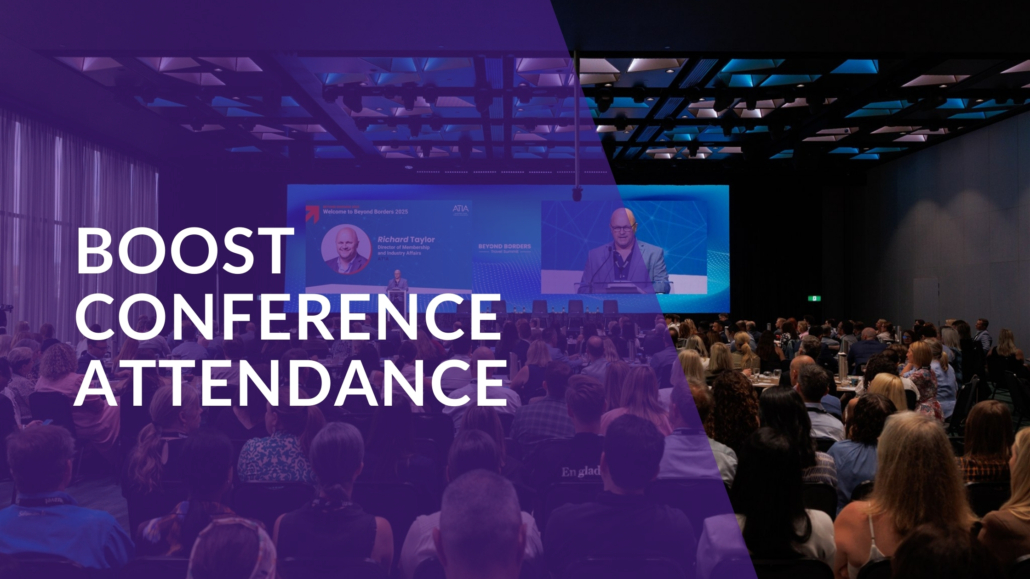
Guest speaker on stage at a conference


Introduction

Boosting conference attendance isn’t just about filling seats; it’s about creating an experience that guests are excited to attend. In a market saturated with events, planners must differentiate their offering and convince busy professionals to invest their time and money. Here are five evidence‑based strategies to increase registrations and ensure your next conference is well attended.

1. Schedule strategically

Timing can make or break your event. Avoid overlapping with major industry conferences, public holidays or peak holiday seasons. Research suggests that early promotional planning and calendar checks reduce conflicts and boost attendance. Consider shorter, targeted programmes rather than week‑long marathons; micro‑conferences are rising in popularity because they respect busy schedules and budgets.

2. Offer tiered pricing and incentives

Early‑bird and group discounts create urgency and reward commitment. Event marketing studies show that offering reduced rates for early registrants encourages timely sign‑ups and signals value. Group pricing incentives, such as “bring two colleagues, get the third free,” can encourage teams to attend together and build internal support for the event. Loyalty discounts for past attendees and cross‑industry collaborations can also help boost numbers. In festival settings, early‑bird sales often account for thousands of tickets sold within minutes. Use limited‑time offers to create momentum, but ensure the discounts still align with your revenue goals.

3. Showcase speakers and content early

Attendees want to know what they’ll gain from your event. Reveal your keynote speakers, session topics and agenda early to demonstrate value. High‑profile speakers or industry leaders can draw significant attention, but ensure they align with your theme and deliver meaningful insights. Include descriptions of panels, workshops and networking opportunities on your event page and in promotional materials. Use short video teasers or interviews to highlight speaker expertise and build excitement.

4. Embrace personalised marketing and multi‑channel promotion

Modern audiences expect personalised messaging. Use segmented email campaigns, retargeted ads and social media content tailored to different audience segments. Share behind‑the‑scenes content, speaker spotlights and testimonials across channels. Encourage your speakers and sponsors to promote the event through their networks. Referral incentives can reward attendees who bring friends or colleagues. Make sure your registration forms and payment pages are mobile‑friendly, as many people register on smartphones.

5. Curate unique experiences and strong partner collaborations

Beyond sessions and speakers, plan activities that make your conference stand out. This might include immersive installations, wellness sessions, off‑site excursions, artistic performances or themed dinners. Collaboration with reputable venue partners like AVPartners ensures high‑quality audiovisuals and seamless transitions between sessions and evening programmes. Partnering with sponsors who align with your values can enhance the attendee experience and broaden your marketing reach. Don’t forget to capture highlights through UGC and professional photography to market future events.

Conclusion

Increasing conference attendance in 2026 requires strategic planning, compelling content and targeted marketing. By choosing the right date, incentivising early registrations, showcasing high‑quality speakers, using personalised promotion and designing memorable experiences, you can attract and retain delegates. AVPartners offers Event Technology and Virtual & Hybrid Event Services to help you deliver an exceptional experience for both in‑person and online attendees.
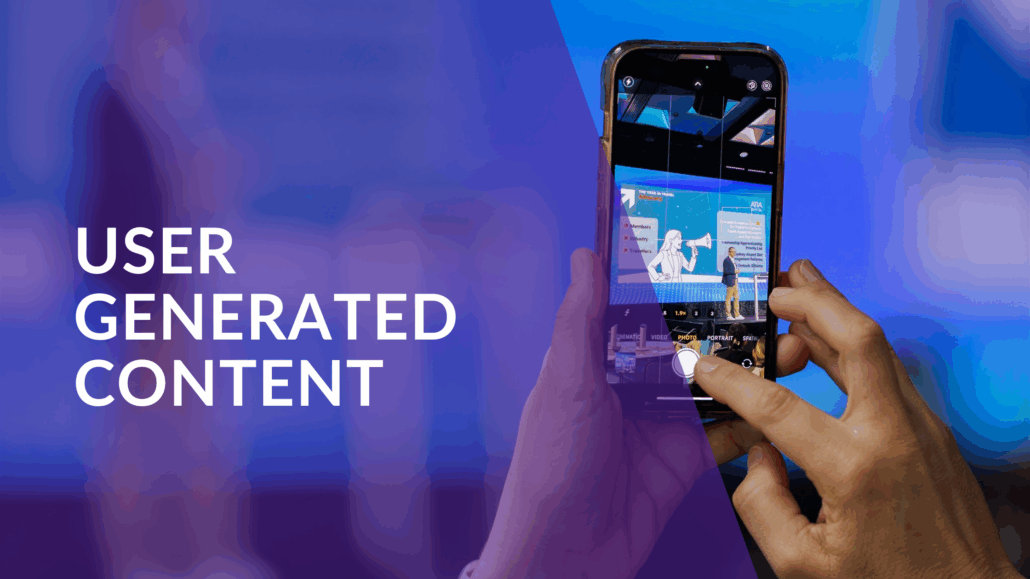
Event attendee captures user generated content
Introduction

User‑generated content (UGC) is a powerful marketing tool. When attendees share photos, videos or stories from your event, they extend your reach and lend authenticity to your brand. Campaigns that feature UGC perform significantly better than those using brand‑created content alone. Studies show they can achieve 25 % higher engagement and 29 % higher conversion rates. Encouraging attendees to become co‑creators of your narrative is essential. Here are eight strategies to inspire UGC at your next event.

1. Develop a memorable hashtag and pre‑event buzz

Create a unique, easy‑to‑remember hashtag that encapsulates your event theme and year. Promote it in pre‑event emails, registration pages and social posts. Encourage participants to use the hashtag when sharing plans or expectations. A clearly defined hashtag allows you to track content across platforms and fosters community identity. Make sure to reserve variations with the year (e.g. #NationalSafetyAU26) to avoid confusion between annual editions.

2. Design interactive photo and video stations

Provide attendees with ready‑made backdrops, props and lighting designed for selfies and group shots. High‑tech options like AI‑powered photo booths or 360‑degree video experiences can wow guests and generate high‑quality content. Billo’s UGC study notes that creating dedicated areas for attendees to pose, record or film amplifies content creation and encourages sharing. Consider integrating AR filters featuring your branding or event theme; attendees will gladly post unique visuals.

3. Run contests and gamified challenges

Incentivise participation with competitions. A treasure hunt, best photo contest or caption challenge motivates guests to share content in exchange for prizes, discounts or exclusive experiences. Frequent, simple competitions encourage continuous posting throughout the event. To maximise participation, announce winners in real time and highlight standout entries on your event’s social feed or digital screens.

4. Empower influencers and attendees

Invite influencers or community leaders to capture the event from their perspective. Their endorsement can spark excitement and inspire attendees to post. Encourage past attendees and brand advocates to share testimonials before the event and to post live insights during sessions. Showcasing user content on your website or social channels validates participants and motivates others to contribute.

5. Provide seamless sharing tools and Wi‑Fi

Make sure your venue offers strong, fast Wi‑Fi so attendees can upload content without frustration. Include QR codes linking directly to photo upload portals or hashtag guidelines. Encourage participants to opt in for push notifications reminding them to share their favourite moments. When technology works smoothly, attendees are more likely to share spontaneously.

6. Integrate UGC into the event experience

Display a live social media wall featuring attendee posts in real time. This creates feedback loops and encourages others to participate. Use UGC in presentations or videos during the event to reinforce the community story. Highlighting attendees’ contributions signals appreciation and boosts engagement.

7. Leverage themed décor and immersive installations

A visually striking environment prompts guests to take photos. Theming your event through décor, lighting, costumes and interactive installation, creates a share‑worthy backdrop that encourages attendees to record and post. If budget permits, incorporate experiential elements like holographic projections or live art performances that guests will want to capture.

8. Follow up and share the highlights

After the event, curate the best user‑generated content into recap videos, photo galleries and social posts. Feature top creators, share behind‑the‑scenes moments and thank participants. Continue to use the event hashtag, as user posts often continue long after the event. This strategy not only keeps the conversation going but also provides social proof for future editions.

Conclusion

User‑generated content transforms attendees into ambassadors. By providing a hashtag, interactive spaces, gamification and influencer involvement, you can inspire your guests to share authentic moments that amplify your event’s reach and credibility. Work with AVPartners’ Multimedia and Event Technology teams to create immersive, shareable environments that encourage content creation.

Hashtags have become an important way for event planners to create a buzz around events. Think of the last conference or event you attended. Chances are a hashtag was used. So what exactly are hashtags and why have they become so popular in the events industry?

A hashtag is a word or phrase preceded by a hash sign (#), which makes it a searchable link. Most commonly used on applications and social media platforms like Twitter, Instagram and Facebook, hashtags give users the ability to organise or ‘file’ online conversations. When a user clicks on a hashtag, they are able to view all other discussions which use the same hashtag.

Why use a hashtag for events?

An effective hashtag can improve the reach of your event. It can help build anticipation surrounding the day, drive more ticket sales and boost awareness for your brand. An event hashtag also helps drive engagement throughout the event itself. Attendees can post about your event using the hashtag to signal that they are part of the conversation about your event.

There are 4 factors that make a great hashtag:

1. Unique

An effective hashtag will be unique to your brand and event. This will ensure that your event and brand doesn’t compete with other unrelated posts which use the same hashtag. Before settling on your hashtag, make sure to do a quick search across social media to make sure it hasn’t been used before. Examples may include #GFWS2018 or #vividtaronga which are time or location specific.

2. Succinct

Short hashtags are effective because they are memorable and get to the point quickly. They also remove room for typo errors, particularly when your event guests will be required to type the hashtag out.

3. Playful

Depending on what you’re trying to achieve, a hashtag which is playful and uses a bit of light humour may do the trick. A good example of this is Red Bull’s #PutACanOnIt campaign. The campaign used the catchy hashtag #PutACanOnIt to encourage people to take photos of their Red Bull cans in interesting locations. This strategy encouraged engagement amongst their audience and successfully created a buzz around the brand.

4. It has no hidden meaning

This is a really important one. Triple check your hashtag before sharing it. Remember, your hashtag will display without breaks between the words, so new words might form in the amalgamation. Check for any embarrassing words or messaging that may have been created. While you will want to build reach, you won’t want to bring attention to your event for the wrong reasons!

Broadcasting your hashtag

To really make the most of your hashtag before, during and after your event, it’s important to include it on all of your promotional materials, and make sure it’s in full view for guests throughout the event. Use audiovisual (AV) technology to keep your hashtag front and centre throughout your event. By projecting your hashtag on your stage, screen or even on the walls of your event space, you can encourage real time conversation about your event on social media. With your hashtag in full view, your event guests will be encouraged to include it in their tweets, live videos and other social posts.

Contact us today to set up the AV at your next event.

When social media is incorporated into an event, it can be hugely impactful and influential, generating immeasurable event awareness before, during and well beyond the event.

There are a number of different ways to incorporate social media into your event; we’ve put some of our favourites together to help you get the most out of this technology:

Use social media to promote your event

Using social media to promote an event builds a buzz before the event, attracts attendees to your event and increases the level of engagement at the event. But promotion shouldn’t stop once the event has passed; social media can also be used to extend relationships with customers afterwards.

Popular platforms for brands promoting events and building communities include Facebook, Instagram, Twitter, LinkedIn, YouTube and many more.

Use smartphones and social media to help with event planning

When planning an event, smartphones and social media can be used in several ways to ease some aspects of the planning process. Event planning apps can keep you on track and there are also several apps you can use to coordinate ticket sales.

Have a social media wall at your event

Another good idea to incorporate social media into your event is to have a social media wall, harnessing the power of social networks such as Twitter, Instagram and Facebook. This gives all attendees the opportunity to participate and be part of the conversation and fun.

Encourage audience involvement during the event

By giving your audience ways to participate and interact such as through social media, it can help keep their focus and attention on the presentation. More and more events are incorporating interactive tools such as event apps, real time polling, surveys and messaging so presenters, sponsors and event organisers can open up the dialogue, share information, and receive and answer questions instantly.

What are your favourite ways to use social media at events? Let us know!

Creating excitement and engagement at events can sometimes be a little tricky, especially if people are burying their faces in their smartphones. So if everyone is using their phones anyway, why not make it part of the event?

A good idea to incorporate smartphones into your event is to have a social media wall, harnessing the power of social apps such as Twitter, Instagram and Facebook. This gives all attendees the opportunity to participate and be part of the conversation and fun.

What is a social media wall?

A social media wall is effectively a digital screen or screens which display different social media channels and feeds. You can opt to have your social media wall across multiple screens throughout your event, ensuring many people see it, or have one main one as a large feature wall.

How do they work?

Social media walls work by displaying one or more social media channels and feeds, in real time. You could have the Facebook feed of the speaker on there, the Twitter feed for the event hashtag, or the Instagram feed of the event sponsors. The options are endless!

Here are a few things to keep in mind:

Make sure you #hashtag

You can create an event hashtag that gives your event attendees a way to be a part of the event, so that their posts, photos and updates appear on the social media wall. It fosters a lot of fun and engagement between attendees, and it won’t be long before they are grouped around the screens, excitedly waiting for their post to be shown!

For this to work effectively, you must have a simple and on brand event hashtag, that your attendees can use on their posts so they can easily be found on the various social media channels. Some examples of event hashtags are: #ANZgala2017 #NewtownFestival #JoandTomWedding

Make sure the hashtag is short enough that it doesn’t use up too many characters (especially for Twitter), and not too obscure that it doesn’t read easily or make sense.

Start conversations

You can utilise a social media wall to ask questions at the event, or spark light debate. All attendees can get involved and post their opinions, ideas or replies simply by using the event hashtag.

Update your attendees

You can also use the social media wall for event updates, keeping everyone in the loop and up to date. This is extremely helpful at large trade shows or festivals where information might change throughout the event.

If you’re keen to maximise engagement and interaction at your next event using social media walls, contact us today!

Regardless of the type of business you are in, holding an event can be a great way to improve brand awareness and get some attention on your message. Whether it’s a holiday party, an awards night, a launch or a fundraiser, holding an event gives you personal interaction with your guests and can work wonders for brand exposure.

Here are some ideas on how you can improve brand exposure at your next event:

Use subtle brand placement

From having your logo printed on napkins, to making special drinks with you brand colours, to using lighting techniques to blanket the room in your brand colours, the options for brand exposure and a unique event experience are endless.

Give guests a gift

You might want to offer a promotional bag for guests to take home with them, as these branded gifts can be a great way to say thank you and leave your guests feeling spoilt by your brand.

Create an event website

You don’t necessarily need a specific website for your event depending on its size, but you should at least have a dedicated event page on your website that is updated regularly. Not only will this ensure that people have the most up-to-date information regarding the event, but a decent webpage can speak volumes when it comes to brand perception. You can also use the page for photos after the event.

Use social media and an event hashtag

You can use your social media channels leading up to, during, and after the event to create a buzz, build brand exposure and keep the excitement going.
Before the event, use social media to tell people about the exciting things they can expect at the event. During the event you can post updates and photos, and afterwards you can use it to keep your event’s message and your brand in front of people. Creating an event hashtag is important so that you can engage people, and if they are searching for your event, they can find all posts under that hashtag, for example #AVPfundraiser2016
Incorporate audiovisual technology

There are so many different ways you can use audiovisual technology to increase your event’s wow-factor. At AVPartners, we can use lighting techniques to project patterns or your logo on the walls and floor, along with using your brand colours in a variety of ways.

You could also have a digital social media screen where your guest’s social media posts get chosen to appear on the screen. This encourages people to post more social media updates at the event in the hope that their post will be shown.

Have an event photographer

Having a photographer at the event is a no-brainer, as you will want to have the guests and their enjoyment captured. You can add the photos to the event’s website or page, and this will encourage people to visit the website after the event to see the photos of themselves. If you allow them to download the photo, you could have it watermarked with your logo so they can remember your brand positively.

If you’d like us to help build your brand exposure at your next event, contact us today!

When social media is incorporated into an event, it can be hugely impactful and influential, generating immeasurable campaign awareness before, during and well beyond a physical event.

Here’s how to integrate social media into your event effectively:

Plan your event with social media in mind from the outset

Finding out how your audiences use social media, which channels they visit, the content they engage with and the conversations they are having there – otherwise known as social listening – can provide valuable information to tailor a social media strategy for an event.

Clever social media interaction with attendees prior to an event can also work to enhance the event experience. Attendees can also be incentivised with social media based competitions that engage, increase relevance and build anticipation.

Provide good, relevant content

For social media to be successfully incorporated into an event, delivering content that is worth sharing is key. Participants will share exclusive, insightful and expert information, but also fun and entertaining material. Early planning will ensure this content is relevant and accessible.

Facilitate participants to become advocates

Here are some ways you can encourage engagement and advocacy with participants:

  • Select a simple hashtag and consistently promote it
  • Post live on different social channels throughout the event
  • Incorporate innovative technologies, such as event apps with social media integration, that make it easy, engaging and fun for attendees to share

Social media can take your event to the next level. Ensure you receive the right advice and are fully aware of the technologies that exist to leverage it properly.

This article originally appeared at Business Events News.

Using social media to promote an event attracts customers and increases the level of engagement. But promotion shouldn’t stop once the event has passed; social media can be used to both build a buzz beforehand and extend relationships with customers during and afterwards.

Popular platforms for brands promoting events and building communities include Facebook, Instagram, Twitter, LinkedIn and YouTube, and the tips below incorporate ideas for each of these.

1. Be active on social media

Encourage greater engagement with your audience by posting regular updates about your event on the social media platforms they use. Ask your audience which events or which speakers they would like to see and offer early bird discounts to build rapport, then make sure you keep the conversation going by sharing posts about the event and responding to people’s comments.

For example, a brand could ask attendees to check into the event via Facebook and post images while there. A Facebook event page can also be used to promote upcoming events with text, images and video that the audience can like, comment on and share with their own networks.

Secret events for those who connect with your brand via particular platforms, such as Facebook or Twitter, are a great way to reward audience loyalty and generate good word of mouth.

2. Make it easy to share your event on social media

Who doesn’t love telling their networks what they’re up to? After all, social media is full of updates from people sharing what they are doing at any given moment – and your event attendees are no different.

Help your audience tell the world about the event by pointing to your social media profiles, building discussion about the event on forums, publishing speaker’s social media profiles and publicising any associated hashtags. This exposes the brand to a wider audience than attendees only, and spreads the promotional message further.

3. Embrace real time

Include using social media during the event in your promotional strategy. Twitter is an excellent real-time tool because you can see what people are saying about an event right now by searching for the event hashtag.

Have someone monitoring social media during the event and share updates and photos (if applicable) via social media, retweet others’ tweets, regram others’ Instagram posts, and encourage attendees to do the same. You can also point to what is happening in the near future, such as a Friday afternoon happy hour that starts as the event finishes.

4. Social media is not just for younger staff members

Many think social media is the domain of Gen Y and younger, but that is not true. Your events will appeal to attendees of all ages, so it makes sense to encourage a range of staff members to be involved with promoting your event via social media.

Another reason to consider age when it comes to social media promotion is the experience that is needed to understand and manage the online community you’re looking to build. Ensure whoever is involved in promoting your brand via social media has been trained in the correct usage of each platform.

5. Advertise on social media

Social media is a big part of many people’s lives now and affects so many consumer decisions, so advertising on the platforms your audience uses will reach further and build your brand’s influence.

The impact social media has on repeat business is a major one, so use these tips to start building a relationship with delegates and then extend that relationship afterwards for ongoing custom.

This article was originally published at eTB News.