
Tag Archive for: event planning

Virtual attendee engaging through live chat during a hybrid conference

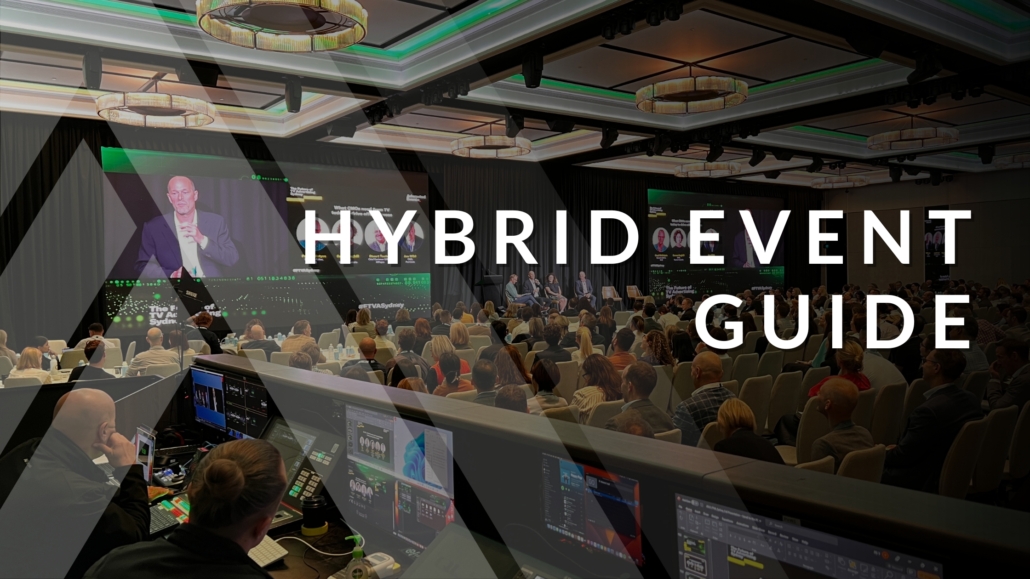
With live experiences roaring back to life and digital interactions becoming more sophisticated, the hybrid event has become a must‑have format for many event organisers in 2026. A hybrid event blends a live, in‑person audience with a virtual one, delivering both the energy of the room and the global reach of online participation. This guide explains how to hold a hybrid event that feels cohesive and captivating. According to event industry statistics, hybrid and virtual events now dominate event strategies, with roughly three‑quarters of planners adopting hybrid formats and more than 60 per cent increasing their investment in virtual platforms. Another survey found that 71 per cent of event planners plan to continue organising virtual and hybrid events even as restrictions ease. This shift isn’t just a fad: 95 per cent of companies say virtual events remain part of their strategy, and 70 per cent believe hybrid events are here to stay.

Hybrid events bridge the gap between physical presence and digital convenience. They allow attendees to join from anywhere, a critical feature when Freeman research shows that 46 per cent of trade show guests attend only one show per year and many international delegates now prefer to participate virtually due to travel costs, visa issues or safety concerns. Hybrid formats therefore expand your reach, boost accessibility and offer multiple revenue streams.

Why hybrid events matter in 2026

The global events industry is projected to grow to over $1.3 trillion+ in 2026, and much of this growth comes from hybrid experiences. Planners are embracing hybrid events not only for accessibility but also for cost efficiency. With a virtual‑first mindset, organisers can rent smaller venues, reduce travel and accommodation expenses, and still deliver impactful content to thousands of remote viewers. Micro‑events are also on the rise, rather than focusing on a few large conferences, many companies now host smaller, highly targeted events throughout the year.

Hybrid events cater to attendees’ changing expectations. Surveys show that more than 90 per cent of respondents want a balance between technology and in‑person experiences. Technology enables personalisation at scale: AI‑driven networking tools, real‑time polls, virtual breakout rooms and gamified challenges help remote participants feel as engaged as those in the room. Meanwhile, data collected during hybrid events, such as registration details, session attendance, social media engagement and feedback, allows organisers to refine future experiences. Nearly 95 per cent of marketers now track return on investment in real time, and 89 per cent prioritise personalised experiences based on data analytics. In‑person events still account for about 60 per cent of industry revenue, but hybrid events, currently around 5 per cent, are rapidly gaining ground.

Prepare your technology and content

Great hybrid events begin with meticulous preparation. Start by choosing a reliable event platform that supports live streaming, on‑demand playback, audience interaction and robust analytics. With 70 per cent of planners already using AI tools for personalisation and logistics, look for a platform that integrates features such as AI‑powered matchmaking and automated captioning. High‑quality production is essential, remote attendees will leave if they experience poor audio or blurry video. Ensure your cameras capture the right angles and your microphones deliver clear sound.

For professional support, consider partnering with AVPartners’ event technology specialists. Our team combines audio, vision and lighting expertise to create immersive experience, designing sound systems tuned to your venue’s acoustics and delivering stunning visuals through LED screens and projection.

Prepare all presentation assets, slides, videos, graphics and pre‑recorded interviews, well in advance. Load them into your streaming system and run rehearsals to test transitions. Speakers may feel more nervous knowing they’re being broadcast to a global audience, so coach them on addressing both in‑person and virtual attendees. If your event features ultra‑wide LED displays or extended reality sets, work with your technical team to customise the content appropriately. Our animation Customised content for ultra‑wide LED screens demonstrates how to tailor visuals to non‑traditional formats.

Design a unified experience

A successful hybrid event isn’t just a livestream of a physical conference; it’s a deliberately designed experience for two audiences. When planning your agenda, think about how each segment will resonate both in the room and online. Shorter sessions with clear outcomes are effective: micro‑learning modules prevent fatigue and cater to attention spans across time zones. Provide virtual attendees with their own networking lounges, chat rooms and Q&A channels so they can interact without feeling like second‑class participants. Technologies that allow remote participants to ask questions in real time and join discussion panels help bridge the gap.

On site, position your cameras to capture speaker close‑ups, audience reactions and wide shots that show the energy of the room. Stage design and lighting play crucial roles in making your event look polished on screen. Intelligent, programmable lighting sets the mood, highlights key moments and elevates the experience. Provide clear signage and digital displays that indicate when virtual audience questions are coming in, and encourage speakers to acknowledge remote attendees at the beginning of each session. Hybrid events are inherently interactive: polls, quizzes and gamified challenges not only boost engagement but also generate valuable data points for post‑event analysis.

Keep to schedule and manage time zones

Punctuality is paramount when your audience is spread across multiple locations. Virtual attendees tune in at specific times for keynote sessions; delays can cause frustration and drop‑offs. Create a detailed run sheet that accounts for transitions, speaker introductions and audience Q&A. Assign a moderator or chairperson to keep the programme on track and to monitor online chat and questions. If your event spans multiple time zones, consider repeating key sessions or providing on‑demand access so remote viewers can catch up. Breaking longer conferences into half‑day segments or micro‑events helps accommodate different regions and maintain energy levels.

Engage your audience and foster community

Hybrid events succeed when all participants feel included. Acknowledge virtual attendees during opening remarks and encourage interaction between online and in‑person audiences. For example, pair remote and on‑site participants in breakout discussions or networking games, and display live chat messages on venue screens. Networking capabilities are a key contributor to attendee satisfaction, yet connecting the two audiences is also one of the biggest challenges. Overcome this by appointing digital hosts to guide remote conversations and by using AI‑driven matchmaking tools to suggest connections based on interests and goals.

Remember to safeguard both physical and virtual participants. Choose platforms that offer end‑to‑end encryption, secure logins and protection against malicious bots. Communicate your privacy and safety protocols clearly so participants feel confident joining your event.

Measure success and extend the lifecycle

One of the biggest advantages of hybrid events is the depth of data they generate. While in‑person events still account for about 60 per cent of event revenue and hybrid events represent roughly 5 per cent, hybrid formats enable you to capture metrics you can’t get from a traditional conference. Track registration, engagement during sessions, dwell time in virtual expo booths, poll responses and social media activity. Use these insights to segment your audience, personalise follow‑up communications and improve your next event. With 95 per cent of marketers tracking ROI and 89 per cent focusing on personalisation, data‑driven decisions are no longer optional.

After the event, keep the conversation going. Make recordings available on demand, turn breakout discussions into blog posts, and invite participants to join your community platform. Hybrid events support year‑round engagement by providing a space where attendees can continue discussions and sponsors can share educational content. The shift from one‑off gatherings to ongoing communities builds trust and loyalty, and it creates new revenue opportunities through subscription access, premium content and sponsor activations.

Partner with the right AV team

Behind every seamless hybrid event is a team of experienced professionals. AVPartners specialises in virtual and hybrid event services, offering end‑to‑end production that includes creative planning, technical setup, live streaming, audience engagement tools and post‑event analytics. Our hybrid platforms feature plenary sessions, breakout rooms, sponsor areas and networking lounges tailored to your audience. We also provide professional studios for webinars and live broadcasts, equipped with high‑speed internet, cameras, microphones and lighting. By partnering with AVPartners, you gain access to broadcast‑grade equipment, expert technicians and customised platforms that ensure every attendee, on site or online, has an exceptional experience.

For organisers in Sydney, our Live Streaming & Hybrid Event Services Sydney hub offers centrally located venues with cutting‑edge technology and lightning‑fast internet. We can help you plan your next hybrid meeting, product launch or conference.

Conclusion

Hybrid events have evolved from a pandemic necessity into a core strategy for organisations that value reach, flexibility and data. With the events industry set to grow rapidly and attendee expectations rising, the hybrid model allows you to deliver immersive, engaging experiences to audiences everywhere. By preparing carefully, investing in high‑quality technology, designing inclusive experiences and working with an expert partner like AVPartners, you can hold a hybrid event that captures attention, drives engagement and delivers measurable results. By following these steps you will know how to hold a hybrid event that resonates with audiences and delivers measurable outcomes. Ready to make your next event truly hybrid? Contact us to explore how our virtual and hybrid event services can bring your vision to life.
Moderator guiding a panel discussion with multiple microphones.
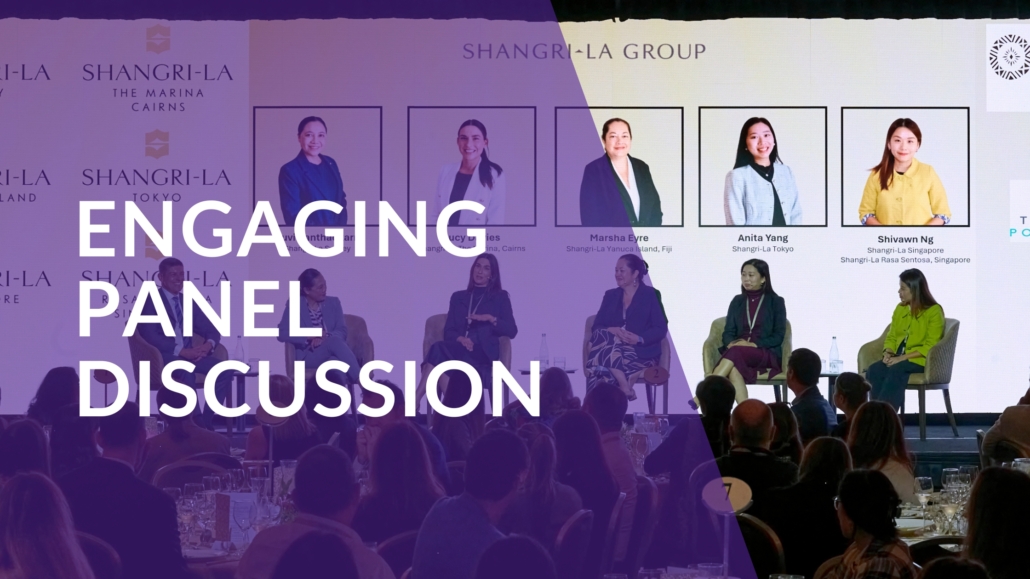
Panel discussions remain a powerful tool for knowledge sharing and thought leadership in 2026. They bring together experts to share diverse perspectives, provide real‑time audience interaction and offer a dynamic alternative to traditional keynotes. When done well, panels ignite conversation and leave attendees with practical insights. But without careful planning and skilled moderation, they can drag on and lose the audience’s attention. Here’s how to design a panel session that resonates with modern audiences.

Define your goals and choose a compelling topic

Successful panels start with clear objectives. Determine what you want attendees to learn and why the subject is relevant now. Look at industry trends, attendee challenges and questions from past events to choose a topic that sparks debate. In 2026, hot topics include sustainability, hybrid work, artificial intelligence and diversity initiatives. Align your topic with your event’s theme and overall goals.

Select diverse and knowledgeable panellists

Panel discussions thrive on multiple perspectives. Assemble a panel with varied expertise, professional backgrounds, demographics and viewpoints. Diversity isn’t just ethical; it helps your discussion resonate with more attendees. Look beyond industry leaders to include emerging voices, innovators and those representing underserved communities. Invite panellists well in advance, many speakers are booked months ahead. Consider having backup panellists on standby in case of last‑minute cancellations.

Choose an engaging moderator

A moderator introduces speakers, steers the conversation and keeps the energy high. Look for someone who is comfortable managing different personalities and can improvise when discussions go off script. A strong moderator knows when to ask deeper questions, interject if someone dominates the conversation and invite quieter panellists to contribute. They also facilitate audience engagement by encouraging questions and incorporating interactive elements.

Prepare and rehears, but don’t script

Share your questions and discussion flow with panellists ahead of time. Encourage them to prepare stories, data and examples rather than memorising answers. Provide an agenda that outlines the opening, key themes, audience Q&A and closing remarks. While you should rehearse transitions, keep the discussion flexible enough for natural dialogue. Encourage panellists to speak in their own voice and prepare backup questions to avoid awkward silences.

Design the format and flow

Decide on the right panel format, traditional Q&A, fireside chat, debate or roundtable, based on your goals. Map out the session’s structure: a brief introduction, a series of prepared questions, audience participation and a strong conclusion. Allocate time for each segment: give each panellist three to five minutes for opening remarks and 10‑15 minutes for moderated discussion per topic, leaving time for audience Q&A. Incorporate short breaks or polls between topics to maintain energy. Finish with clear takeaways so attendees leave with actionable insights.

Engage the audience throughout

Interactive panels keep attendees invested. Collect questions ahead of time or allow real‑time submissions via Q&A apps or index cards. Vet questions to avoid off‑topic or inappropriate queries. For virtual panels, use live polls, chat and breakout rooms to enhance participation. Encourage the moderator to acknowledge and address audience contributions during the discussion. Plan strategies for handling disruptive participants, mute or remove them in virtual sessions or have staff intervene in person.

Manage technology and logistics

Partner with a reputable AV provider to ensure flawless audio and visual delivery. Panellists should be easily seen and heard, whether on a stage or joining remotely. Work with your AV team to choose the right microphones (lapel, handheld or shared), lighting and camera angles. Test all equipment multiple times before the event, and have backup microphones and internet connections ready. AVPartners’ Event Technology services include stage design, lighting, sound and streaming capabilities tailored for panels. If your discussion is hybrid, our Virtual & Hybrid Event Services can integrate remote speakers and interactive features.

Promote and evaluate your panel

Start promotion early. Use social media, email campaigns and partner channels to highlight your panel’s topic and speakers. Create an event hashtag and share behind‑the‑scenes content to build excitement. For targeted marketing, collaborate with relevant organisations that share your audience. After the event, gather feedback from attendees and panellists using surveys to identify what worked well and what could improve. Measure engagement metrics like attendance numbers, average viewing time and Q&A participation. Use these insights to refine your next panel discussion.

Conclusion

A panel discussion is more than just a group of experts on stage. It’s an opportunity to provide multiple perspectives, foster dialogue and engage your audience. By setting clear goals, selecting diverse panellists, appointing an effective moderator and integrating interactive technology, you can deliver a memorable session. Planning ahead and working with professional AV partners like AVPartners will ensure your panel discussion aligns with 2026 event trends and leaves a lasting impression. To start designing your next panel, reach out via our contact page.

Planning and executing an event can be an exciting, yet very busy time. Most require months of preparation and strong plans in place to achieve the best outcome. However, from time to time even the most seasoned of event planners can face challenges.

So, what are some common event planning mistakes and how can you avoid or overcome them?

Poor communication

As an event planner, a key responsibility is to know what is going on across your internal team and external parties like suppliers and event speakers and attendees. However, if you don’t communicate clearly to each relevant group what you are expecting from them, then it’s likely that mistakes will be made as each member of your event delivery team will be unsure of their responsibilities.

The best way to overcome this challenge is to make a runsheet – this is a clear breakdown of what should be happening throughout the event and who will be completing each task. It must include times to start and finish certain tasks and should have the contact details of key members of the event delivery team so that each member of the team knows who to speak to if they have questions.

Lack of clear signage

Don’t have your event attendees running late for their favourite speakers or preferred sessions because they can’t find where a certain presentation is being given. The best way to overcome this challenge is to make sure each room is clearly signposted and there are clear directions to other spaces. Digital signage can assist with this as you can use one screen to give multiple directions and even feature moving maps, directing event attendees to main events like keynote speaker sessions or lunch.

Leaving equipment rental to the last minute

So you’ve organised the big ticket items like screens, projectors, lights and staging, but what about handheld microphones, lapel microphones and laser pointers? These are often requested by speakers. It’s tempting to only put in an order once you know what you require to avoid excess spending, but your AV suppliers will likely be working on many events at once and may not have excess inventory to accommodate your last minute requests. Plan in advance and order a few things, despite what your speakers may need, so you don’t miss out.

Not allowing enough time for setup

One of the biggest areas that event planners overlook is underestimating the amount of time it takes to set up their event. Event setups often take longer than anticipated as challenges generally will arise and you might have to make changes. The best way to avoid running out of time is to include setup time in your runsheet and always add more time for setup than you think you will need. It’s better to have excess time and be relaxed before your event starts than running around at the last minute. You must contact your suppliers at least 48 hours before the event to confirm what time they will be arriving and ask if they have any questions you can solve beforehand. Doing this can help to  speed up your setup on event day.

Forgetting to anticipate that problems will arise

Even the most seasoned of events organisers know problems will arise on the day. It’s Murphy’s Law! The best way to avoid this is to make contingency plans, anticipating what might go wrong. Make sure you have extra copies of programs, ensure a speaker has sent their presentation through ahead of time in case they leave their USB at home, give any materials you shipped a few extra days to arrive, check, double check and triple check how the technology works, order extra food and make a packing list. If you have a checklist of all the things you need, you will be less likely to leave anything behind.

Sometimes mistakes happen and this can be stressful. But if you are prepared, this can help lessen the blow and make your event appear smooth, professional, and seamless despite how you may be feeling inside. If you would like help with your next event, contact us today.

Professionals in neuroscience, interior design and advertising know very well the impact colours can have on our mood and how we experience things. Colours can excite, provoke action and can even encourage concentration. So how can event planners make the most of colour at their events?

While there isn’t one magic colour to use in events that will evoke a positive response from event attendees and make your event memorable, studies have shown that different colours can ignite different emotions in people. So depending on your event objectives, you might want to consider using certain colours to drive home your messaging.

Using colour in your event decor and lighting can influence the way your guests engage with your event and can create a memorable experience. Here’s how colour can make an impact on your event delegates:

Cool colours

Cool colours including blue, green and violet generally have a calming effect on people. Blue is a cool colour that is often used at corporate events. This is no coincidence. The colour blue relaxes people and studies have shown that it can help with focus and concentration. It can stimulate clear thought and put people at ease. Consider using the colour blue in your event decorations to create a calm atmosphere. You can also use blue lighting during event activities to improve guests’ attention spans and encourage concentration. The colour green can have a similar effect on our emotions. It is reminiscent of nature, and can therefore have a soothing effect on people.

Warm colours

Warm colours like red, orange and yellow create feelings of warmth and positivity. These colours remind us of warm weather and carry an energetic feeling with them. Red in particular has been proven to stimulate the mind and enhance our heart rates. It is a colour that can influence us to act. Consider using the colour red to communicate your event messaging throughout your event. It can be used in your event banners, in your decorations or on your screens.

Incorporating colour

Colour can be incorporated into your decorations, stage set and lighting. While the colours used in your design and decorations will be fixed throughout the duration of your event, you can use different coloured lighting throughout your event to enhance and complement any event styling. This helps to create different moods and experiences for your guests. Utilising different colours throughout your event can keep your guests engaged and entertained.

If you would like advice on incorporating colours into your next event, contact AVPartners today.

Want to reach more people at your next event?

Your event doesn’t need to be confined to the walls of your event space. Using the right tools and technology, you can grow your next event so that it reaches people all across the country… and even the world!

The trick is to get people involved and engaged online. Here’s how to do it.

Choose the right webcast technology

Running a webcast of your event is the perfect way to encourage people who are unable to attend your event in person to get involved. Webcast technology can be incorporated into your event plan from the very beginning of your planning process. To make sure your online guests feel involved on the day, prioritise your webcast just as you would prioritise choosing your event space, organising your seating plan and planning your guest list. To really embrace your online guests on they day, consider having your MC and speakers address them directly.

A great AV team like AVPartners will use state-of-the-art technology to put the guest experience first. AVPartners will also step you through the planning process and ensure that your webcast is set up in a way that allows people from anywhere in the world to attend.

Use live polling

Live polling is a great way to engage with your online audience on the day of your event. It can be used during your Q&A session or anytime throughout the event to keep your guests from around the country and globe interested and involved.

Use an event app

Using an event app can strengthen the involvement and engagement of your online event guests. Apps like Whova and Grupio can keep your attendees up-to-date with your event agenda and special event announcements. Some apps even offer surveys and contests to engage online attendees as well as networking capabilities to help your online guests socialise with each other.

Create an event hashtag

Using a hashtag is a simple way to encourage online conversation about your event. A hashtag that is exclusive to your event can help you to build brand awareness with the people that matter by igniting discussion about your event across social media.

Make an event video

Using the right video technology can really bring your event to life online. By choosing a team of experts to create your event video, you can build a buzz around your brand and build anticipation for the next time your event is held. Sharing an event video online is also a great way to display the experience of your event with people in other cities and countries.

Share your event on social media

Social media is the perfect tool to create a buzz before, after and during your event. Social media is global in nature so using it gives you the ability to reach people far and wide. Leading up to the event, social media can be used to share content that builds anticipation for the event to attract online attendees. Posting live video snippets and images during the event is a great way to include people online. Sharing some highlights after the event is a great way to build buzz for the next time you run your event.

Contact us today to set up video and webcast technology at your next event.

The perfect gala dinner requires a lot of planning and preparation to ensure that each element comes together seamlessly on the night. From building your guest list and setting your budget to choosing the right sponsors and fundraising activities, you’ll want everything to align to make sure the night goes to plan and that it’s everything you had visualised at the beginning of the planning process.

It can take several months and even upwards of a year to plan a gala dinner. The best way to keep the planning process on track is to put in place an event plan and timeline. Each gala dinner is different, but here is a general timeline of tasks that can help to keep the event planning process on track.

8-12 months before the event

Establish the what and why of your gala dinner and complete the groundwork.

  • Define the event’s purpose
  • Set your budget
  • Identify your fundraising methods e.g. ticketing, silent auction, raffle
  • Select a date and choose a venue
  • Look for sponsors or partners for the night
  • Plan activities, select speakers and book entertainment
  • Choose a theme

3-6 months before the event

Get the wheels in motion and spread the word.

  • Arrange your audiovisual plan and equipment for the night
  • Promote the event, for example via social media, radio or newspapers
  • Confirm speaker arrangements and finalise your entertainment
  • Check for any special venue provisions e.g. wheelchair access, parking arrangements and transport information
  • Start building an attendee list
  • Organise fundraising activities for the night
  • Book catering
  • Send invitations

2-3 months before the event

Establish on-the-night requirements, ramp up event promotion.

  • Organise decorations and table settings
  • Select food
  • Continue to promote the event, for example release special announcements to the press for media coverage
  • Arrange seat planning

1 week before the event

Finalise everything.

  • Finalise guest list and send an event reminder
  • Brief the team for duties on the night
  • Finalise seating plan and create place cards
  • Finalise guest numbers and send to caterers and partners.

1 day before the event

Get ready.

  • Conduct an audiovisual test
  • Make sure auction items, prizes or gifts are on site
  • Make sure everything is prepared for the night
  • Finalise run sheet

The day of the event

Manage the night and enjoy your hard work!

  • Decorate event space and tables
  • Hand out seating charts, the guest list and run sheet to your team
  • Make sure guests arrive
  • Keep the event running to time and deal with any issues as/if they arise
  • Enjoy the night!

After the event

Thank your guests and share the night with the world.

  • Send thank you cards to your guests
  • Finalise fundraiser and make sure participants received gifts or prizes
  • Share event photos
  • Develop an event evaluation outlining your successes and what you can improve on next time

Need to get your AV or staging prepared for your next gala event? We can help. Contact us today.

Have you ever thought about how engaging the senses – for example through a certain scent or tactile experience – might enhance your events?

A multisensory event is an event that actively stimulates multiple senses. The five senses – sight, sound, taste, smell and touch – are each components of the human experience. Our senses stimulate our brain to make us more aware of our surroundings.

By creating stimulation for all five senses at your next event, you can encourage your guests to be more mentally present, alert and engaged. A multisensory experience can also make your event more memorable for attendees.

While sight and sound are common components used at events, taste, smell and touch are largely unexplored by event professionals. According to a study conducted by London & Partners, just 27 per cent of event professionals think that all five sense are used effectively by the industry, while 78 per cent think that multisensory events are more memorable for event attendees.

So how can you make your next event multisensory?

Provide memorable food

Choose your food selection not only according to how it tastes, but also by how it looks and smells, to maximise its impact on your guests. Create a positive sensory experience with your catering by including food that looks impressive and unique, and tastes and smells delicious.

Employ audiovisual creatively

Whether it be the use of a colorful and vibrant light show, the inclusion of a mesmerising sound and light installation or the incorporation of a virtual reality station, AV can help make your event impressive and memorable. As long as it’s executed creatively and professionally, AV can really give your event the wow factor that will leave your guests charmed and entertained.

Use scents strategically

Smells trigger memories. It’s not largely understood why, but there is plenty of evidence to suggest that scents, more so than other senses like sight and sound, activate our brains in a way that help us remember certain memories. In addition to making your event more memorable, scents can also help to make event attendees more alert and aware. Scents like lemon, rosemary, cinnamon and peppermint can help with concentration and focus. Consider using air fresheners or oil diffusers to activate your guests’ smell receptors.

Incorporate life size games

Games like life size chess and jenga can help activate the tactile experience for your guests. Touch is a sense that isn’t widely used by event professionals, but it can help to improve the engagement of your event attendees and make your event more memorable.

Talk to us today to learn how you can activate all five senses at your next event.

An Annual General Meeting, or AGM, is an event held once a year by an organisation looking to give stakeholders, the general public and members a transparent overview of the organisation’s direction and financial outlook. Members and guests can expect to hear reports from the organisation’s committee regarding the achievements from the past year. It’s also the time that a vote is held and a new committee is elected for the year ahead.

AGMs are important events that need to be planned and executed properly to ensure members and guests walk away with a positive attitude about the organisation and its goals.

To help plan your upcoming AGM, consider the following:

The venue

Have a look at what venues you think might be suitable, then arrange site visits so you can determine if a venue meets all of your requirements. Will you need a board room, a large meeting room or a function room? Will you be offering refreshments during or after the meeting? Will there be a time for mingling or networking before or after the AGM, and if so, will that take place in the same room as the meeting itself?

You should also consider the accessibility of the venue in terms of public transport access and parking, through to wheelchair access and other amenities. Once you’ve chosen a venue, set a date and time, and book the meeting or function room, ensuring it’s big enough to accommodate a minimum number of people.

The notice of meeting

With as much notice as is possible and appropriate, produce a notice of AGM for members which provides details about the meeting, including the date, time, venue and information about the election.

The financial reports

Your organisation’s financial reports will need to be produced prior to the AGM. In some cases these reports need to be examined by an independent person or by your own treasurer.

The agenda

Ensure your AGM agenda is sufficiently prepared, and pre-determine whether you want to just go over the essentials, or make it a more compelling event with extra activities so you attract more members and guests on the day.

The election

It’s best to determine your voting system ahead of time so that the process can be seamless at the AGM.

You could simply have a ‘show of hands’, offer private ballots, or even arrange for a neutral third party to count the votes.

The audiovisual technology

Ensure that the venue you hire can handle your audiovisual requirements. They may even have an in-house AV provider, such as AVPartners! There are so many options when it comes to audiovisual technology at your AGM. You may require projectors to display graphs, charts and statistics for all to see, or you may look at webcasting or video streaming the event so that people can still be involved even if they aren’t physically there.

Our AVPartners teams are experts at supporting AGMs of all varieties. From staging to lighting and audiovisual support, we’ve got you covered for your next AGM. Contact us to start your AGM planning.

When planning an event, one of the first things you need to decide on is the event theme. A theme is the overarching idea or concept behind your event, that not only gives the event structure, but can inspire guests and reinforce your event message and key takeaways.

Stuck for theme ideas? Some event themes we have coordinated include: a wild west theme, roaring 20s, the 80s, the 90s, pop star, masquerade, acrobatic and circus theme, Spanish, French, chocolate fantasy, black and gold, global cuisine, the Olympics, and a jungle theme.

Whatever event theme you choose – make sure you fully commit! This means being consistent with the theme throughout all event touch points, such as the invitations, programs, marketing, decor, dress code, food, entertainment, and music.

While you don’t have to have a theme at your event, we find it aids in creating a seamless event experience for both planners and guests. Also, once it’s decided on, it helps to steer all of your planning decisions. But never fear, an event theme can be as detailed or bare as you like; sometimes simply utilising a lighting colour combination to evoke the right emotion is enough to make your mark on guests.

Here are our tips when it comes to deciding on your event theme:

Know your event objective

Make sure you’re clear on why you’re holding this event, and why people will attend. What message do you want to impart on your guests? What will be the key ‘takeaway’ from your event, will they learn something, support something, be rewarded for something or simply have a great time?

A clear event outcome and intention is crucial for an effective theme to be developed.

Know the nature of your event

A gala dinner aimed at fundraising will require a different theme to a Christmas party. The nature of your event and how it fits in with your business or brand will help determine the direction to go in with your theme. That’s not to say you can’t have fun with your theme if it’s a formal event! Just that you need to be aware of it and tweak ideas where necessary.

Know your audience

It sounds obvious, but just like determining the nature of your event, you need to figure out who will be in attendance and what they might want or expect from this event, and plan accordingly. If it’s an event where children will be in attendance then you can steer clear of the more risqué themes, or if the event is attempting to showcase your professionalism to potential clients you can cancel the clowns. It’s all about what is appropriate to your audience, while still being on point for your event message.

Know your venue

If you can align your theme with your venue, your event will have that extra special aspect of being seamless. You can do this by either having a theme in mind and choosing a venue which can accommodate it, or you can choose your venue and then your theme to suit it.

Know your audiovisual provider

Many venues, such as the ones AVPartners is partnered with, can offer you the expertise of in-house audiovisual (AV) technicians to bring your theme to life. Hiring an in-house AV team can be a great benefit, as in-house teams know their venues well, can offer you a wealth of knowledge and experience, and tailor audio, lighting and vision options to suit your event and theme.

Know your event colours

Whether you incorporate colour into your overall theme or the colour IS your theme, you’ll want to ensure that you’re choosing the right colours for your event objective, feel and message. To find out more about colours, read our post on how colours can create atmosphere at your event.

Contact us today to discuss your event theme ideas further!

Planning an event can be really fun and exciting, but it’s not without its challenges.

Giving guests an experience to remember, something that will leave a positive and lasting impression, is a great outcome to aim for. However, you need to plan accordingly in case things don’t quite go as you had envisioned on the day.

The best way to do this is to prepare your contingency plan well ahead of time. A general rule of event planning is that it’s a good idea to checklist everything and double check items at different intervals leading up to your event. Give agendas and timelines out to everyone that could benefit from it. On the day of the event, arrive early. This will give you extra time should something happen and need immediate attention. Remember, there’s no such thing as being over prepared when it comes to event planning!

Even with all your forward planning, things might still pop up that you weren’t expecting, or that you can’t really control. Here are some of the common mishaps we see at events and how to address them:

Schedule overlap

Giving your event’s schedule some wiggle room will do wonders for the little overlaps that tend to occur. Leaving a little room before and after scheduled items will mean that if something needs to push a little, it won’t make the entire event run late.

Weather issues

It is important to have a contingency plan for the weather as it can be really unpredictable. Depending on your event type, this could be as simple as organising umbrellas for some light rain, or it could mean moving your entire event indoors, away from bad weather.

Vendor issues

You may have a vendor cancel unexpectedly, or they may have resourcing issues. While this is a bit out of your control, what you can do is make sure you are in direct contact with them regularly in the lead up to, and during, the event. Arrive early on the day and ensure they have everything they need for their work to run smoothly. Also, have a list of backup vendors ready in case the unexpected happens.

Technical problems

Technical problems can happen at the most inconvenient times, such as when someone is about to speak on stage. Always make sure you are using a professional and reputable AV provider. This will minimise the chance of technical problems and ensure you can address any issues that do arise. Make sure your AV technicians offer onsite support throughout your event, and that they have their own contingency plans in place too. This way, you will always feel secure knowing the show can go on.

Medical emergencies

Medical emergencies require fast reaction times and leadership. At a minimum you need to be aware of where the emergency exits, medical emergency kits, and fire extinguishers are located in your chosen venue ahead of your event. It’s also not uncommon to have or request that a venue representative conduct a safety and housekeeping speech at the start of the presentation, informing guests of what the fire alarm alerts sound like and where the muster points locations are located.

When (or hopefully, if) unexpected things happen at your event, try to remain calm but react as quickly and effectively as possible. Guests will remember how well the issue was handled, or may not even realise there was a problem in the first place.

We’re always prepared for the unexpected here at AVPartners. Contact us today to work together on your next event.