Tag Archive for: presentation

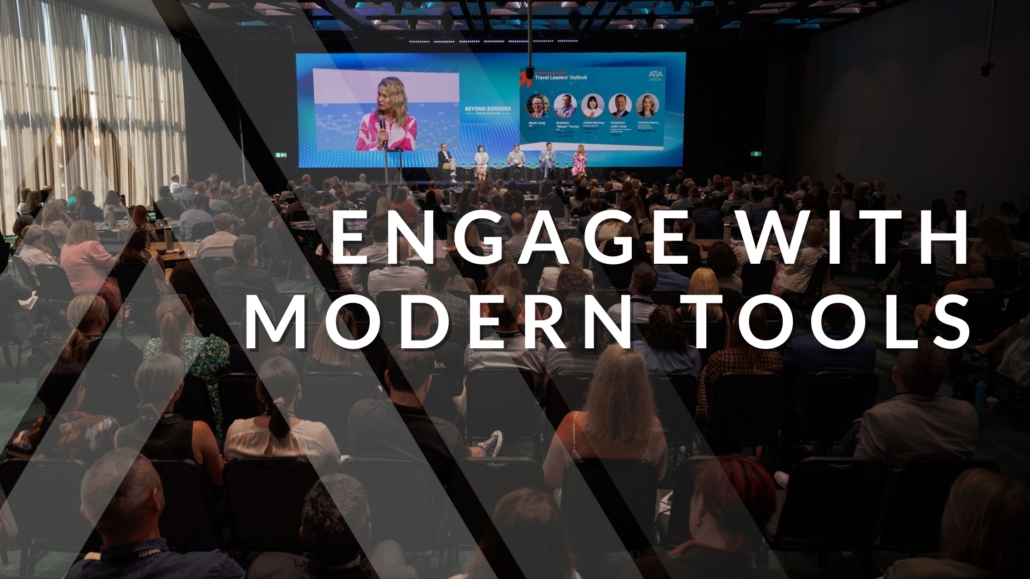
Engaging presentation showing interactive slides on a UHD led screen.
Introduction

Whether you are giving a keynote speech, running a seminar or moderating a panel, your main objective is to keep your audience engaged. Research shows that storytelling activates the same parts of the brain involved in experiencing events and strengthens emotional connections. Great presentations also depend on audio quality, interactivity and visual design. This guide explains how to harness storytelling, sound engineering, second‑screen technology, staging, lighting and colour psychology to captivate attendees in 2026.

Structure your narrative around stories

Facts alone rarely stick; humans remember and relate to narratives. Start with a real example or anecdote that illustrates your key message, introduce a human element, follow a simple arc (beginning, middle, end), and speak authentically rather than reading a script. Stories help audiences connect emotionally and improve recall. Make sure your stories align with the event’s theme and objectives.

Prioritise professional audio

Studies from USC and Yale demonstrate that poor sound quality makes speakers seem less intelligent and trustworthy. Conversely, clear, balanced audio increases engagement and recall. Chose a venue with a professional in-house AV team like AVPartners. Our Event Technology services include high‑fidelity microphones, mixing consoles and acoustic treatments to ensure every word is heard.

Leverage second‑screen and interactive tools

Mobile devices can distract audiences, but they can also enhance engagement. Second‑screen apps allow attendees to view slides, respond to polls, submit questions and take notes on their smartphones. Interactive platforms even let participants vote on discussion topics in real time. By integrating these features into your event app or web platform, you give attendees more control over their experience and collect valuable feedback. AVPartners can recommend platforms that integrate seamlessly with our Virtual & Hybrid Event Services.

Design staging and styling to support your message

Your stage is the physical frame for your presentation. It should reflect the event theme and make speakers visible from every angle. Use branded backdrops, eye‑catching decor and well‑placed furniture to focus attention. Position yourself strategically on stage to maintain connection with the room. Our Theming, Staging & Styling team can design bespoke stages, podiums and signage that reinforce your narrative.

Use lighting as a storytelling tool

Lighting sets the mood and guides your audience’s attention. Warm colours like red and yellow stimulate energy and prompt action, while cool hues like blue and green promote calm and focus. Gobo projections (custom patterns inserted into spotlights) can project logos or imagery onto walls, adding a professional flourish. Work with experienced lighting designers to balance brightness and avoid glare on your face, glasses or jewellery.

Incorporate colour psychology

Different colours evoke different emotions. Blue encourages trust and concentration; red conveys urgency and excitement; yellow signals optimism; green evokes harmony and sustainability; purple suggests luxury; white denotes simplicity; black adds sophistication. Use these colours consistently across slides, lighting and stage decor to reinforce your message. For example, choose blue lighting during data‑heavy segments and warm tones for inspiring stories. Our experts can help translate your brand palette into an immersive visual experience.

Conclusion

In 2026, audiences expect presentations that are personal, interactive and polished. By weaving compelling stories, ensuring pristine audio, using second‑screen technology, designing intentional staging, employing strategic lighting and leveraging colour psychology, you will deliver presentations that resonate and drive action. To take your next conference or seminar to the next level, connect with our team at AVPartners and discover how our Event Technology and Theming, Staging & Styling services can transform your ideas into reality.
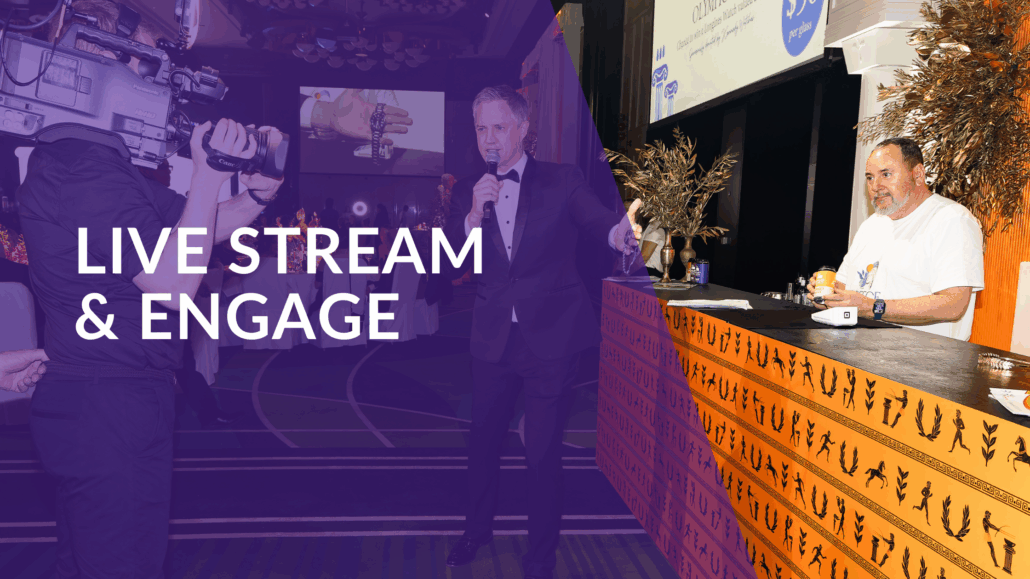
Live streaming of an event fundraiser for charity

Introduction

Live streaming has become a core component of successful events. Virtual and hybrid formats continue to expand reach and deliver high‑quality experiences. Live streaming enables event organisers to connect with attendees worldwide and build community around their brands. When used strategically, live streaming can grow ticket sales, unlock new revenue streams and help event planners gather valuable data to improve future events. However, not every event benefits from being broadcast; exclusivity can still be a powerful draw for high‑touch gatherings. This guide explains when and why to live stream your event, and how to do it well.

Maximise your exposure and brand equity

Live streaming allows you to reach beyond the confines of a venue. Platforms with multi‑CDN (Content Delivery Network) delivery and adaptive bitrate streaming deliver high‑quality video to smartphones, tablets and smart TVs around the world. Audiences who cannot travel due to budget, health or distance can still participate. Live content also generates urgency; real‑time broadcasts on social media tend to attract more engagement than static posts. In fact, research shows that events that offer live streaming often see increased future attendance, up to 30 % of virtual viewers eventually attend the in‑person version.

Live streaming also helps build brand awareness and credibility. Streaming your keynote or product launch demonstrates transparency and inclusivity, and it provides evergreen content that can be repurposed into bite‑sized clips, tutorials or social posts. Sponsorship opportunities multiply as brands can be integrated into the broadcast and reach a global audience. For public events, consider monetising your stream through tiered ticket pricing or paid access to premium sessions to offset production costs.

Reduce costs and environmental impact

Hosting a virtual or hybrid event can lower costs for organisers and attendees. Virtual events eliminate travel, accommodation and per‑diem expenses, and reduce the carbon footprint associated with flights and ground transport. Industry surveys show that moving online can cut event costs by up to 70 %. Even for hybrid events, streaming a portion of the program can allow you to book smaller venues while still accommodating thousands of online participants. In Australia, where travel between cities can be expensive, live streaming offers inclusive access and reduces the logistical burden on delegates.

Enhance engagement through interactive features

Modern streaming platforms offer more than passive viewing. Chat functions, live polling, moderated Q&A and virtual breakout rooms encourage participation and keep remote audiences invested. Real‑time engagement tools can increase satisfaction and deliver richer data insights. Post‑event analytics reveal who watched, where they tuned in from, which sessions were most popular and how long viewers stayed engaged. These metrics can inform marketing strategies and content planning for future events.

Future‑proof your content and audience growth

When executed professionally, live streaming becomes an investment in long‑term growth. Capturing sessions allows you to build a library of on‑demand content that can be monetised or used to nurture leads. Archiving your sessions behind a paywall or membership site gives participants who missed the live event another chance to learn. For membership organisations, on‑demand access can be offered as part of annual subscriptions. Combining live streaming with in‑person experiences delivers the best of both worlds: exclusive networking onsite, plus global exposure and evergreen education online.

Is live streaming right for your event?

Before deciding, consider the goals of your event. Exclusive, high‑ticket experiences or private board meetings may benefit from remaining intimate. However, most conferences, product launches and public ceremonies can gain from the broader exposure and data insights that live streaming provides. Identify which segments of your audience cannot attend in person and design a hybrid agenda that keeps remote viewers engaged. Work with a professional audiovisual team like AVPartners Live Streaming & Hybrid Event Services to ensure broadcast quality, reliable internet connections and creative integration of online and onsite elements.

Conclusion

Live streaming has matured from a contingency solution into a strategic asset. When aligned with your objectives, it expands reach, reduces costs, enhances engagement and future‑proofs your content. With the right planning and technology, a live‑streamed event can amplify your message well beyond the room and deliver long‑term returns.

Entertainment performs for conference attendees

Conferences are evolving rapidly. Attendees expect more than traditional lectures; they want immersive, personalised experiences that reflect modern technology and culture. In 2026, successful conferences use innovative formats to keep audiences engaged and inspired.

Multi‑sensory experiences

Engaging all five senses has become a priority. Research shows that sensory‑rich events increase emotional connections and memory recall. Event planners are using dynamic lighting, LED walls and projection mapping to transform conference spaces. Curated playlists and live musicians set the mood, while themed menus and interactive food stations add flavour. Textured linens, hands‑on installations and premium giveaways provide tactile stimulatio. Even scent is considered, subtle fragrances or fresh flowers create inviting aromas. Balancing these elements ensures the sensory experience complements your message without overwhelming attendees.

Seamless day‑to‑night events

Binary events, where conferences transition into evening networking dinners, are gaining popularity. Instead of moving attendees to another venue, organisers convert the same space from daytime sessions to gala dinners. This approach reduces logistical costs and keeps guests engaged. By refreshing floor plans, lighting and décor, planners reignite energy and create an evening atmosphere. Day‑to‑night events also allow for creative programming: daytime workshops and keynote presentations followed by live entertainment, awards and socialising.

Hybrid conferences and global reach

Hybrid events, which blend in‑person and virtual participation, remain vital. Surveys predict that 70 % of events will include hybrid components. Live streaming lets people join from anywhere and extends your event’s impact; professional platforms provide adaptive bitrate streaming, analytics and secure delivery. Hybrid conferences also allow you to record sessions for on‑demand viewing and build communities beyond the event date. For a reliable hybrid solution, explore Virtual & Hybrid Event Services by AVPartners.

Hyper‑personalisation and micro‑experiences

Attendees expect events tailored to their interests. According to industry forecasts, hyper‑personalised journeys will dominate conferences. Registration processes now collect preferences to create customised agendas, targeted notifications and personalised networking opportunities. Smaller group activities, roundtables, cohort discussions and identity‑based meetups, give people meaningful connection. AI‑powered matchmaking tools pair attendees with similar interests, while micro‑events deliver niche content within the larger program.

Digital immersion and emerging tech

Event technology is pushing boundaries with augmented reality, virtual reality, holograms and drones. Immersive virtual worlds and multi‑camera live production enable participants to explore digital environments and interact with remote speakers. Drones capture unique footage and add drama during opening ceremonies or evening entertainment. Holograms and mixed‑reality displays bring speakers or products to life. Gamified interactions, such as mobile scavenger hunts or AR quests, keep guests engaged throughout the conference.

Sustainability and wellness

Conferences in 2026 place greater emphasis on sustainability and wellbeing. Planners reduce waste by eliminating single‑use materials, sourcing local food and partnering with eco‑friendly suppliers. Wellness breaks, yoga sessions, meditation rooms or outdoor walks, help attendees stay focused and recharge. These elements reflect broader societal values and leave a positive impression on delegates.

Conclusion

Staying up to date with conference trends means embracing technology, creativity and human connection. By designing multi‑sensory experiences, creating seamless day‑to‑night transitions, offering hybrid participation, personalising attendee journeys and incorporating immersive tech, you ensure your conference stands out in 2026.

For support with cutting‑edge event technology and creative design, explore AVPartners’ Conference and Event and Multimedia Production services.


Modern presentations need to do more than deliver information. They must capture attention, encourage interaction and inspire lasting memories. Research shows that active learning, which involves participation and discussion, improves attentiveness and knowledge retention compared with passive listening. To make your next speech, seminar or workshop stand out, consider three technology-driven strategies that help presenters create meaningful and interactive experiences.

1. The Medium is Still the Message: Use the Right Tools

If the medium shapes the message, it is time to look beyond static slide decks. Interactive tools such as live polling apps, digital whiteboards and Q&A platforms invite the audience to become part of the conversation. Engagement thrives when communication moves from one-directional delivery to a dynamic exchange. Engaged audiences ask questions, react to ideas and absorb information more deeply. Studies show they are also more likely to remember key points and enjoy the experience.

Live polls and quizzes

Real-time polling lets speakers gauge opinions and adjust content as needed. Polls also break up slide-heavy presentations and ensure every participant has a voice.

Interactive Q&A platforms

Tools such as Sli.do or Poll Everywhere allow attendees to submit questions anonymously. This removes barriers for shy participants and encourages more inclusive dialogue.

Diverse media formats

Short videos, animations or graphic recordings can help re-engage audiences when attention begins to drift. Educational research supports the use of videos designed to manage cognitive load and increase understanding.

2. Ditch the Paper: Present with Tablets and Apps

Printed notes can slow you down and break your connection with the audience. Tablets offer a modern, polished alternative. Presenter Corey Quinn found that switching to an iPad improved mobility, eliminated the need for printed notes and provided a reliable backup if a laptop failed. He also noted that an LTE-enabled tablet removed dependence on venue Wi-Fi.

Presentation software

Apps such as Keynote, PowerPoint and Google Slides allow you to edit and present wirelessly. Cloud storage ensures your files remain accessible from any device.

Cueing and annotation apps

Digital note tools help you scroll through speaker notes, highlight key ideas and maintain eye contact with your audience.

Remote control tools

A Bluetooth remote enables natural movement on stage. Quinn recommends investing in a reliable remote for smooth slide transitions.

Tablets also signal a forward-thinking, environmentally conscious approach. A visual suggestion here would be a photo of a presenter confidently using a tablet instead of printed cue cards.

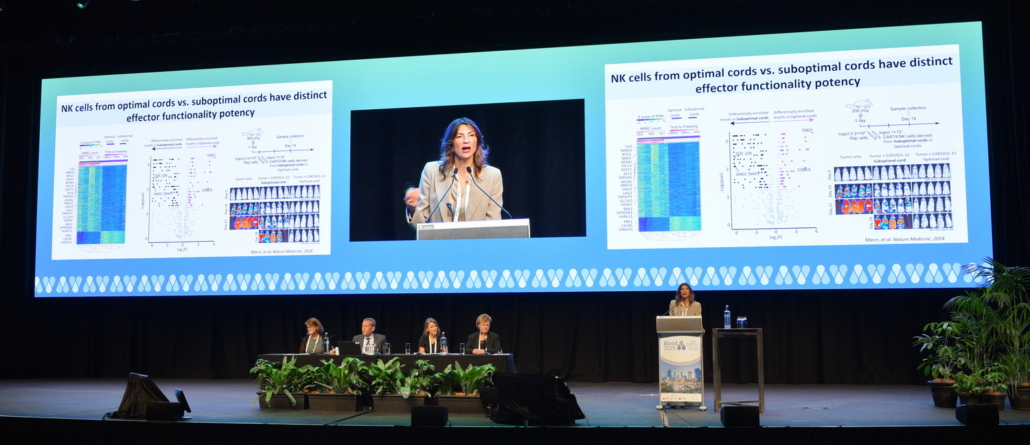
technology for engaging presentations in action at PCEC

3. Turn Audiences into Participants

Technology has changed how audiences interact before, during and after presentations. Event apps, live polling and social media allow attendees to become active participants.

Social media engagement

Encourage live tweeting with an event hashtag and show the feed on screen. Real-time sharing builds excitement and expands the reach of your session.

Audience response systems

Clickers or app-based response tools let attendees vote, answer questions or react instantly, keeping energy levels high.

Interactive event apps

Many conference apps include integrated polling and Q&A functions. Consult your AV team to learn which tools are available at your venue.

Workshops and networking

Small-group activities help attendees apply new ideas and connect with one another. These moments increase engagement and strengthen learning outcomes.

By planning engagement across all stages of the presentation, you transform passive listeners into active contributors. Interactive elements should always reinforce the message rather than distract from it.

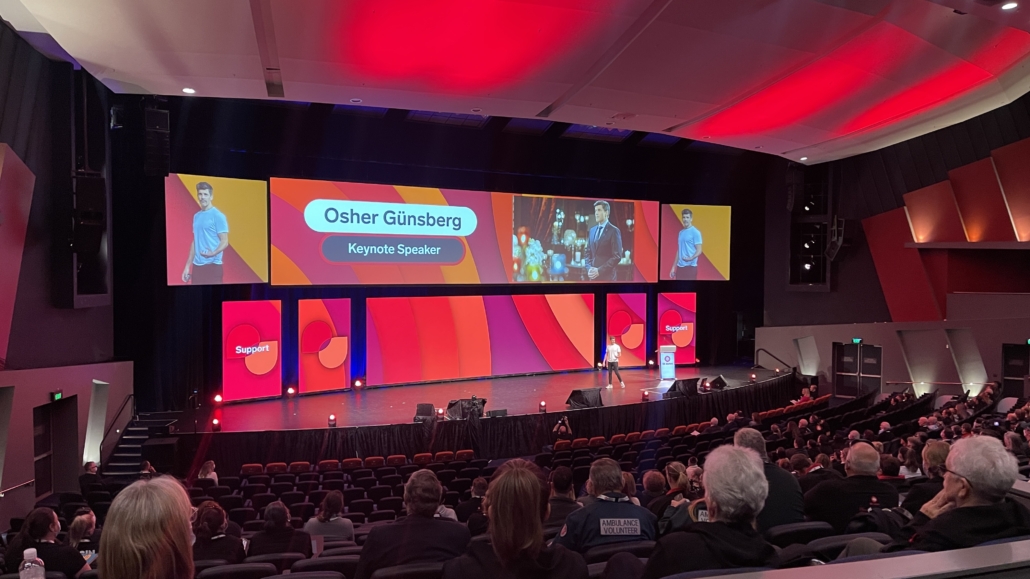
Osher Gunsberg, using technology for engaging presentations

Final Thoughts and Next Steps

When used thoughtfully, technology can turn a standard presentation into a memorable, interactive experience. Interactive tools encourage active learning and increase retention. Tablets streamline delivery and create a modern impression. Social media and audience response systems turn your talk into a conversation rather than a monologue.

To ensure everything runs smoothly, consult our event staging and audiovisual team well in advance. They can recommend the right tools, integrate them into your setup and provide on-site support.

If you are ready to rethink your next presentation, explore AVPartners multimedia services to discover how we can help you design engaging, technology-driven sessions that resonate with today’s audiences.

Want to reach more people at your next event?

Your event doesn’t need to be confined to the walls of your event space. Using the right tools and technology, you can grow your next event so that it reaches people all across the country… and even the world!

The trick is to get people involved and engaged online. Here’s how to do it.

Choose the right webcast technology

Running a webcast of your event is the perfect way to encourage people who are unable to attend your event in person to get involved. Webcast technology can be incorporated into your event plan from the very beginning of your planning process. To make sure your online guests feel involved on the day, prioritise your webcast just as you would prioritise choosing your event space, organising your seating plan and planning your guest list. To really embrace your online guests on they day, consider having your MC and speakers address them directly.

A great AV team like AVPartners will use state-of-the-art technology to put the guest experience first. AVPartners will also step you through the planning process and ensure that your webcast is set up in a way that allows people from anywhere in the world to attend.

Use live polling

Live polling is a great way to engage with your online audience on the day of your event. It can be used during your Q&A session or anytime throughout the event to keep your guests from around the country and globe interested and involved.

Use an event app

Using an event app can strengthen the involvement and engagement of your online event guests. Apps like Whova and Grupio can keep your attendees up-to-date with your event agenda and special event announcements. Some apps even offer surveys and contests to engage online attendees as well as networking capabilities to help your online guests socialise with each other.

Create an event hashtag

Using a hashtag is a simple way to encourage online conversation about your event. A hashtag that is exclusive to your event can help you to build brand awareness with the people that matter by igniting discussion about your event across social media.

Make an event video

Using the right video technology can really bring your event to life online. By choosing a team of experts to create your event video, you can build a buzz around your brand and build anticipation for the next time your event is held. Sharing an event video online is also a great way to display the experience of your event with people in other cities and countries.

Share your event on social media

Social media is the perfect tool to create a buzz before, after and during your event. Social media is global in nature so using it gives you the ability to reach people far and wide. Leading up to the event, social media can be used to share content that builds anticipation for the event to attract online attendees. Posting live video snippets and images during the event is a great way to include people online. Sharing some highlights after the event is a great way to build buzz for the next time you run your event.

Contact us today to set up video and webcast technology at your next event.

What is an event without sound?

Whether it’s in the form of music, speeches, presentations or more, sound is a crucial part to any event. It’s what informs, educates, and entertains your guests; evoking emotion, cause and action. Without it, you would struggle to get your event message across clearly to your guests.

Microphone mishaps, audio delays, or broken sound are just a few of the sound issues that can occur, and have the ability to make or break your event.

So, how can poor sound quality affect your event?

Your guests

Your guests come to your event expecting to be impressed, so it’s a real let down when things like audio fail to meet their expectations. Poor audio can leave them feeling underwhelmed, and can also give them a negative impression of your business, brand, or event purpose.

Your business or brand

With poor audio, your event message may not have had the desired effect or cut-through with your guests, which can make the whole event feel like a waste of time and resources. It can make you appear under prepared and unprofessional which means that guests will be hesitant to do business with you in future.  

Your team

When people work with you at events – be that employees, volunteers, suppliers, sponsors or vendors – they are putting their faith in you and expect a good outcome. When that doesn’t happen, it can actually make them look bad and hurt their reputation, even if they had nothing to do with the issue.

Your future events

If people weren’t impressed at your last event, it’s unlikely they’ll return to the next one. They may even spread the word about how unimpressed they were which means other people may not attend who weren’t even directly affected by the last event!  

Bottom line is – the result of poor sound quality at your event can have lasting effects.

So, how can you ensure that the sound at your next event is without fault?

Hire a professional audiovisual (AV) team

Without the right expertise, things can and do go wrong. A knowledgeable and experienced AV technician knows how to get the balance right to ensure sound is clear, consistent and at the right volume. They’re also on hand to organise, manage, and control it throughout the entire event.

A great AV technician will make adjustments on their sound board to smooth out variations and distribute a more consistent level of sound from speaker to speaker, or song to song, as your event progresses. They can also tune the sound to combat any complications in the acoustics of the event space and amplify the output signal from the speaker to the loudspeakers at the right volume for your audience.

Hiring an in-house AV team, such as AVPartners, can be a fantastic option as in-house teams know their venues well, can offer you a wealth of knowledge and experience, and can tailor audio options to suit your event.

Contact us today to discuss the sound at your next event.

Promoting your event is one of the most important factors for success. Without getting the promotion of your event right, even the most interesting and well planned events won’t be successful. Promotion is what sells tickets, increases brand and event awareness, and builds excitement.

Ultimately, you want to attract people to your event, and the best way to do so is to spread the word far and wide. These days, technology can play a big part in that, and is an extremely useful marketing tool for event planners.

As with any marketing activity, you’ll want to make sure you have given yourself enough time prior to the event to promote and advertise it. Depending on your event type, you might even start a year in advance!

To help, we’ve put together some ways to promote your event:

Social media

Social media is now a must for any event. There are many ways to promote your event by engaging with your audience and targeting your message to interested parties, through strategic paid and unpaid social media campaigns.  

Online and offline advertising

Online advertising is a great way to promote events as highly targeted ads can achieve a great return on investment. Offline advertising through certain magazines, newspapers, or even mail box leaflet drops is also a good option.

Media and publicity

A media campaign can be a great way to gain coverage for your event, driving further awareness. This approach can work well for trade shows, markets and festivals.

Local signage

Depending on the type of event and location, you may find that signs and banners, even digital signage, placed locally around the event area will spark some interest.

Website

It’s also a great idea to have a designated section of your website for your events or give the event its own website. This will assist anyone looking for more information and will also improve your SEO so people can find you through Google.

The venue

When you’ve chosen and booked the venue for the event, they may be able to start promoting your event on their website and social media channels too, along with promotions within their venue such as posters or flyers. Make sure you cover all bases when researching venues, such as catering options, venue size, and audiovisual capabilities.

At AVPartners we take great pride in hosting events of all types and sizes; using lighting, audio, and visual technology to take events to the next level! Contact us today to chat about your next event.

Audio is one of the most important, yet often overlooked, elements at an event. Any issues with audio at an event can leave guests with a negative impression, and make you or your business appear unprofessional or unprepared.

For clear audio at an event, you’ll want to ensure announcements are audible in an open space, or that presentations or music can be heard both at the front and back of the room.

Here are our tips to ensure your audio is clear:

A little goes a long way

You don’t need to overdo the volume or audio effects to make a great impact on guests. If there are changing parts to a presentation, such as a shift between speaking, music or video, make sure the volumes are set and that you won’t shock your audience by a sudden increase in decibels.

Match the right tool for the job

Just as you wouldn’t eat cereal with a fork, you need to use the correct microphone or speaker for the job. Microphones and speakers all have their own qualities that make them best suited to particular sounds or presentation settings.

Make sure presenters know how to use their microphone

With the many variants of microphones available, it’s important to give your presenter a quick intro to the one they will be using, so they’re aware of it’s capabilities and how they should best handle it. For example, a presenter may need to wear a lapel microphone and as such they will need to be advised not to create excess noise through their clothing covering or coming into contact with the microphone.

Ensure you have qualified technicians at the soundboard

Audio at an event is not just a ‘set and forget’ type of support, it needs qualified technicians to organise, manage, and control it throughout the entire event. Hiring an in-house AV team, such as AVPartners, can be a fantastic option as in-house teams know their venues well, can offer you a wealth of knowledge and experience, and tailor audio and lighting options to suit your event.

To find out about the best ways to use audio at your next event, speak to us today!

Conferences are great for bringing a large group of people together to discuss and learn about certain topics. They are sometimes held over a few days, or even just within a few hours. Either way, there’s always plenty to think about when planning one.

Here are our top three things to consider when planning a conference:

Venue

Conferences tend to be larger scale events, so it’s a good idea to research venues that will cater to your needs in terms of size, amenities and style. You might need separate rooms or sections for break out sessions, or just one big hall to present in. Make sure the venue is appropriate for your conference, that it speaks to the style and theme you want to present, and that it is convenient enough for guests to get to by car or public transport.

Sponsors

Having sponsors who pay to feature at your conference can really help with costs. You might have a few different sponsorship options and levels available, or just one or two main ones, and sponsors may be granted exclusivity or a chance to present at the conference. It’s entirely up to you and the needs of your conference when determining how deep the sponsorship relationship goes, but don’t be too shy when seeking sponsorship income as sponsors can be a huge support during this time.

Audiovisual support

A great conference relies on great AV support. Work out what you need in terms of AV – such as microphones, lighting, staging, monitors, teleconferencing capabilities, or video access for virtual attendees. Many venues have an in-house AV team, such as AVPartners, and are able to make your conference AV needs for sound, lighting and audio smooth and professional!

If you’d like some more information on planning your next conference, contact us today!

Are you planning to hold an event next year? If so, you’re probably hoping that it’s an interesting and engaging one, and that everyone has a great time. One thing to consider when it comes to planning interesting events is what is ‘on trend’ at the time.

There are so many unique ways to impress your guests and give them a talking point during and after your event.

Here are our favourite event trends for 2017:

Creative catering

Unique catering is a great way to stand out and impress, and you can also use it to brand your event. Elements such as signature cocktails using your brand’s colours, or desserts with edible rice paper logos or messages on top, are interesting ways to get creative with catering.

The extreme dessert trend is likely to continue into 2017, with dessert walls (think donuts and Nutella) becoming part of the decor!

Personalisation

People want more than the standard cookie-cutter event, so they’re looking for more personalised options when they scout their venues and plan their events. The possibilities for personalisation are endless, with more simple things such as personalised email or app communications to guests through to more complex data driven elements such as tailoring events to the individual based on their reactions on social media.

According to a study by Eventsforce, personalisation is a key priority for 82% of event planners, with 97% saying they believe that event personalisation can change a guests perception of your brand or event.

Audiovisual technology also plays a huge part in personalisation of events. Lighting effects, colours and staging options can all contribute to a more tailored event. At AVPartners we pride ourselves on fully understanding our client’s event and design briefs so that we can deliver on a completely unique and successful event.

Digital interaction

More and more we are seeing that event planners are embracing digital channels to reduce costs, to be more environmentally conscious and to better engage guests. There are so many interesting ways to deliver information at your event digitally rather than expecting guests to take notes constantly or handing out paper. Examples include leveraging an event app, providing a digital handout via files made available on a USB or having notes delivered by email.

Video content

We all keep hearing that video is the future, and in 2017 we will see a greater role for video at events. One example of where video is being used effectively is through the live-streaming of events. This is where an event is filmed and delivered to online viewers in real time, so that they don’t miss out and can be part of the action as it unfolds. Usually this footage can then be packaged up and shared on a business’ website or social media, or used in-house.

It’s important to note that you don’t need to go overboard with event elements to create an impact. Choosing just one or two ideas and exploring how they can meet your business and event needs will be enough to impress.

Talk to us to start planning your 2017 events!