Tag Archive for: audiovisual

Creating excitement and engagement at events can sometimes be a little tricky, especially if people are burying their faces in their smartphones. So if everyone is using their phones anyway, why not make it part of the event?

A good idea to incorporate smartphones into your event is to have a social media wall, harnessing the power of social apps such as Twitter, Instagram and Facebook. This gives all attendees the opportunity to participate and be part of the conversation and fun.

What is a social media wall?

A social media wall is effectively a digital screen or screens which display different social media channels and feeds. You can opt to have your social media wall across multiple screens throughout your event, ensuring many people see it, or have one main one as a large feature wall.

How do they work?

Social media walls work by displaying one or more social media channels and feeds, in real time. You could have the Facebook feed of the speaker on there, the Twitter feed for the event hashtag, or the Instagram feed of the event sponsors. The options are endless!

Here are a few things to keep in mind:

Make sure you #hashtag

You can create an event hashtag that gives your event attendees a way to be a part of the event, so that their posts, photos and updates appear on the social media wall. It fosters a lot of fun and engagement between attendees, and it won’t be long before they are grouped around the screens, excitedly waiting for their post to be shown!

For this to work effectively, you must have a simple and on brand event hashtag, that your attendees can use on their posts so they can easily be found on the various social media channels. Some examples of event hashtags are: #ANZgala2017 #NewtownFestival #JoandTomWedding

Make sure the hashtag is short enough that it doesn’t use up too many characters (especially for Twitter), and not too obscure that it doesn’t read easily or make sense.

Start conversations

You can utilise a social media wall to ask questions at the event, or spark light debate. All attendees can get involved and post their opinions, ideas or replies simply by using the event hashtag.

Update your attendees

You can also use the social media wall for event updates, keeping everyone in the loop and up to date. This is extremely helpful at large trade shows or festivals where information might change throughout the event.

If you’re keen to maximise engagement and interaction at your next event using social media walls, contact us today!

Gone are the days when a projector’s main purpose was to light up a white wall in a meeting room and project onto it with boring words and graphs.

Projectors are now a huge part of the events industry, and it’s easy to see why! Projecting images, logos, graphics and information onto surfaces not only looks impressive, but also brightens event spaces and can complement your event theme. The options are endless when it comes to creatively planning your event projections.

Here are some of our favourite creative uses of projectors at events:

Creating digital visuals

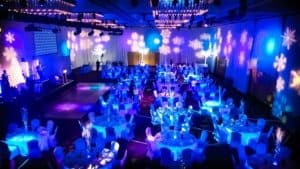
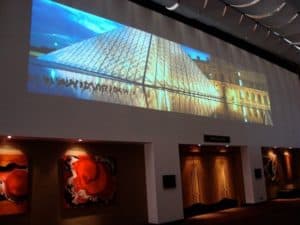
One of the most common ways to use a projector is to simply project imagery or graphics onto the wall. An example below from our Sofitel Brisbane Central venue shows that this can be utilised in a large format, so it’s a great way to showcase a lot of images or make one stand out. Unlike traditional artwork on canvas, projected images can be changed continually throughout the event, thus changing and enhancing the mood, theme or event message.

DSC00575

Enhancing your branding

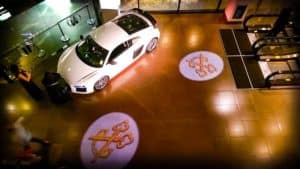
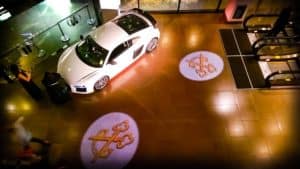
Another one of our favourites is to project a business or brand’s logo onto a surface area. This is such a great way to give your brand extra exposure at the event, and can create a feeling of luxe exclusivity. Below is an example of this in the lobby at our Sofitel Brisbane Central venue.

IMAG1817

Video projection and projection mapping

The projection fun doesn’t stop at images – we can even project videos onto surfaces! This can be done by simply projecting a video onto a wall, or it can be a source of entertainment in and of itself by using projection mapping. Projection mapping essentially ‘maps’ out the surface area of where the video will go, usually over odd and irregular shapes, before a detailed projection is showcased on the object. It’s the same technology used in Sydney’s Vivid lights festival.

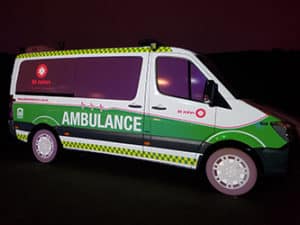
Our team at Perth Convention and Exhibition Centre (PCEC) recently did a fantastic job projection mapping a St John’s ambulance, and wowed guests at their conference. They positioned two ‘unbranded’ ambulances in the room on either side of the main stage and projected an animated “multi-stickered” ambulance image onto the vehicles.

projection-mapping-250w

To see it come to life, check out the video on PCEC’s site.

If you’re keen to include this technology at your next event, contact us today!
Audio is one of the most important, yet often overlooked, elements at an event. Any issues with audio at an event can leave guests with a negative impression, and make you or your business appear unprofessional or unprepared.

For clear audio at an event, you’ll want to ensure announcements are audible in an open space, or that presentations or music can be heard both at the front and back of the room.

Here are our tips to ensure your audio is clear:

A little goes a long way

You don’t need to overdo the volume or audio effects to make a great impact on guests. If there are changing parts to a presentation, such as a shift between speaking, music or video, make sure the volumes are set and that you won’t shock your audience by a sudden increase in decibels.

Match the right tool for the job

Just as you wouldn’t eat cereal with a fork, you need to use the correct microphone or speaker for the job. Microphones and speakers all have their own qualities that make them best suited to particular sounds or presentation settings.

Make sure presenters know how to use their microphone

With the many variants of microphones available, it’s important to give your presenter a quick intro to the one they will be using, so they’re aware of it’s capabilities and how they should best handle it. For example, a presenter may need to wear a lapel microphone and as such they will need to be advised not to create excess noise through their clothing covering or coming into contact with the microphone.

Ensure you have qualified technicians at the soundboard

Audio at an event is not just a ‘set and forget’ type of support, it needs qualified technicians to organise, manage, and control it throughout the entire event. Hiring an in-house AV team, such as AVPartners, can be a fantastic option as in-house teams know their venues well, can offer you a wealth of knowledge and experience, and tailor audio and lighting options to suit your event.

To find out about the best ways to use audio at your next event, speak to us today!

Conferences are great for bringing a large group of people together to discuss and learn about certain topics. They are sometimes held over a few days, or even just within a few hours. Either way, there’s always plenty to think about when planning one.

Here are our top three things to consider when planning a conference:

Venue

Conferences tend to be larger scale events, so it’s a good idea to research venues that will cater to your needs in terms of size, amenities and style. You might need separate rooms or sections for break out sessions, or just one big hall to present in. Make sure the venue is appropriate for your conference, that it speaks to the style and theme you want to present, and that it is convenient enough for guests to get to by car or public transport.

Sponsors

Having sponsors who pay to feature at your conference can really help with costs. You might have a few different sponsorship options and levels available, or just one or two main ones, and sponsors may be granted exclusivity or a chance to present at the conference. It’s entirely up to you and the needs of your conference when determining how deep the sponsorship relationship goes, but don’t be too shy when seeking sponsorship income as sponsors can be a huge support during this time.

Audiovisual support

A great conference relies on great AV support. Work out what you need in terms of AV – such as microphones, lighting, staging, monitors, teleconferencing capabilities, or video access for virtual attendees. Many venues have an in-house AV team, such as AVPartners, and are able to make your conference AV needs for sound, lighting and audio smooth and professional!

If you’d like some more information on planning your next conference, contact us today!

Events are a great way to bring people together, and share a moment, message or idea with a captive audience. They do, however, take considerable time, effort and organisation to execute successfully.

When deciding whether to hold an event, the first step should be to ask why you’re holding the event. This will help you get to the heart of whether an event will be valuable and help you achieve your goals. Here are some of the common reasons organisations hold events.

To build brand awareness

Events bring people together at the one location at the one time, giving you focussed time you can utilise to build brand awareness around your business with target audiences. You might make a presentation highlighting your services, or hold a workshop that builds on your thought leadership, making you a respected and trusted person within your industry.

To humanise the business

It’s usually quite fun and interesting to meet the people behind certain brands, so make sure you give your customers or clients what they want by introducing yourself and letting them know that there are real people in your business. It’s also a good time to thank customers and clients for their support, and offer to answer any questions they have or help them in some way if you can. People buy from people, so make sure your business is real and authentic.

To provide networking opportunities

Events are a great way to expand your connections, gain new clients, customers or referrals, and also to show your existing customers or clients what else you can offer them. It’s also an excellent way to meet like-minded individuals in your industry, and you never know where those relationships may lead!

To fundraise

For not-for-profit and charity organisations events are a perfect way to do drive fundraising efforts. They offer a controlled and focussed environment for you to spread the word and incite empathy and curiosity in attendees.

To launch a new product or service

New products or services are a cause for celebration! Events can allow you to inform guests of this, offer demonstrations, or give away samples. It gives your potential customers a chance to interact with your product or service in person, and in a fun and upbeat atmosphere.

To recognise and reward

Awards ceremonies are a very common type of event to hold, and a fantastic way to recognise your team or others for their hard work. Recognition is always appreciated, and usually makes for a more loyal team.

To offer a face-to-face communication experience

Too often in this digital world, we lose that personal, human interaction. While the internet has opened up a world of possibilities, the feeling of being in front of someone; having a conversation and sharing a laugh, can’t really be replicated online.

So, now that you know some of the reasons and benefits of holding events, you might be wondering just what type of event suits your business. Events vary in style, size and outcome, but some common event types include a sit down dinner, a fundraiser, an awards ceremony, a cocktail party, or a conference. You might like to read more about which events really engage your customers or clients, or how to know which conference type suits your business.

Once you’re ready to start planning your event, ensure you have a solid timeline in place. For tips on this, check out how long it takes to plan an event.

At AVPartners, we love to help bring your event dreams to life! Speak to us today and let us know your ideas.

Choosing the right venue for your event is crucial to its overall success.

Once you know the type of event you are planning, and how many guests you intend to invite, you will have an idea of the type of venue you’ll need. Be sure to also consider the theme and style of the event, and that the venue reflects this along with the guests expectations.

Once you’ve got the logistics sorted, you will be armed with enough information to start researching venues. When it comes to choosing a venue, consider the following:

Location

The event location needs to form the basis of your decision making. Make sure the location is accessible by transport and has good parking access, along with accommodation particularly if the event goes over a few days. Ensure that the venue is in a location that is sensible and accessible for the majority of your guests to get to, an element of excitement about the venue always helps too.

Catering

Food is such an important element to any event, so whether you choose to have canapes, a sit down meal, or a cocktail option, make sure the venue can offer what you want. Find out what specialties the chef can provide that can give your event a point of difference. Always ensure you have catered for any special dietary requirements of your guests too.

Atmosphere

How the venue or event space looks and feels is a big part of an event atmosphere, and the message you want to convey. If you want to impress guests at a gala dinner with modern decor and a sophisticated ambience, you will need to look at more contemporary venues.

Services and accessibility

Consider your event audience and who are you are targeting, be it families, corporates, or gender specific events, and try to pick a venue that would best support their needs or expectations. For example, families may need access to baby change rooms, or children’s entertainment and enough room for children to run around in, whereas corporates would be expecting an up-market bar service or cocktail party. Be sure to also consider the ease of access to the event space for anyone with special needs, this includes parking, distance to walk, amenities, and ramp access.

Size and capacity

Your expected guest numbers will give you a good idea about the size of venue or event space you should be looking for. Many venues have a selection of spaces of varying sizes, and it will also change based on the type of event you are having, for example a sit down or standing cocktail style event.

Technology access

Ensure that the venue will be able to handle the audiovisual requirements for your event. Many venues will have an in-house AV team, such as AVPartners, who are able to make your lighting, sound and visual ideas come to life! This might include anything from setting up a stage and microphone for speeches, to a colourful and brightly lit ballroom with your logo projected onto the walls.

Make sure you visit the venue personally to see it for yourself, and to put yourself in the shoes of your guests. At AVPartners we couldn’t be more excited to show event planners through our venues, and to let them experience our state of the art technology first hand.

Contact us today to see how our venues can make your event a success.

Sponsoring an event can be beneficial for a business trying to build brand awareness and reach a targeted pool of customers. Event sponsorship is a mutually beneficial agreement between an event organiser and event sponsor. Although there are many different types of event sponsorships, generally they involve an investment by the sponsor into the event which leads to brand affiliation and publicity opportunities for the sponsor.

Event sponsors benefit from marketing and promotional efforts leading up to and during the event, they can build brand loyalty through association with highly credible events, and can often tap into a targeted market that is suited to their business goals. Event organisers can benefit from lower event costs and better credibility through association with large brands.

Why get a sponsor for your event?

For event organisers, event sponsorship can help alleviate some of the prohibitive costs that come with event planning. This may involve a cash sponsorship or an in lieu sponsorship. For example, finding a food or alcohol company to sponsor your event may involve the provision of food and drink, or a print sponsor can cover the costs of printing programs and flyers.

Why sponsor an event?

Event sponsorship is a great marketing strategy for businesses large and small. For up and coming companies, sponsorship agreements which showcase a business’ products or services are a great opportunity to build brand awareness and acquire new customers. For larger brands, sponsorship can be a great opportunity to build brand loyalty and credibility. A common type of sponsorship agreement for large brands is the sponsorship of an event which targets their customers. This type of agreement helps bind larger brands with their customers, in turn building brand identity. Event sponsorship is also a great opportunity for brands to sample new products or services at a lower cost than retailing.

How to choose the right event to sponsor

A few questions to ask prior to signing a sponsorship agreement include: Who will be attending the event? What can we expect to get out of the agreement? Are there other sponsors involved in the event? And if so, how might they impact our sponsorship goals?

It is paramount to consider how the agreement will benefit your business, and it’s equally important to try to measure expectations. If your intentions are to build brand awareness and brand loyalty through the sponsorship agreement, your business should ensure that the demographics of the guests attending the event are akin with your target audience. It is also highly important to ensure that the event’s messaging is aligned with your company values. Another thing to consider is whether there might be a conflict of interest between your business and other sponsors.

If you would like some more information on event sponsorship, get in touch with us today.


With all the exciting events going on and new technologies we get to use, we’ve realised our blog posts cover a lot of ground in the audiovisual space. We thought it would be great to look back at some of your favourite posts over the past year!

Here were some of the topics that our readers found particularly interesting:

Digital technology for your event

Social media has become a huge part of events. We looked at 5 ways to use social media to promote your event, along with how to integrate social media into your event.

Planning an event is a complex undertaking, with countless tasks to keep track of, tight deadlines and multiple stakeholder demands. With the use of apps, the enormity of event planning becomes a whole lot easier.

Event styling, planning and layout

For those not sure how long certain event planning aspects may take, we asked how long does it take to plan an event? We also investigated how to take your event to the next level with event styling, and depending on the type of event you’re having, how to decide on the best seating layout for your event.

Events and your business

Attending an event can make such a positive impact on your business and brand. In this day and age, we often overlook the importance of being in a live environment and interacting with people face-to-face. This in person interaction means you have a great chance to improve brand exposure, and really engage more with your audience.

Audiovisual elements

Audiovisual elements can add a special something to your event. Whether you use lighting to create atmosphere in the room, or require a stage to be set up with microphones and speakers for perfect sound, a good AV team will have you covered.

The right AV team supporting your event can be the difference between a good or bad event.

Interested in finding out more about any of these topics or have a topic you’d like us to explore? Contact us today!

AVPartners has acquired a 12.5m wide blend screen at Hamilton Island, allowing them to integrate even more projection techniques and lighting effects into their events.

The screen, custom made in Switzerland, is a dual projector blend. The technology involves the use of two or more projectors, each portraying a section of an image, blended or overlapped seamlessly together to create a single wider image on screen in a different aspect ratio.

This stunning wide angle display means it’s almost impossible for the guests in the room to notice with the naked eye where the image has been blended.

The resolution is of a high standard, meaning images and videos are crisp, further enhancing the overall quality of the event.

AVPartners Hamilton Island Partner Ritchie Harland said “We look forward to taking our events to the next level with this magnificent piece of technology. This is an exciting and effective way to give events that extra wow factor.”

Director of Events at Hamilton Island, Carissa Ward, said “It’s the use of technology like this that really sets AVPartners apart from the rest, and we are excited to see the upcoming events with the new screen in full swing!”

The technology has already been in use and very well received at AVPartners venues Perth Convention and Exhibition Centre and Crown Perth and is fast becoming the norm for large scale events in Australia.

AVPartners and Hamilton Island have enjoyed a partnership for nearly nine years. AVPartners provides audiovisual support for conferences and events at the location and professional technical assistance for delegates.

Audiovisual technology can add a special something to your event. Whether you use lighting elements to create atmosphere in the room, or require a stage to be set up with microphones and speakers, a good AV team will have you covered.

That’s not to say that sometimes, things just happen that are out of anyone’s control, like a lightning strike resulting in a power outage. But for the majority of events, choosing the right AV team can make a world of difference to your event outcome.

So, how do you choose the right AV team?

Focus on your event goals

A good AV team doesn’t just run the audiovisual components smoothly. They help you add value and drive engagement to maximise your results and increase excitement for your next event.

Figure out the message you want to send out at your event, and the impression you want your guests to walk away with. Sit down with your AV team and discuss all ideas and options. A good AV team will be able to help you visualise the event and all elements.

Also ask your AV team any questions you may have, as this will give you a good indication as to their level of skills and passion. The right team will be able to explain the features and benefits for different audiovisual elements, and help you to make decisions. If you ask questions that they can’t or won’t answer, that might be a red flag for you.

Get techy

Ensure that your AV team have the right technology. For example, a lot of events now incorporate access for virtual attendees, or you may need multiple cameras on a stage. Make sure they are experienced to handle a variety of technologies.

Build trust

The relationship between you and your AV team is extremely valuable to your event. You want a professional team who has seen it all, who are experienced and who you can trust with your event.

Make sure that your AV team has a solid reputation and that they have your best interests in mind.

While all events are different, the overall theme of people coming together to share an experience is something to be celebrated. Contact us today to find out how we can make a difference at your next event.