Five Strategies to Boost Conference Attendance in 2026
Introduction
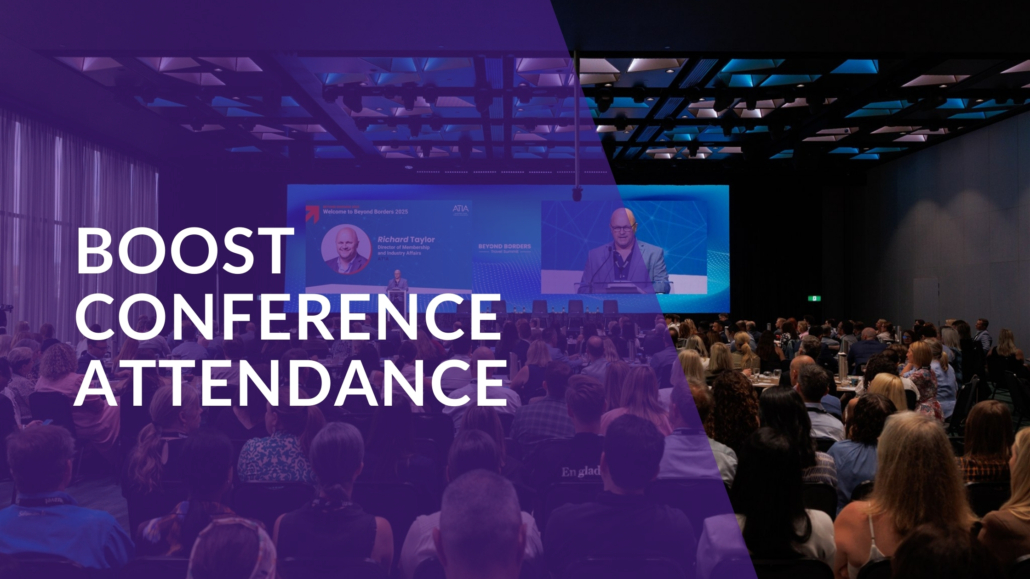
Boosting conference attendance isn’t just about filling seats; it’s about creating an experience that guests are excited to attend. In a market saturated with events, planners must differentiate their offering and convince busy professionals to invest their time and money. Here are five evidence‑based strategies to increase registrations and ensure your next conference is well attended.
1. Schedule strategically
Timing can make or break your event. Avoid overlapping with major industry conferences, public holidays or peak holiday seasons. Research suggests that early promotional planning and calendar checks reduce conflicts and boost attendance. Consider shorter, targeted programmes rather than week‑long marathons; micro‑conferences are rising in popularity because they respect busy schedules and budgets.
2. Offer tiered pricing and incentives
Early‑bird and group discounts create urgency and reward commitment. Event marketing studies show that offering reduced rates for early registrants encourages timely sign‑ups and signals value. Group pricing incentives, such as “bring two colleagues, get the third free,” can encourage teams to attend together and build internal support for the event. Loyalty discounts for past attendees and cross‑industry collaborations can also help boost numbers. In festival settings, early‑bird sales often account for thousands of tickets sold within minutes. Use limited‑time offers to create momentum, but ensure the discounts still align with your revenue goals.
3. Showcase speakers and content early
Attendees want to know what they’ll gain from your event. Reveal your keynote speakers, session topics and agenda early to demonstrate value. High‑profile speakers or industry leaders can draw significant attention, but ensure they align with your theme and deliver meaningful insights. Include descriptions of panels, workshops and networking opportunities on your event page and in promotional materials. Use short video teasers or interviews to highlight speaker expertise and build excitement.
4. Embrace personalised marketing and multi‑channel promotion
Modern audiences expect personalised messaging. Use segmented email campaigns, retargeted ads and social media content tailored to different audience segments. Share behind‑the‑scenes content, speaker spotlights and testimonials across channels. Encourage your speakers and sponsors to promote the event through their networks. Referral incentives can reward attendees who bring friends or colleagues. Make sure your registration forms and payment pages are mobile‑friendly, as many people register on smartphones.
5. Curate unique experiences and strong partner collaborations
Beyond sessions and speakers, plan activities that make your conference stand out. This might include immersive installations, wellness sessions, off‑site excursions, artistic performances or themed dinners. Collaboration with reputable venue partners like AVPartners ensures high‑quality audiovisuals and seamless transitions between sessions and evening programmes. Partnering with sponsors who align with your values can enhance the attendee experience and broaden your marketing reach. Don’t forget to capture highlights through UGC and professional photography to market future events.
Conclusion
Increasing conference attendance in 2026 requires strategic planning, compelling content and targeted marketing. By choosing the right date, incentivising early registrations, showcasing high‑quality speakers, using personalised promotion and designing memorable experiences, you can attract and retain delegates. AVPartners offers Event Technology and Virtual & Hybrid Event Services to help you deliver an exceptional experience for both in‑person and online attendees.