To Theme or Not to Theme? Navigating Event Design Decisions

Introduction
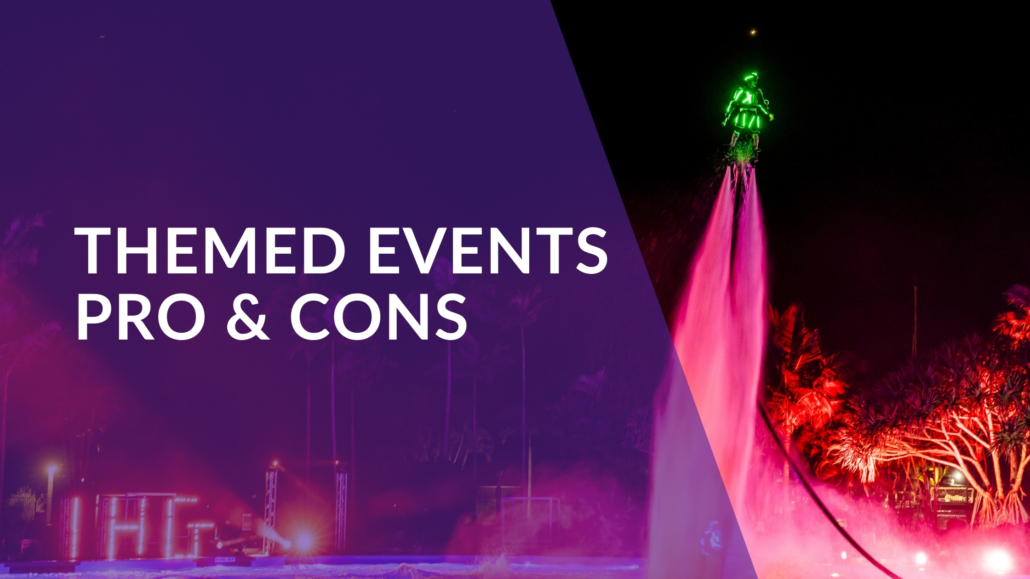
Themes can transform events into memorable experiences, but they also require careful consideration. A well‑executed theme creates excitement and cohesion, guiding décor, entertainment and messaging. Yet themes can add complexity, cost and risk if they are misaligned with your audience or objectives. Should you commit to a theme or opt for a colour scheme instead? This guide weighs the benefits and drawbacks to help you decide.
Benefits of a themed event
Enhanced guest engagement. A distinctive theme captivates attendees from the invitation stage and encourages participation. Guests may dress up, share themed photos and engage more deeply with programming. The consistent atmosphere created by a theme makes your event feel cohesive and special.
Guided planning and decor. Themes serve as a blueprint for design decisions. They help narrow down colour palettes, décor choices and entertainment options, making planning more efficient. They can also inspire creative programming, such as themed presentations or interactive activities.
Reinforced messaging. When aligned with your objectives, a theme can strengthen your message. For example, a sustainability summit might adopt a nature‑inspired theme to reinforce environmental values; a technology launch could use futuristic design to highlight innovation.
Memorable experiences. Attendees remember how a theme made them feel. A well‑chosen motif can create emotional connections and positive associations with your brand.
Drawbacks and considerations
Budget constraints. Themed décor, costumes and specialised entertainment can be costly. If budgets are tight, a simpler colour scheme or aesthetic may achieve elegance without overspending.
Time and logistical demands. Creating an immersive theme requires careful planning and attention to detail. If your event timeline is short, a complex theme could overwhelm your team.
Audience preferences. Consider your audience’s culture and preferences. Some groups might prefer subtlety or may feel uncomfortable with elaborate themes. Ensure your theme is inclusive and resonates with diverse attendees.
Potential message dilution. A theme unrelated to your objectives can distract from your core message and confuse attendees. Keep your brand and goals at the forefront when choosing thematic elements.
Alternatives to full themes
If a full theme isn’t practical, consider a cohesive colour scheme that ties the event together. Use lighting, décor and digital elements to reflect your brand palette. Incorporate small thematic touches, like signature cocktails or themed entertainment, without overhauling every aspect. Hybrid theming (colour scheme plus a few thematic elements) offers flexibility and cost control.
Conclusion
Themes can enhance your event when they are purposeful, well‑executed and aligned with your audience and objectives. However, they are not mandatory for success. Weigh the benefits of guest engagement, cohesion and storytelling against potential costs, logistical demands and audience expectations. For tailored advice and creative support, consult AVPartners’ Theming, Staging & Styling team, who can help you design immersive experiences or elegant colour‑focused events.