Tag Archive for: event styling

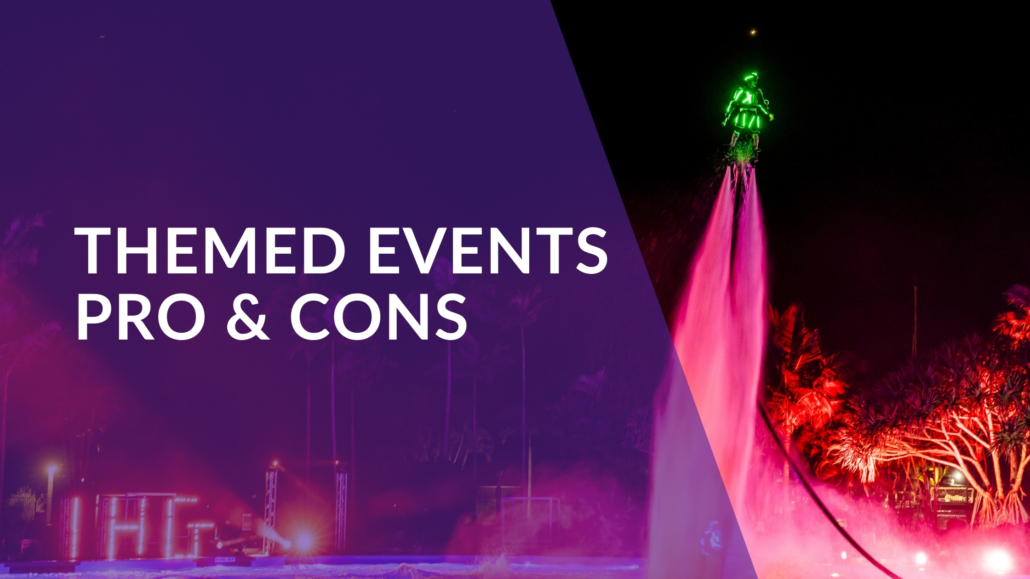
jetpack entertainment bring an event theme to life
Introduction

Themes can transform events into memorable experiences, but they also require careful consideration. A well‑executed theme creates excitement and cohesion, guiding décor, entertainment and messaging. Yet themes can add complexity, cost and risk if they are misaligned with your audience or objectives. Should you commit to a theme or opt for a colour scheme instead? This guide weighs the benefits and drawbacks to help you decide.

Benefits of a themed event

Enhanced guest engagement. A distinctive theme captivates attendees from the invitation stage and encourages participation. Guests may dress up, share themed photos and engage more deeply with programming. The consistent atmosphere created by a theme makes your event feel cohesive and special.

Guided planning and decor. Themes serve as a blueprint for design decisions. They help narrow down colour palettes, décor choices and entertainment options, making planning more efficient. They can also inspire creative programming, such as themed presentations or interactive activities.

Reinforced messaging. When aligned with your objectives, a theme can strengthen your message. For example, a sustainability summit might adopt a nature‑inspired theme to reinforce environmental values; a technology launch could use futuristic design to highlight innovation.

Memorable experiences. Attendees remember how a theme made them feel. A well‑chosen motif can create emotional connections and positive associations with your brand.

Drawbacks and considerations

Budget constraints. Themed décor, costumes and specialised entertainment can be costly. If budgets are tight, a simpler colour scheme or aesthetic may achieve elegance without overspending.

Time and logistical demands. Creating an immersive theme requires careful planning and attention to detail. If your event timeline is short, a complex theme could overwhelm your team.

Audience preferences. Consider your audience’s culture and preferences. Some groups might prefer subtlety or may feel uncomfortable with elaborate themes. Ensure your theme is inclusive and resonates with diverse attendees.

Potential message dilution. A theme unrelated to your objectives can distract from your core message and confuse attendees. Keep your brand and goals at the forefront when choosing thematic elements.

Alternatives to full themes

If a full theme isn’t practical, consider a cohesive colour scheme that ties the event together. Use lighting, décor and digital elements to reflect your brand palette. Incorporate small thematic touches, like signature cocktails or themed entertainment, without overhauling every aspect. Hybrid theming (colour scheme plus a few thematic elements) offers flexibility and cost control.

Conclusion

Themes can enhance your event when they are purposeful, well‑executed and aligned with your audience and objectives. However, they are not mandatory for success. Weigh the benefits of guest engagement, cohesion and storytelling against potential costs, logistical demands and audience expectations. For tailored advice and creative support, consult AVPartners’ Theming, Staging & Styling team, who can help you design immersive experiences or elegant colour‑focused events.

Unique event experience with projection mapping imagery
Introduction

In a crowded events marketplace, creating unique event experiences is essential for differentiating your brand and inspiring guests to return. Utilising innovative lighting, theming, styling, entertainment and technology can turn a standard gathering into an unforgettable journey. Multi‑sensory design, combining sight, sound, taste, touch and smell, has been shown to enhance emotional connections and memory recall. Here’s how to craft distinctive events that resonate long after they’re over.

1. Use strategic lighting

Lighting shapes atmosphere and guides attention. Dynamic LED walls, projection mapping and colour washes can transform a room throughout the event. Use uplighting and soft washes during presentations, then switch to vibrant colour sequences for entertainment segments. Intelligent lighting can synchronise with music or speakers, adding energy and supporting narrative flow. Working with lighting experts ensures your design aligns with the theme and technology of your venue.

2. Choose a cohesive theme

Themes provide a narrative backbone. They inform décor, invitations, entertainment and catering. A well‑chosen theme can create cohesion, simplify decision‑making and leave a lasting impression. However, avoid overcomplicating themes—ensure they support your event’s objectives and appeal to your audience. For information‑heavy conferences, a subtle colour scheme might be more appropriate than elaborate costuming. AVPartners’ Theming, Staging & Styling service can help bring your vision to life.

3. Prioritise professional styling and décor

Styling encompasses furniture selection, table layouts, props and digital elements. It shapes the mood and facilitates movement through the space. Consider unconventional seating arrangements like lounges or cabaret setups to encourage interaction. Use textured linens, handcrafted centrepieces and digital displays to create tactile and visual interest. Incorporate live plants, floral installations or art pieces to evoke your theme and provide natural photo backdrops.

4. Curate entertainment that fits your theme

Entertainment should reinforce your concept rather than distract from it. Beyond live bands and DJs, explore comedians, aerialists, interactive performers or silent discos. Align entertainment with the narrative arc of your event: energising acts during transitions, uplifting performances after dinner or immersive theatre experiences in breakout rooms. Unexpected entertainment keeps guests engaged and provides share‑worthy moments.

5. Integrate immersive technology

Emerging technologies like augmented reality, virtual reality and holographic projections can bring stories to life. Interactive installations encourage participation and create personalised experiences. For example, AR filters can allow attendees to explore different environments or products, while VR headsets offer virtual tours or simulations. These technologies help convey complex information and create lasting impressions. If budgets are limited, use simpler interactive elements like digital scavenger hunts or LED wristbands that respond to music.

6. Engage all five senses

Multi‑sensory experiences deepen engagement and improve recall. Curated soundscapes and live music set the tone. Menus that reflect the theme—through flavours, presentation and interactive stations—stimulate taste. Textured surfaces and hands‑on installations engage touch. Scent can evoke memories; consider subtle fragrances or natural aromatics like fresh herbs or flowers. Balance these elements so they complement rather than overwhelm each other.

Conclusion

Creating unique events requires intentional design and a willingness to experiment. By combining strategic lighting, thoughtful theming, bespoke styling, tailored entertainment, immersive technology and multi‑sensory elements, you can craft experiences that delight guests and drive your message home. Partner with AVPartners’ Event Technology, Theming, Staging & Styling and Multimedia teams to turn your vision into reality.

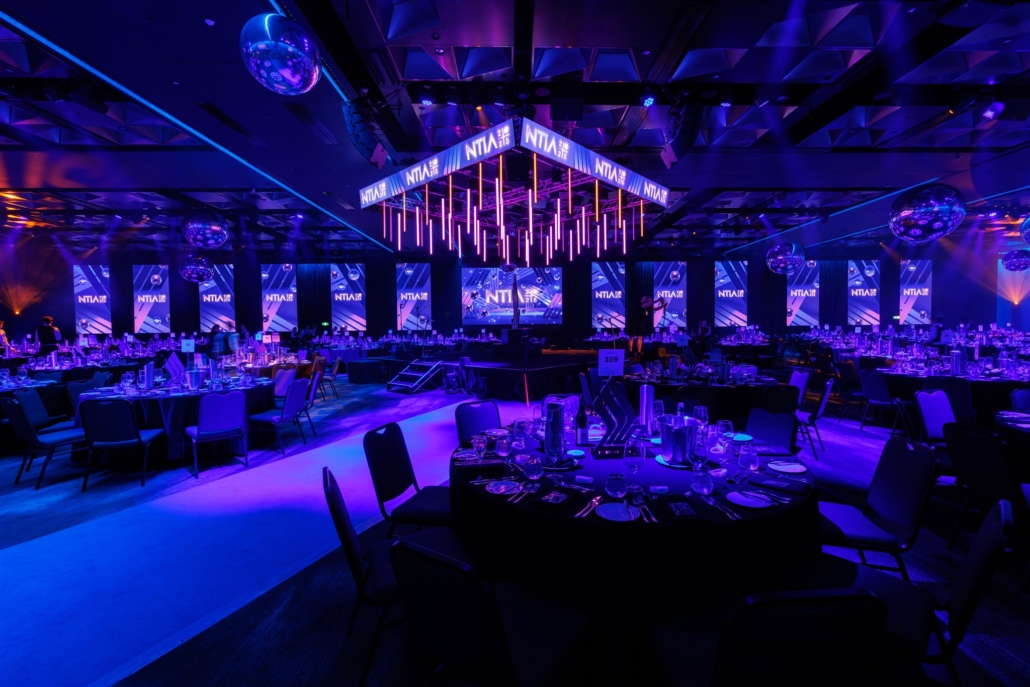
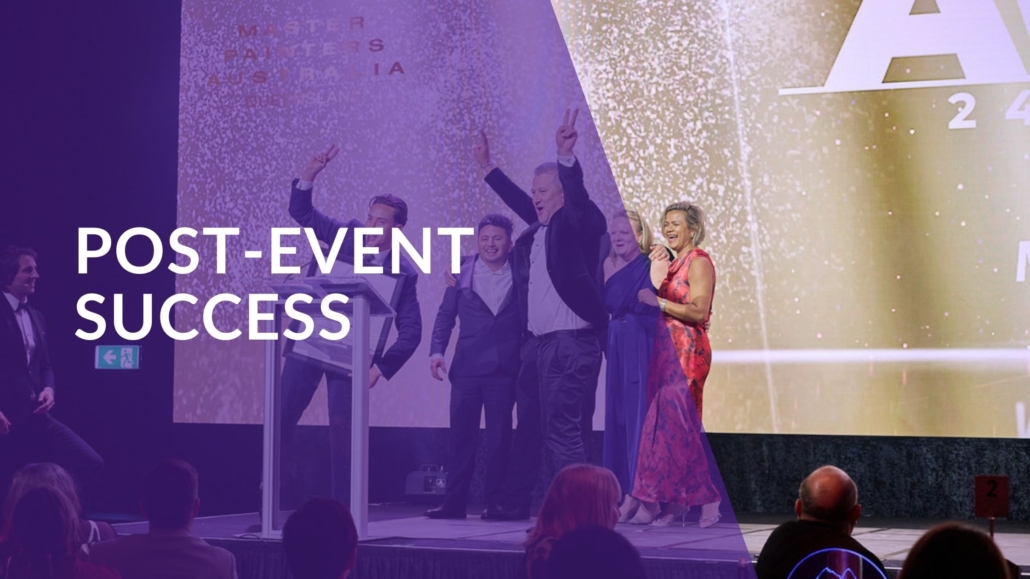
award winners accept their award at a gala event
Introduction

The end of an event marks the beginning of another crucial phase: post‑event engagement and analysis. Following up with attendees, measuring impact and continuing conversations can extend the lifespan of your event and increase return on investment. Here’s how to make your event successful long after the last session concludes.

1. Personalise follow‑up communications

Send a thank‑you message within 24–48 hours to show appreciation and keep your organisation top‑of‑mind. Include session recaps tailored to attendees’ interests, and suggest related resources or upcoming events based on their engagement. Personalisation demonstrates value and encourages further interaction.

2. Collect feedback and data promptly

Deploy surveys while the event experience is still fresh, focusing on concise, targeted questions about sessions, speakers and logistics. Offer incentives such as discount codes or exclusive content to encourage participation. Analyse feedback to identify strengths, pain points and areas for improvement. Tools like Cvent, SurveyMonkey or Eventify can simplify distribution and analysis.

3. Provide on‑demand content and resources

Share recordings of keynotes and workshops, along with slides, infographics and supplementary materials. Offering on‑demand content extends the value of your event, reinforces learning and encourages participants to revisit sessions. Make resources mobile‑friendly and easy to download.

4. Gamify and interact to sustain engagement

Use quizzes, challenges, leaderboards and interactive polls to transform passive attendees into active participants. Gamification adds fun and fosters community, motivating attendees to revisit content and interact with fellow participants. Surprise initiatives such as bonus webinars, exclusive virtual gatherings or personalised gifts can further delight attendees.

5. Drive social media and digital marketing activity

Encourage the use of your event hashtag and highlight user‑generated content across your channels. Share session highlights, video clips and testimonials, and invite attendees to post their insights. Targeted email campaigns and content hubs keep your audience connected with your brand. Track metrics such as website traffic, email clicks and social engagement to refine your strategies.

6. Offer networking and future opportunities

Facilitate ongoing networking through online forums, private social groups or targeted meetups. Provide exclusive offers or loyalty programmes to convert attendees into long‑term customers. Use post‑event analytics to segment your audience and personalise future invitations.

7. Conduct a comprehensive post‑event analysis

Analyse attendance, session engagement, social media activity, satisfaction scores and financial results to measure success. Use these insights to identify patterns, adjust marketing strategies and optimise logistics. Send surveys within 24–48 hours to ensure feedback is timely and accurate. Post‑event analysis is essential for continuous improvement and long‑term ROI.

Conclusion

Successful events don’t end when guests leave. By personalising follow‑ups, gathering feedback, providing on‑demand resources, gamifying engagement, leveraging social media, facilitating networking and conducting thorough analysis, you can extend the impact of your event and build stronger relationships with attendees. AVPartners’ Event Technology and Multimedia teams can assist with recording sessions, hosting content and analysing data to improve your next event.

Colour shapes experiences blog banner demonstrating the power of colour in events
When planning an event, many organisers focus on logistics and staging while overlooking one of the most powerful atmosphere-shaping tools available: colour. Research shows that colours influence mood, attention and behaviour, which means they act as silent storytellers throughout your event. The right colour palette reinforces your message, elevates guest experience and helps you create a space that feels exactly the way you intend.

This guide explores the psychology of colour and offers practical ideas for selecting palettes that support different event types. It also includes suggestions for visual assets and opportunities to link to AVPartners styling services.

Power of Colour in Events

Colour psychology studies how hues influence thoughts, emotions and behaviour. Findings show that warm colours such as red, orange and yellow often increase energy and optimism. Cool colours such as blue and green promote calm and reduce stress. Bright, saturated colours stimulate alertness, while soft pastels provide comfort and a sense of safety. Even neutrals carry meaning: black represents power and elegance, while white signals purity and simplicity.

Warm Colours: Energy and Interaction

Warm colours like red, orange and yellow tend to command attention. Research links these hues with excitement, optimism and heightened energy. Red can increase heart rate and create a sense of urgency, which makes it useful for drawing attention to focal points. Orange encourages social interaction and a feeling of enthusiasm. Yellow communicates warmth and happiness, although too much can feel overwhelming, so it is best used in moderation.

Warm tones work well for networking events, celebrations, launches and activations where you want guests to feel energetic and engaged. Event designers often use amber or red lighting washes, warm uplighting on architectural features or floral elements that carry warm accents. Pairing warm tones with neutral shades prevents visual fatigue.

Cool Colours: Calm and Professional

Cool colours such as blue, green and purple create a sense of calm and trust. Blue is widely associated with professionalism and stability. Green symbolises balance and renewal. Purple, which blends the grounded feel of blue with the energy of red, conveys creativity and luxury.

These colours suit conferences, awards dinners and formal galas. They help guests feel focused and relaxed while giving the event a polished, elegant tone. Designers frequently use cool colours through stage lighting, linens, floral arrangements or digital displays. A small amount of warm accent light, for example candlelight or soft tungsten fixtures, prevents the environment from feeling too clinical.

Visual idea: A wide shot of a gala dinner with soft blue and green uplighting to show how cool tones create a peaceful and professional atmosphere.

Dark and Neutral Colours: Sophistication and Contrast

Dark tones such as black, charcoal and deep navy evoke sophistication and authority. Event psychology studies emphasise that black communicates formality and elegance, which is why black-tie events feel luxurious. Too much darkness can feel heavy or somber, so designers often balance dark palettes with whites, metallic accents or warm highlights.

Dark themes work well for galas, awards nights and premium product launches. Lighting becomes especially important in these environments. Pin-spotting, textured projections, metallic décor and LED furniture create depth and prevent the space from feeling flat. Neutral colours such as beige and grey serve as grounding elements that tie bright and dark accents together.

Visual idea: A black-tie event with dark table settings contrasted against crisp white napkins and warm pin-spot lighting.

Bright and Vibrant Colours: Fun and Alertness

Bright, saturated colours like neon greens, hot pinks and electric blues communicate energy and excitement. Behavioural research shows these colours increase alertness and stimulate curiosity. They are ideal for celebrations, youth events or entertainment-focused evenings.

Use vibrant colours intentionally. Too many competing hues can feel chaotic. Accent lighting, LED installations and projection content that shifts with the music can create an immersive, high-energy experience without overwhelming the space.

Visual idea: A video clip of a dance floor with animated projections and changing neon lights.

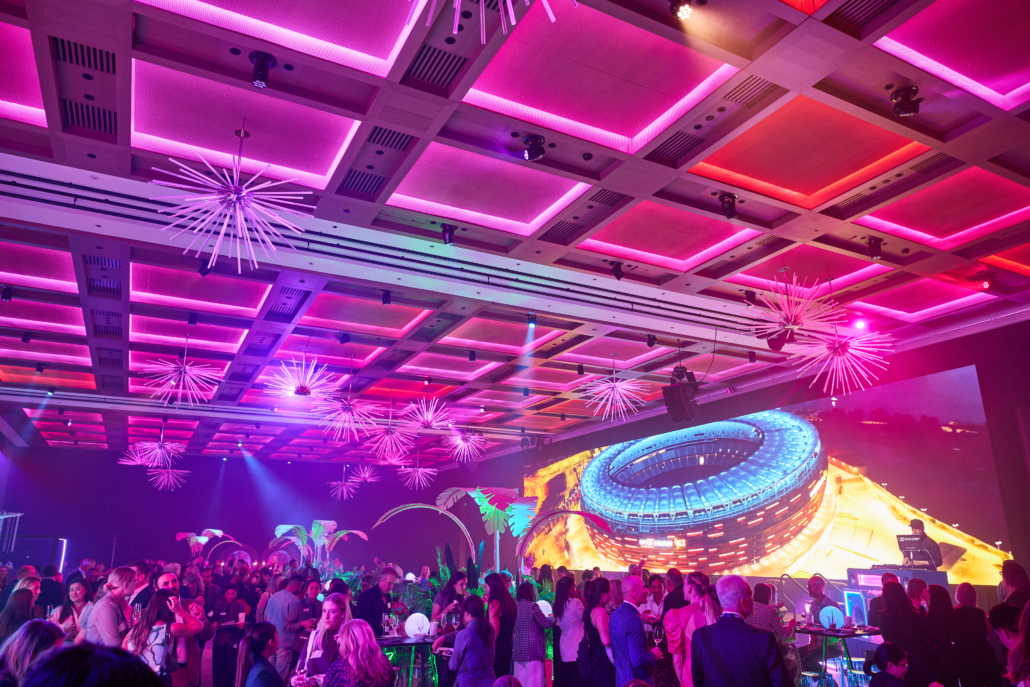
Room Styling for an awards night gala dinner

Cultural and Contextual Considerations

Colour meanings vary across cultures. Some studies show that black symbolises sadness in many regions, while red represents love and green conveys contentment. White may represent purity in some cultures but is associated with mourning in others. When planning for diverse audiences, it is important to consider cultural interpretations to avoid unintended messages.

Demographics also influence colour preferences. Research indicates that women often lean toward softer tints, while men frequently prefer bold primary hues. These tendencies should not dictate your entire palette, but they can help refine the overall aesthetic.

Bringing Colour to Life with Lighting and Décor

Colour is expressed not only through décor but also through lighting design. Lighting is one of the most effective tools for shaping atmosphere because colours can shift throughout the event. Dynamic uplighting, coloured wall washes, ceiling projections and LED accents allow you to transition the room from reception to dinner to dance floor in a matter of seconds. Projection mapping can completely transform the environment and immerse guests in your theme.

AVPartners offers complete event styling services that integrate lighting, décor and audiovisual design. Our team can create custom colour palettes and lighting schemes that reflect your brand and elevate your event. Learn more about our event theming and styling services or contact us to discuss your next event.

Conclusion

Colour plays a powerful role in shaping an event experience. Warm hues encourage energy and connection. Cool tones support focus and professionalism. Dark colours signal luxury. Bright colours generate excitement. By understanding the psychology behind colour and tailoring your palette to your goals, you can create events that feel cohesive, memorable and aligned with your message. If you are ready to elevate your next event through thoughtful colour design, our team would love to help bring your vision to life.

As major sponsors of Hamilton Island Race Week 2023, AVPartners provided more than just AV support. We delivered tailored event styling across the six-day regatta, which welcomed over 180 yachts and 2,000 sailors. Highlights included nautical-themed florals and rope décor at the qualia opening, vibrant beachfront lunches on Catseye Beach featuring Amy Shark, and an intimate dinner at Pebble Beach with fire pits, French linens, and live music. The Paspaley Lunch combined native greenery, wood textures, and high-energy entertainment with a DJ, percussionist, and saxophonist.

Getting engaged is an exciting moment! It’s a time filled with joy, love and celebrations. But once the celebrations subside and the dust settles, it’s time to get into serious planning mode. So how can you plan your dream wedding and keep the process as stress-free as possible? The team at Novotel Twin Waters Resort share their tips.

Establish a timeline

The first and most important thing you’ll want to put in place is a timeline for planning your wedding. Your timeline will establish the different stages of planning. It will dictate when you organise different components of the day so that it doesn’t come to the month before the wedding and you still have a tonne of things to plan. Here’s a rough timeline that can help you get started with your wedding prep.

10 – 12 months to go

In the initial stages of planning, you’ll want to establish your budget, pick a date, develop your guest list and lock in your venue. Once you have a venue and guest list in place, send your save the dates.

6 – 8 months to go

Now’s the time to think of a theme for your wedding. Think of the decor, lighting, colours and floral arrangements that you want for the big day. Once you have decided on the style you would like for your wedding, find your vendors and communicate any necessary information they might need for the day. Find a caterer, book your photographer and select the right audiovisual team to create the perfect style for your wedding.

4 – 6 months to go

At the 4 month mark, you’ll want to have your transportation organised. Pick your celebrant and figure out arrangements with them. Book your music and entertainment, appoint an MC, start organising your invitations and choose your attire for the day.

2 – 4 months to go

Send your invitations, decide on the decorations you would like and prepare the logistics of your ceremony.

1 -2 months to go

Organise your marriage license, confirm your final guest count, prepare speeches and toasts. If it’s a sit down dinner, consider organising a seating plan. Don’t forget to try on your wedding garment to make sure it fits!

1 week to go

Finalise all your transport, guest list and seating plan. Confirm the speaking arrangements with your MC and celebrant and finalise arrangements with your vendors. You should have everything organised by this stage, so it’ll be a matter of finalising all your arrangements and making sure everything is ready for the day.

On the day

Put a friend, family member or wedding planner in charge of keeping the day running smoothly so that you and your partner can spend it enjoying yourselves.

Looking for a stunning location to hold your wedding, with all your planning and styling taken care of? Check out Novotel Twin Waters Weddings & Events.

If you’re looking for an audiovisual team that can create the perfect experience for your wedding day, contact AVPartners today.

Professionals in neuroscience, interior design and advertising know very well the impact colours can have on our mood and how we experience things. Colours can excite, provoke action and can even encourage concentration. So how can event planners make the most of colour at their events?

While there isn’t one magic colour to use in events that will evoke a positive response from event attendees and make your event memorable, studies have shown that different colours can ignite different emotions in people. So depending on your event objectives, you might want to consider using certain colours to drive home your messaging.

Using colour in your event decor and lighting can influence the way your guests engage with your event and can create a memorable experience. Here’s how colour can make an impact on your event delegates:

Cool colours

Cool colours including blue, green and violet generally have a calming effect on people. Blue is a cool colour that is often used at corporate events. This is no coincidence. The colour blue relaxes people and studies have shown that it can help with focus and concentration. It can stimulate clear thought and put people at ease. Consider using the colour blue in your event decorations to create a calm atmosphere. You can also use blue lighting during event activities to improve guests’ attention spans and encourage concentration. The colour green can have a similar effect on our emotions. It is reminiscent of nature, and can therefore have a soothing effect on people.

Warm colours

Warm colours like red, orange and yellow create feelings of warmth and positivity. These colours remind us of warm weather and carry an energetic feeling with them. Red in particular has been proven to stimulate the mind and enhance our heart rates. It is a colour that can influence us to act. Consider using the colour red to communicate your event messaging throughout your event. It can be used in your event banners, in your decorations or on your screens.

Incorporating colour

Colour can be incorporated into your decorations, stage set and lighting. While the colours used in your design and decorations will be fixed throughout the duration of your event, you can use different coloured lighting throughout your event to enhance and complement any event styling. This helps to create different moods and experiences for your guests. Utilising different colours throughout your event can keep your guests engaged and entertained.

If you would like advice on incorporating colours into your next event, contact AVPartners today.

When planning an event, one of the first things you need to decide on is the event theme. A theme is the overarching idea or concept behind your event, that not only gives the event structure, but can inspire guests and reinforce your event message and key takeaways.

Stuck for theme ideas? Some event themes we have coordinated include: a wild west theme, roaring 20s, the 80s, the 90s, pop star, masquerade, acrobatic and circus theme, Spanish, French, chocolate fantasy, black and gold, global cuisine, the Olympics, and a jungle theme.

Whatever event theme you choose – make sure you fully commit! This means being consistent with the theme throughout all event touch points, such as the invitations, programs, marketing, decor, dress code, food, entertainment, and music.

While you don’t have to have a theme at your event, we find it aids in creating a seamless event experience for both planners and guests. Also, once it’s decided on, it helps to steer all of your planning decisions. But never fear, an event theme can be as detailed or bare as you like; sometimes simply utilising a lighting colour combination to evoke the right emotion is enough to make your mark on guests.

Here are our tips when it comes to deciding on your event theme:

Know your event objective

Make sure you’re clear on why you’re holding this event, and why people will attend. What message do you want to impart on your guests? What will be the key ‘takeaway’ from your event, will they learn something, support something, be rewarded for something or simply have a great time?

A clear event outcome and intention is crucial for an effective theme to be developed.

Know the nature of your event

A gala dinner aimed at fundraising will require a different theme to a Christmas party. The nature of your event and how it fits in with your business or brand will help determine the direction to go in with your theme. That’s not to say you can’t have fun with your theme if it’s a formal event! Just that you need to be aware of it and tweak ideas where necessary.

Know your audience

It sounds obvious, but just like determining the nature of your event, you need to figure out who will be in attendance and what they might want or expect from this event, and plan accordingly. If it’s an event where children will be in attendance then you can steer clear of the more risqué themes, or if the event is attempting to showcase your professionalism to potential clients you can cancel the clowns. It’s all about what is appropriate to your audience, while still being on point for your event message.

Know your venue

If you can align your theme with your venue, your event will have that extra special aspect of being seamless. You can do this by either having a theme in mind and choosing a venue which can accommodate it, or you can choose your venue and then your theme to suit it.

Know your audiovisual provider

Many venues, such as the ones AVPartners is partnered with, can offer you the expertise of in-house audiovisual (AV) technicians to bring your theme to life. Hiring an in-house AV team can be a great benefit, as in-house teams know their venues well, can offer you a wealth of knowledge and experience, and tailor audio, lighting and vision options to suit your event and theme.

Know your event colours

Whether you incorporate colour into your overall theme or the colour IS your theme, you’ll want to ensure that you’re choosing the right colours for your event objective, feel and message. To find out more about colours, read our post on how colours can create atmosphere at your event.

Contact us today to discuss your event theme ideas further!

We love sharing our tips and ideas when it comes to event planning, and we realised we have a lot of great blog posts that can help.

Take a look at some of our favourite topics that will help you plan your next event:

Choosing a venue

One of the most important aspects when planning an event is where the event will be held. The venue for an event can mean the difference between a successful event, and a mediocre one. Luckily, we have some experience working with awesome venues! Here are our tips for choosing the right venue for your event.

Event styling

Styling an event can be the most exciting part of event planning! This is where you get to choose the look and feel of your event. It’s an important part of the event planning process as it lays the foundation for how guests will experience the event.

Event styling incorporates furniture, decor, colour, centrepieces and table layouts, props, audiovisual and digital elements. It takes your guests on a journey, showcasing your theme, your branding and your ideas.

Budgeting

To effectively plan an event within your budget, consider the benefits of technology. Technology has an important role to play in event planning, and can be used in a variety of ways to help plan, organise, and execute an event while remaining within your event budget.

Social media

When social media is incorporated into an event, it can be hugely impactful and influential, generating immeasurable event awareness before, during and well beyond the event.

There are a number of different ways to incorporate social media into your event; such as using social media to promote your event and having a social media wall at your event to drive engagement.

Catering

Food has a special place at all events; it brings people together in a fun and engaging way, and will give your guests a culinary experience to remember. Stuck on what type of catering is right for your event style and budget? Check out these popular catering types.

The event message

There’s no point holding an event that gives out the wrong or unintended message to guests. Make sure you can effectively communicate your event message loud and clear.

Interested in finding out more about any of these topics or want to get started planning your next event with us? Contact us today!

Business dinners are a great way to combine relaxed fun and entertainment with professionalism and networking. They offer guests a chance to mingle, catch up, and learn more about each other in a more casual environment than the office or board meeting scene.  

A business dinner might be planned to celebrate milestones; to thank and recognise clients, customers or staff; to introduce new products, services, or ideas; or simply to continue with long-standing traditions. They offer guests a chance to let their hair down while also cementing your brand identity in their minds.

Some things to keep in mind when planning a business dinner to impress include:

Venue

First things first – a great venue will delight your guests as soon as they arrive. Perhaps the venue is in a gorgeous location, is modern, sleek or awe-inspiring. Ensure your guests enter your business dinner with a smile on their face.

Entertainment

For a business dinner, an engaging or classy choice of entertainment is best, such as a presentation by a motivational speaker, or a smooth and slow band to set the mood.

Catering

Impressive food doesn’t need to be oysters or caviar. Your chosen venue may offer dining specialties that can give your dinner a point of difference. Often, the most impressive options involve presenting tried and true favourites in new ways.

AV and styling

Advances in audiovisual technology mean there are endless ways to inspire guests at a business dinner. From lighting up the tables in your brand colours, to projecting your logo onto the walls – there are no shortage of ways to thrill. Add this to themed styling and decor, and your guests will be talking about this dinner for weeks to come!

Contact us today to start planning your next business dinner!